

Maddy summaryThis resolution expresses support for designating July 2026 as "American Grown Flower and Foliage Month" to highlight the domestic flower industry. It recognizes the economic value of U.S. growers who provide jobs and support local businesses while encouraging consumers to buy locally produced flowers. The bill aims to raise awareness about the availability of domestically grown floral products and urges the public to showcase these items to support American agriculture.
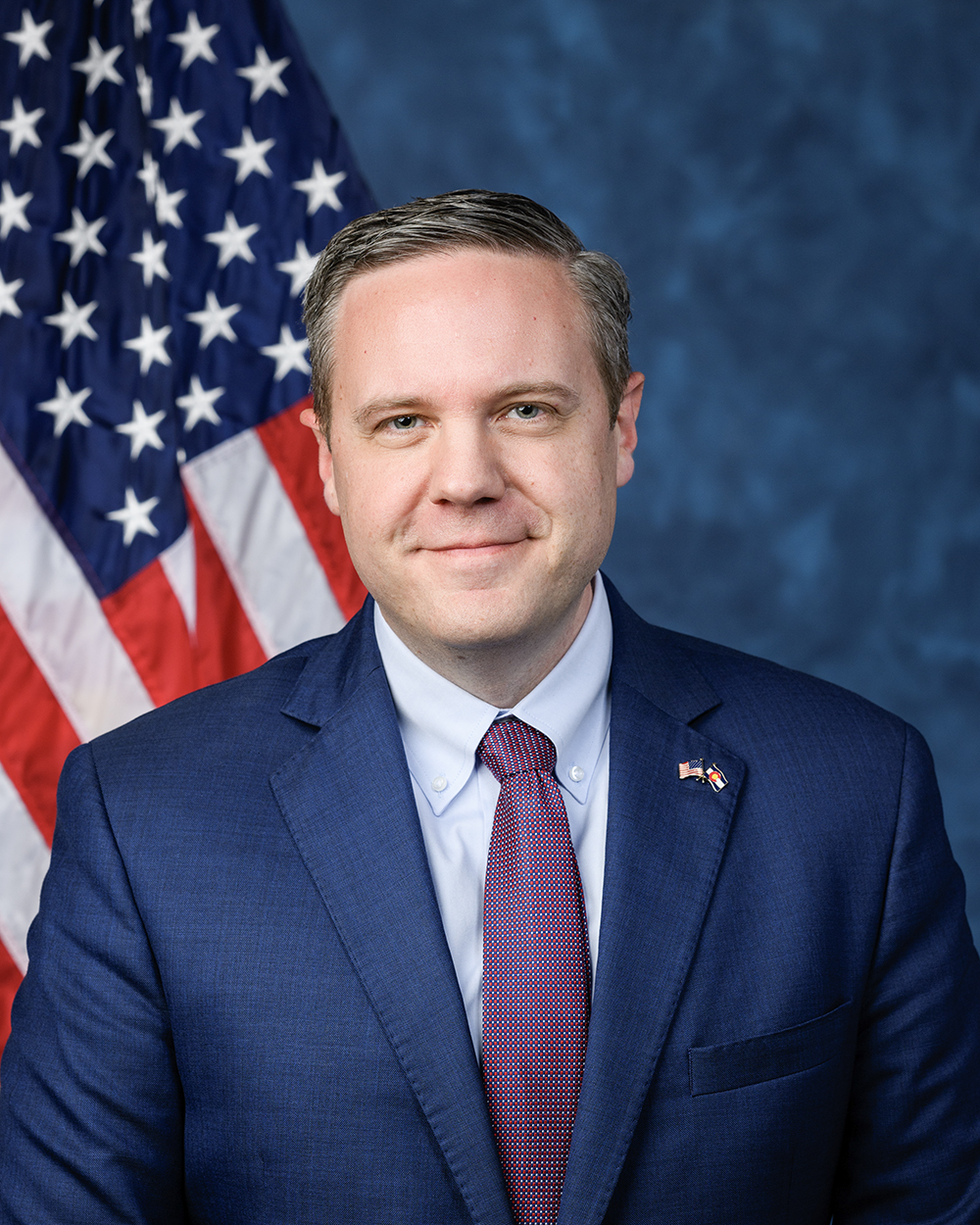
Rep. Jeff Hurd
Sponsored bills
Maddy summaryThis bill reauthorizes and expands the Accelerating Access to Critical Therapies for ALS Act through 2031, extending funding for research into treatments for amyotrophic lateral sclerosis. It requires drug manufacturers to share interim clinical trial data with the FDA to better assess the progress of investigational drugs and clarifies that phase 3 clinical trial definitions include combined phase 2/3 trials and planned trials not yet enrolling participants. The legislation also mandates the FDA to publish an updated five-year action plan for ALS and other rare neurodegenerative diseases, including resource needs and coordination strategies with broader disease communities. Additionally, the bill requires the Government Accountability Office to submit a report on the program's implementation four years after enactment.
Maddy summaryThis resolution honors the memory of four wildland firefighters - Emily Barker, Nick Hutcherson, Sydney Watson, and Nicholas Dale - who died while battling wildfires in 2026. It expresses sympathy to their families and acknowledges the bravery of injured colleagues and all personnel who risk their lives to protect communities and natural resources. The measure formally recognizes the critical role of firefighters, aviation crews, and support staff in suppressing dangerous fires across the United States.
Maddy summaryThe Tuskegee Airmen Memorial Act of 2026 authorizes the organization Tuskegee Airmen, Inc. to build a commemorative monument on federal land in Washington, D.C., honoring the original Tuskegee Airmen who served in World War II. This legislation allows the group to accept private donations and cover all costs for the project without using federal funds, while requiring any leftover money to be deposited into specific government accounts. The bill also mandates that the memorial be constructed in compliance with existing federal standards for commemorative works.
Maddy summaryThe Glenwood Hot Springs Protection Act prevents the expansion of the Mid-Continent Limestone Quarry on specific Bureau of Land Management land in Garfield County, Colorado. This legislation directly affects the Secretary of the Interior by prohibiting the approval of any new applications to enlarge existing mineral operations or sell limestone in the designated area. By blocking these specific development projects, the bill aims to preserve the surrounding land without advocating for or against the quarry's current operations. The measure focuses solely on stopping future growth rather than altering existing mining activities.
Maddy summaryThis bill directs the U.S. Geological Survey to launch a program using advanced quantum technology to map critical minerals on Federal lands. The initiative requires the agency to conduct mobile surveys in specific western regions, comparing new quantum data with existing records to improve how well they detect mineral deposits. Survey results will be shared publicly and with mining companies to encourage private investment, while state geological surveys will be consulted throughout the process. Additionally, the bill mandates that the Secretary of the Interior submit a detailed report to Congress within two years, outlining the survey findings, cost comparisons, and recommendations for future scaling.
Maddy summaryThis bill amends the FAST Act to adjust funding limits for federal permitting improvement programs. It directly affects agencies and projects that rely on these specific funding allocations under the existing law. The key provision replaces a $200 million funding cap with a $50 million cap in two sections of the FAST Act. These changes take effect on January 1, 2027, or upon enactment, whichever occurs later.
Protecting Privacy in Purchases Act This bill prohibits payment card networks from using merchant codes that distinguish firearms retailers from general-merchandise retailers or sporting-goods retailers. The Department of Justice must enforce this bill and report annually on the resulting investigations and cases.
Maddy summaryHR 3194, the LOCOMOTIVES Act, prevents states from setting their own emissions standards for locomotives used in interstate commerce. It amends the Clean Air Act to clarify that federal emissions rules exclusively apply to locomotives providing common carrier railroad transportation for hire (like commercial freight or passenger services across state lines), excluding these from state regulation. This directly affects railroads operating interstate services and state environmental agencies that previously could establish stricter local rules for such locomotives. The bill does not change the actual emissions requirements but shifts regulatory authority solely to the federal government for this specific category of locomotives.
Maddy summaryThe Healthy Mothers, Healthy Babies Act of 2026 directs U.S. foreign assistance toward reducing preventable deaths among mothers and children in priority countries by 2030. A central provision of the bill is the scaling up of multiple micronutrient supplement prenatal vitamins, which the legislation identifies as a highly cost-effective intervention to improve birth outcomes and reduce anemia. To implement this, the relevant foreign assistance agency must select specific countries based on malnutrition rates and vulnerability, then submit annual reports to Congress detailing progress, funding allocations, and coordination with other health programs. The act authorizes up to $150 million annually from 2026 through 2030 to support these initiatives and requires the development of a comprehensive five-year strategy with specific targets for increasing coverage of life-saving health interventions.