

Maddy summaryThe Recreation Permitting Improvement Act amends the FAST Act to explicitly include "recreation" as a covered sector for federal permitting improvements. This change directly affects projects related to recreational activities that currently fall under federal jurisdiction. By adding this specific category, the bill ensures that recreational developments receive the same streamlined permitting processes as other sectors previously listed. The legislation does not alter the underlying rules but rather clarifies the scope of projects eligible for these improvements.
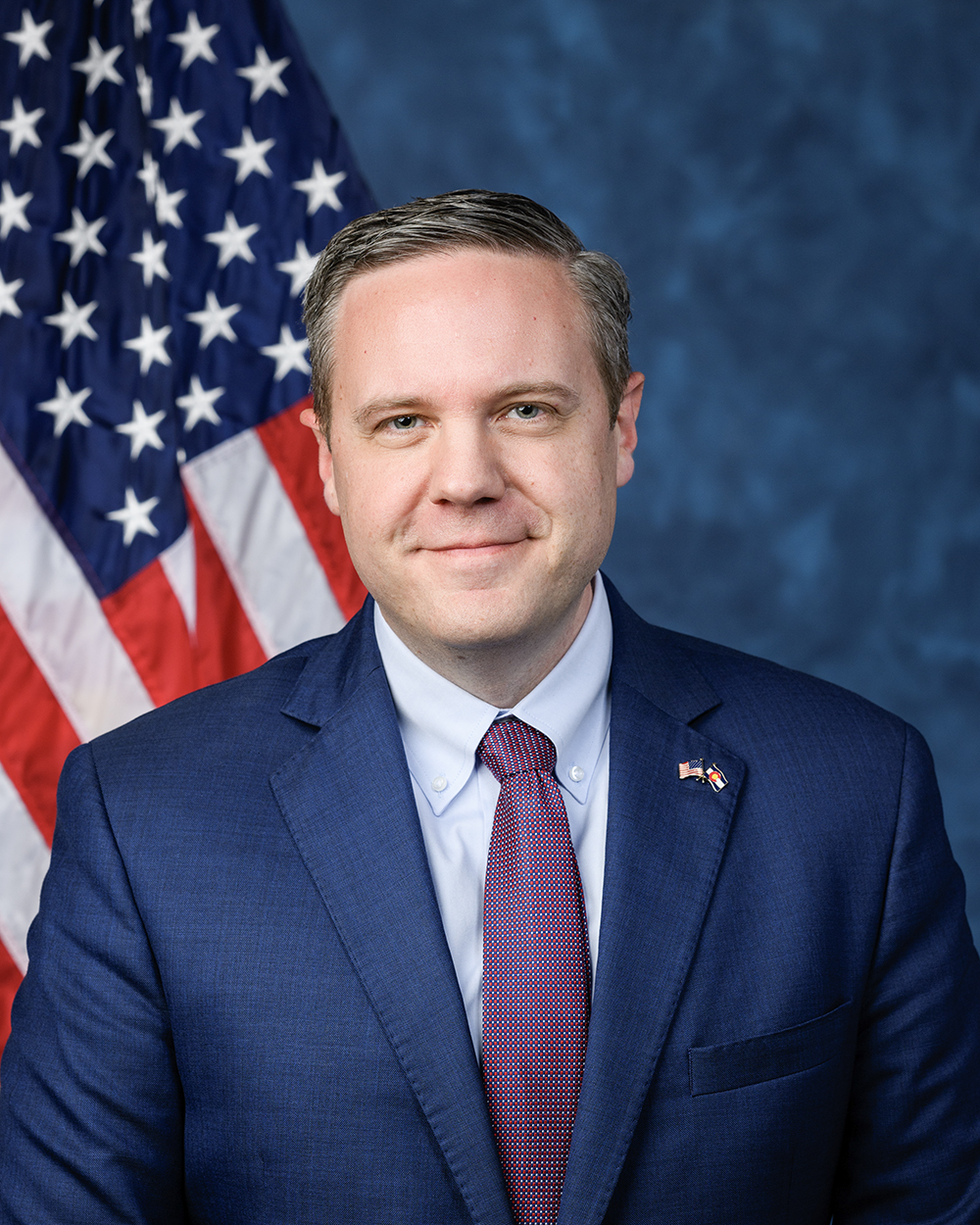
Rep. Jeff Hurd
Sponsored bills
Maddy summaryHR 4398, the Veteran Burial Timeliness and Death Certificate Accountability Act, requires Veterans Affairs (VA) physicians or nurse practitioners to certify the death of a veteran who dies of natural causes within 48 hours of learning of the death. This directly affects veterans' families, who previously faced delays of up to eight weeks in burial and access to survivor benefits due to slow death certifications. The bill mandates annual reports to Congress on VA compliance with the 48-hour rule, including statistics on delays and their causes. The key change is establishing a strict timeline for death certification to prevent unnecessary delays in honoring veterans' final arrangements.
Maddy summaryHR 3300 amends a permit requirement under the Federal Water Pollution Control Act to exempt certain aerial fire suppression applications from needing a permit. It specifically allows the use of fire control products listed on the Forest Service's current Qualified Products List without a permit during wildfire operations. This directly affects wildland firefighters and federal agencies like the Forest Service when deploying approved suppression materials. The change streamlines access to critical firefighting tools during emergencies by removing a specific regulatory barrier.
Maddy summaryThis bill authorizes Congress to award a Congressional Gold Medal to individuals who fought for or with the United States in the Pacific theater during World War II and subsequently became prisoners of war. The legislation specifically recognizes the service and sacrifice of those who defended locations such as Bataan and Corregidor, including Filipino soldiers and civilians who served alongside U.S. forces. To implement this award, the Speaker of the House and the President pro tempore of the Senate will arrange for the creation of a gold medal by the Secretary of the Treasury, which will be presented to the Smithsonian Institution for display. The act also allows for the production of duplicate bronze medals to cover the costs of the original gold medals, with any proceeds from these sales deposited into the United States Mint Public Enterprise Fund.
Maddy summaryThe AI Flaw Reporting and Security Enhancement Act directs the National Institute of Standards and Technology to create a voluntary program for reporting artificial intelligence flaws to improve system safety and security. This initiative involves collaborating with industry, academia, and other groups to establish clear definitions for AI errors, develop technical standards for managing these issues, and build a national database to track reported flaws. The bill also sets guidelines for how organizations should disclose vulnerabilities and requires NIST to submit a progress report to Congress within three years of the law's enactment.
Maddy summaryThis bill redesignates the existing National Parks and Public Land Legacy Restoration Fund as the America's Legacy Restoration Fund to address deferred maintenance on federal lands. It directs revenue from recreation fees and a portion of energy development income into the fund, which must be used primarily for repairing critical infrastructure like roads, trails, and buildings managed by agencies such as the National Park Service and the Forest Service. The legislation establishes strict rules requiring that most funds go toward non-transportation projects, mandates transparency through public dashboards tracking project status, and sets aside a small percentage for matching private donations. Additionally, the bill increases entrance fees for foreign visitors to ensure they contribute to the fund, while prohibiting the use of these specific funds for land acquisition or employee bonuses.
Maddy summaryThe SPIRIT Act creates a new tax credit for small distilleries that use at least 90% of their ingredients from domestic sources. To qualify for a $2.35 reduction per proof gallon in their taxes, a distiller must produce no more than 100,000 proof gallons annually and ensure their production is primarily based on U.S.-harvested materials. The law also includes a recapture provision that requires distilleries to pay back the credit if they are found to be ineligible after receiving it. These financial incentives are designed to support smaller producers who rely on American agricultural ingredients, and the changes will take effect for spirits produced after December 31, 2025.
Maddy summaryThe Hydropower Licensing Affordability Act amends the Federal Power Act to modify how federal licenses for hydropower projects are issued. Specifically, it requires that license conditions include measures to reasonably mitigate direct adverse effects on federal reservations and fish populations within applicable river systems. These changes aim to ensure that new or existing hydropower projects address environmental impacts on protected lands and aquatic species before a license is granted. The bill directly affects hydropower project developers and federal agencies responsible for licensing and environmental oversight.
Repealing Big Brother Overreach Act This bill repeals the Corporate Transparency Act. The act requires existing companies and newly created companies to report beneficial ownership information to the Department of the Treasury’s Financial Crimes Enforcement Network for purposes of addressing the financing of terrorism and money laundering.
Maddy summaryThis bill, known as the Stopping Harmful and Outrageous Torts Act, expands legal protections for firearm manufacturers and sellers by strengthening their immunity from civil lawsuits. It requires courts to immediately dismiss any pending cases against these companies that are based on the criminal or unlawful misuse of a gun by a third party, while also clarifying that sellers are not liable for negligence in entrusting products to others. The legislation further restricts who can file such suits by prohibiting foreign governments from bringing these claims and adding a specific exception for victims under the age of 17, though it maintains immunity for cases involving design or manufacturing defects. Additionally, the bill allows companies to move these cases to federal court and grants them the right to appeal dismissal orders immediately, along with the ability to recover legal fees if they win. Finally, it preempts state and local laws that attempt to impose liability on these entities for the same types of misuse-related harms.