

Maddy summaryThe Reproductive Coercion Prevention and Protection Act of 2025 defines reproductive coercion as controlling a person's reproductive choices through force, threats, sabotage of contraception, or pressure to become pregnant or terminate a pregnancy. It creates a federal civil right of action, allowing victims to sue in court for damages if the coercion involved interstate activities - such as travel across state lines, interstate communication (e.g., email or phone), or payments. The bill does not override state laws or court jurisdictions, preserving existing state definitions of domestic violence and reproductive coercion. It specifically targets cases where abusers sabotage mail-order birth control or force victims to travel for reproductive health care, addressing gaps in current protections.
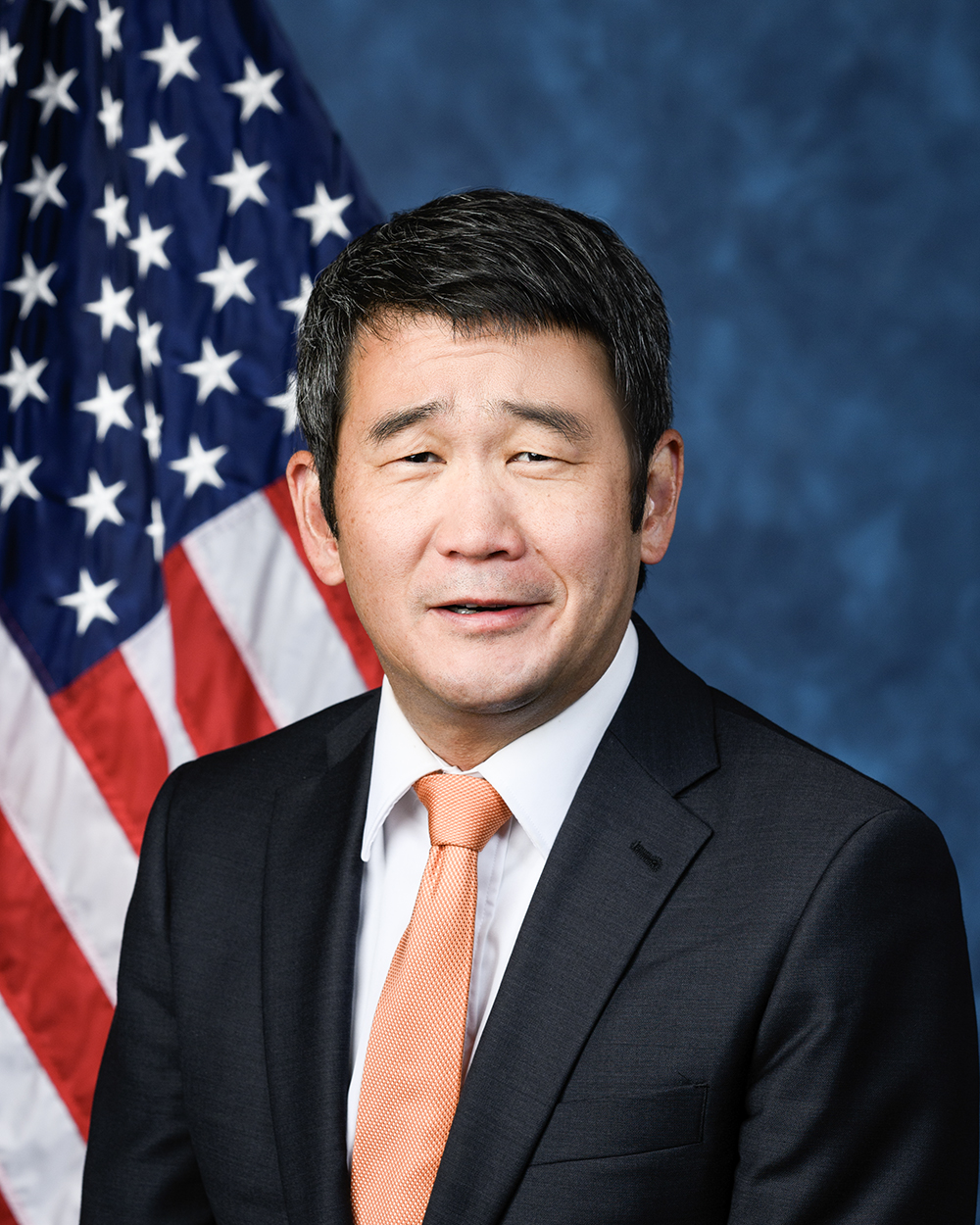
Rep. Dave Min
Sponsored bills
Maddy summaryHR 6840, the ARMENIA Security Partnership Act, requires the U.S. Secretary of Defense to annually certify whether Azerbaijan has met specific conditions related to Armenia, including withdrawing forces from Armenian territory, releasing prisoners, ending hostilities, and recognizing Armenian rights in Nagorno-Karabakh. If certification fails, the bill mandates an immediate review of U.S. security assistance to Armenia to assess gaps in Armenia’s defense capabilities and identify needed support. The review must evaluate historical U.S. security aid, threats to Armenia, and recommend steps to strengthen Armenia’s self-defense. It also blocks the use of a specific waiver (under the FREEDOM Support Act) that could bypass security aid restrictions if certification is not met. The bill directly affects U.S. security assistance decisions for Armenia based on Azerbaijan’s compliance with these conditions.
Maddy summaryHR 6751 would repeal the 2001 Authorization for Use of Military Force (AUMF), a law passed after the September 11 attacks that has been used to justify military operations for over two decades. The bill states Congress finds the AUMF has been interpreted too broadly, conflicting with the Constitution's requirement that only Congress can declare war. It would formally end this legal authority 240 days after the bill becomes law, directly affecting future military actions authorized under the 2001 AUMF. The key provision is the repeal itself, removing the legal basis for ongoing military operations that rely on this specific 2001 law.
Maddy summaryThis bill amends a section of federal law to change the reference from "the White House" to "the People's White House" in a specific legal citation (Section 307104 of Title 54, U.S. Code). It is a purely procedural change to the text of the law, not a substantive policy shift. The bill does not alter historic preservation standards, protections, or funding for the White House grounds. It simply updates the formal name used within the legal code.
Maddy summaryThe Protect America's Workforce Act cancels an executive order issued on March 27, 2025, that excluded certain groups from federal labor-management relations programs, making it legally unenforceable. It also ensures that all collective bargaining agreements between federal agencies and labor unions, which were active as of March 26, 2025, remain fully effective until their agreed terms expire. This directly affects federal agencies, labor unions, and the employees covered by these agreements. The bill prevents federal funds from being used to implement the canceled executive order while preserving existing labor agreements.
Maddy summaryHR 6670 creates a new nonimmigrant visa category ("family purpose visas") allowing relatives of U.S. citizens or lawful permanent residents to visit temporarily for family events. It requires applicants to provide proof of financial support, short-term medical insurance covering U.S. travel, and a sworn statement to depart within 90 days per calendar year. The bill restricts petitioners from previously sponsoring relatives who overstayed their visas, and explicitly states that these visits do not count toward permanent residency eligibility. This directly affects extended family members (including grandparents, siblings, and nieces/nephews) seeking short-term U.S. visits for social or major life events.
Maddy summaryThe BASIC Act prohibits certain non-regular government employees (called "special Government employees") from receiving or arranging for federal contracts, grants, or other awards exceeding $1 million annually if they or their family, household, or affiliated organizations would benefit. Exceptions apply to employees serving only on advisory committees, holding GS-10 or lower positions, or working in student-specific roles. The bill requires agencies to update regulations to enforce this ban, mandates public disclosure of financial reports for affected employees (with exceptions), and creates a searchable online database tracking these employees' service details. These changes aim to prevent conflicts of interest in federal contracting.
Maddy summaryHR 6259, the "No Fentanyl on Social Media Act," requires the Federal Trade Commission (FTC) to produce a detailed report within one year of enactment. The report must examine how minors access fentanyl (including pressed pills) through social media platforms, covering sellers' methods, health risks, platform design impacts, and current measures by platforms, law enforcement, and medical professionals. It specifically asks for recommendations to reduce this access and mandates consultation with stakeholders like parents and medical experts. The bill does not ban fentanyl sales or create new penalties; it solely focuses on gathering information to inform future policy.
Maddy summaryThis bill increases federal student loan limits for graduate and professional students. Starting July 1, 2026, it sets a $50,000 annual limit and a $200,000 total aggregate limit (beyond undergraduate borrowing) for unsubsidized Federal Direct Stafford loans. These changes directly affect graduate and professional students pursuing advanced degrees who rely on federal loans for education costs. The provisions aim to provide higher borrowing capacity for these students' educational expenses under the Higher Education Act.
Maddy summaryThe Expanding Cybersecurity Workforce Act of 2025 establishes a new program under CISA to promote cybersecurity careers to underrepresented groups, including racial and ethnic minorities, veterans, formerly incarcerated individuals, people with disabilities, older adults (40+), and those from low-income or nontraditional educational backgrounds (like community colleges or HBCUs). The program requires CISA to tailor outreach to regional needs, partner with schools, unions, and community organizations, and report annually on workforce impact. It authorizes $20 million annually for fiscal years 2026-2031 to support these efforts, aiming to diversify the cybersecurity workforce through targeted recruitment and training.