

Maddy summaryThis resolution (HRES 985) expresses the House of Representatives' opposition to declawing cats for cosmetic or convenience reasons, not for medical necessity. It defines "declawing" broadly to include any procedure that disables a cat’s claws (such as surgical removal or tendon cutting), emphasizing that these practices cause long-term pain and behavioral issues. The resolution specifically supports banning elective declawing while allowing medically necessary procedures to address existing health conditions. It urges states without such bans to consider legislation, citing widespread support from veterinary organizations and existing bans in 7 U.S. states and numerous municipalities.
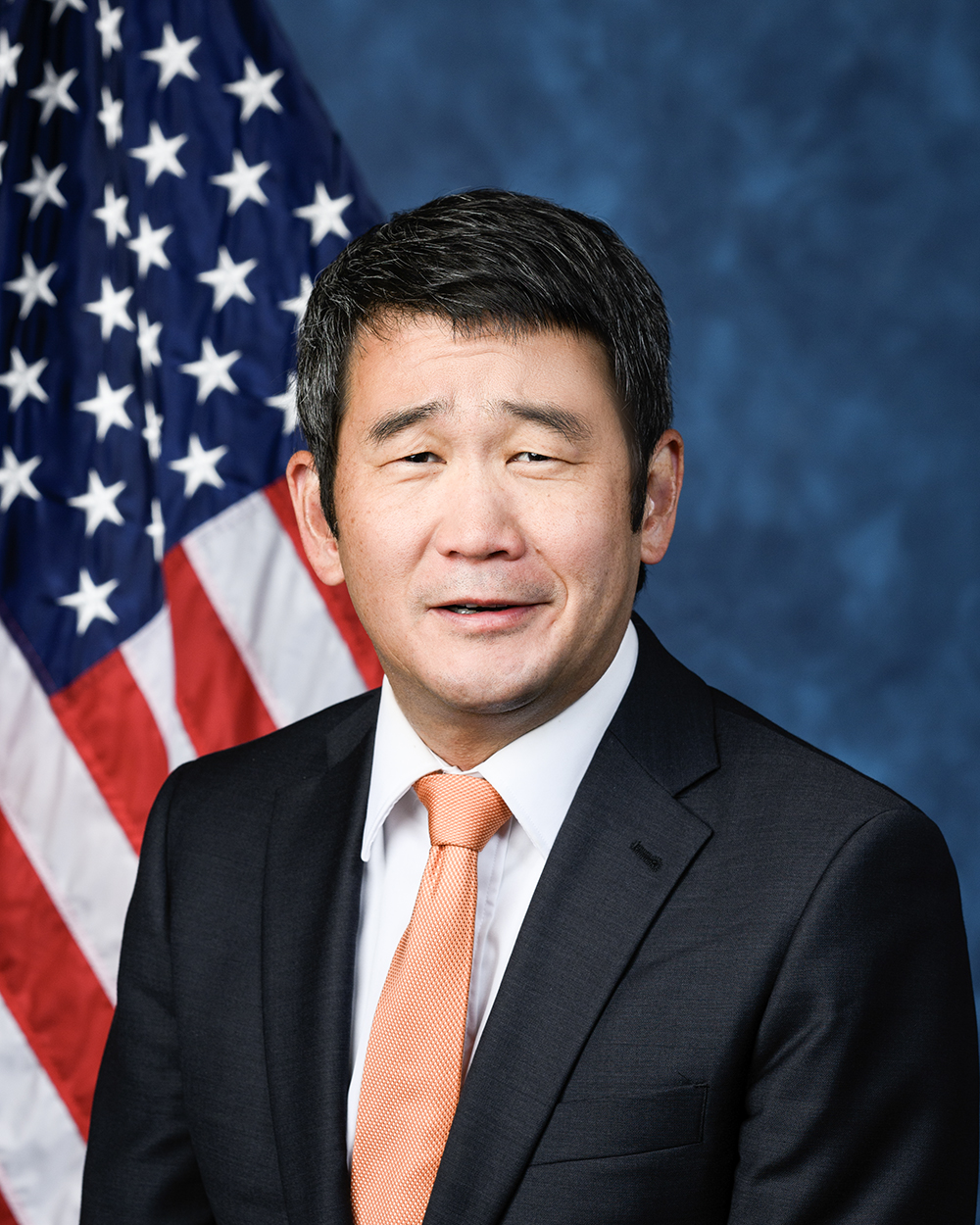
Rep. Dave Min
Sponsored bills
Maddy summaryThis bill prohibits U.S. federal funds from being used to support Venezuela's oil and petroleum sector, including financing infrastructure projects, purchasing property, providing insurance, making payments to companies, or government advocacy. It directly affects all federal agencies and programs that manage taxpayer money, preventing them from funding any aspect of Venezuela's oil industry. The bill requires the Secretary of State to submit annual reports to specific congressional committees detailing any related activities and confirming compliance. These provisions aim to restrict U.S. financial involvement in Venezuela's oil sector using clear, non-ambiguous language.
Maddy summaryHR 6088, the *Restoring Food Security for American Families and Farmers Act of 2025*, repeals specific sections (10101-10108) from a prior reconciliation law. This action revives previous provisions related to food security programs that were modified by those repealed sections. The bill directly affects federal food assistance and agricultural support programs by restoring their prior legal framework. It does not create new policies but reverses recent changes to existing food security measures.
Maddy summaryHR 909, the Crime Victims Fund Stabilization Act of 2025, modifies how funds from the False Claims Act are deposited into the Crime Victims Fund. It specifies that from 2025 through 2029, certain False Claims Act proceeds (specifically those for qui tam plaintiff payments and government damage reimbursements) cannot be deposited into the fund. This change directly affects the composition of the Crime Victims Fund by excluding these specific revenue streams during the specified period. The bill does not create new benefits or alter victim services; it only adjusts fund allocation rules for existing False Claims Act revenues.
Maddy summaryHR 7016, the "No Funds for NATO Invasion Act," blocks federal funding for any U.S. military invasion of a North Atlantic Treaty Organization (NATO) member country or territory covered by NATO's Article 5 mutual defense clause. The bill prohibits using any federal funds for such invasions and bans U.S. officials from executing these actions. It directly affects U.S. military operations and funding decisions involving NATO members. The law applies to all federal spending, preventing the use of existing budgets for this specific purpose.
Maddy summaryThis concurrent resolution (HCONRES 69) commemorates the 15th anniversary of the January 8, 2011, Tucson shooting that killed six people and injured 13, including former Congresswoman Gabby Giffords. It honors the victims, survivors, and Giffords - now a prominent advocate for gun violence prevention - and recognizes her leadership in promoting civility and reducing gun violence. The resolution also commends Tucson residents and first responders for their resilience and reaffirms Congress’s commitment to respectful dialogue and opposing political violence. As a ceremonial resolution, it does not create new laws or policies.
Maddy summaryThis resolution (HRES 980) commemorates the one-year anniversary of the 2025 Southern California wildfires, which impacted communities like Pacific Palisades and Altadena. It honors the 31 people who lost their lives, commends first responders who fought the fires, and affirms the House's ongoing support for affected communities. The resolution is purely ceremonial and does not create new laws, allocate funds, or change existing policies. It directly affects the Southern California communities devastated by the wildfires and their residents.
Maddy summaryHR 4611 (EACH Act of 2025) requires all federally funded health programs - including Medicaid, Medicare, military health plans, and the Indian Health Service - to cover abortion services without restrictions, repealing the Hyde Amendment's long-standing ban on federal funding for most abortions. This directly affects millions of people enrolled in these programs, particularly low-income women, women of color (including 25% of Black women and 22% of Hispanic women on Medicaid), and young people. The bill mandates coverage in all federally administered health plans and prohibits state or private insurers from restricting abortion coverage in health insurance. It aims to eliminate current federal and state barriers that deny abortion access to people who rely on government health programs.
Maddy summaryHRES 966 is a ceremonial resolution passed by the U.S. House of Representatives to formally recognize California State Senator Monique Limón's historic appointment as the first Latina and first mother to serve as Senate President Pro Tempore. The resolution highlights her background as a first-generation college graduate, former educator, and long-time state legislator representing districts in Santa Barbara. It does not create new laws or policy changes; instead, it serves as a formal acknowledgment of her leadership and service to California. The resolution was submitted for her upcoming swearing-in on January 5, 2026.
Maddy summaryThis bill provides tax relief to individuals affected by qualifying disasters. It allows taxpayers to use their previous year's earned income to calculate tax credits like the Earned Income Tax Credit if their 2025 income was reduced by a disaster. The bill temporarily removes limits on charitable contributions for disaster relief, permits penalty-free withdrawals up to $100,000 from retirement plans, and adjusts rules for claiming personal casualty losses related to disasters. These provisions apply to individuals whose principal homes were in designated disaster areas during specific periods. The bill aims to help disaster survivors recover financially by easing tax burdens related to their losses.