

Maddy summaryThis bill, known as the DROUGHT Act of 2026, increases the maximum federal funding level for certain water infrastructure projects from the standard cap to 90 percent of project costs. It directly affects states and counties experiencing severe drought conditions, as well as projects serving low-income communities or those designated as regionally or nationally significant. The legislation defines covered projects as those located in areas with severe drought designations or declared drought emergencies, those serving low-income populations, or those that improve water supply, reuse, or reduce water usage. The bill requires federal officials to prioritize financing for these specific projects under the Water Infrastructure Finance and Innovation Act of 2014.
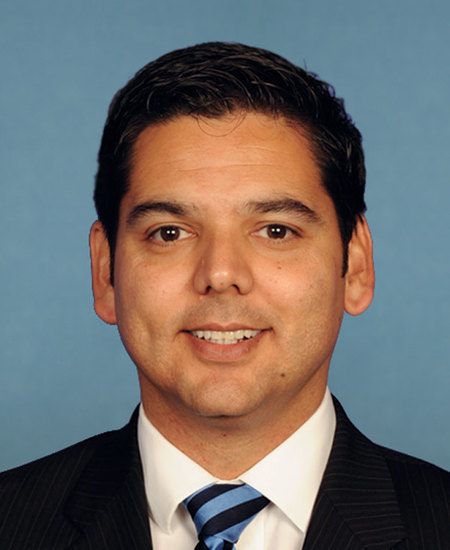
Rep. Raul Ruiz
Sponsored bills
Maddy summaryHRES 1107 is a House resolution urging the President to issue a proclamation flying the U.S. flag at half-staff to honor Rev. Jesse Jackson. The resolution recognizes his civil rights leadership, including founding the Rainbow PUSH Coalition and his presidential campaigns in 1984 and 1988, which advanced racial equality and economic justice. This symbolic gesture directly affects the President (as the one who would issue the proclamation) and the public, who would observe the flag at half-staff.
Maddy summaryThis bill increases the annual stipend for books, supplies, and educational materials under the Post-9/11 GI Bill from $1,000 to $1,400, effective immediately. It also establishes a new automatic annual adjustment starting in fiscal year 2026, tying stipend increases to inflation using the Consumer Price Index (CPI). Specifically, the stipend will rise each year by the percentage difference between the current CPI and the previous year’s CPI. This directly affects veterans using the Post-9/11 Educational Assistance Program for their education expenses.
Maddy summaryHR 7543, the Plastic Pellet Free Waters Act, prohibits plastic pellets and pre-production plastic materials from being discharged into waterways through wastewater, spills, or runoff from specific facilities. It directly affects plastic manufacturing, molding, packaging, and transportation facilities regulated under existing environmental rules. Within 60 days of enactment, the EPA must issue a rule banning these discharges and update all relevant wastewater, stormwater, and performance standards in permits. The law requires all permits and standards for these facilities to reflect the new ban, ensuring plastic pellets cannot enter water systems. This is a concrete regulatory change to prevent plastic pollution at its source.
Maddy summaryThis bill requires most employers to provide workers with earned paid sick leave. Employees would earn 1 hour of paid sick time for every 30 hours worked, up to 56 hours per year, which can be used for their own illness, medical care, caring for family members (including children, parents, spouses, domestic partners, or other family-like relationships), or addressing domestic violence, sexual assault, or stalking situations. The bill prohibits employers from retaliating against workers who use this leave and requires employers to inform employees about their rights. It ensures that workers who leave and return to the same employer within a year can reinstate their unused sick leave. This law would not override more generous state or local paid leave policies.
Maddy summaryHR 4304, the FAIR Bet Act, amends the tax code to allow gamblers to deduct 100% of their wagering losses instead of the current 90% limit. This change directly affects individuals who report gambling losses on their federal income tax returns. The key provision modifies Section 165(d) of the Internal Revenue Code to remove the 90% restriction on deducting gambling losses. The bill does not alter how gambling winnings are taxed, only the deduction available for losses.
Maddy summaryHR 7473 (CMMSA 2.0) increases the tax credit for battery manufacturing from 10% to 25% for electrode materials used in battery production. It adds new requirements that battery components cannot contain critical minerals extracted, processed, or recycled after 2026 by foreign entities deemed a security threat. The bill also expands what qualifies as "electrode active materials" to include precursor materials (like lithium hydroxide) and solid state electrolytes. Finally, it extends the phaseout period for certain critical mineral credits until 2041, instead of 2030. This directly affects battery manufacturers seeking tax credits for domestic production.
Maddy summaryThe Patient Debt Relief Act (HR 7478) requires Medicare-participating hospitals to implement new financial assistance and debt collection standards starting January 1, 2028. It prohibits hospitals from garnishing wages, placing home liens, or selling medical debt to collectors without offering income-based repayment plans (capping payments at 4% of monthly income) and providing clear eligibility information with bills. Hospitals failing to comply face civil penalties up to $1 million per violation, with annual audits and a public portal for patients to report noncompliance. The bill also creates a $100 million grant program to discharge medical debt for individuals meeting income thresholds (5% of income or household income ≤400% of poverty line). These changes directly affect hospitals and patients burdened by medical debt, aiming to standardize fair collection practices.
Maddy summaryThis bill imposes a hiring freeze on U.S. Immigration and Customs Enforcement (ICE), prohibiting the use of federal funds to hire new employees or transfer existing federal workers to ICE. The freeze begins upon the bill's enactment and automatically ends when Congress passes a specific law overriding it. It directly affects ICE's staffing capabilities by halting new appointments and transfers using federal funding. The measure is procedural, focusing solely on restricting hiring authority without altering immigration enforcement policies.
Maddy summaryHR 7391, the Community Health Center Drug Pricing Protection Act, requires that Federally Qualified Health Centers (FQHCs) pay the discounted 340B ceiling price for covered drugs **at the time of purchase**, not later through rebates or adjustments. This directly affects FQHCs, which rely on 340B discounts to provide affordable care to low-income patients. The bill amends the Public Health Service Act to prohibit manufacturers from entering agreements where FQHCs initially pay more than the ceiling price, with later reimbursement. It takes effect immediately upon enactment for all new drug purchases and applies to existing agreements starting then.