

Maddy summaryThe YALI Act of 2025 establishes the Young African Leaders Initiative (YALI) to support emerging leaders in sub-Saharan Africa aged 18-35, focusing on business, civic engagement, and public administration. It creates at least four regional leadership centers in Africa for training, expands the Mandela Washington Fellowship (for 25-35-year-olds with demonstrated leadership), and requires annual reports on program outcomes. The bill mandates partnerships with private sector entities to fund networking, entrepreneurship, and leadership development, while requiring the State Department to submit implementation plans within 180 days of enactment. The program expires five years after enactment, with reports assessing its impact on U.S.-Africa relations, including trade, governance, and youth empowerment.
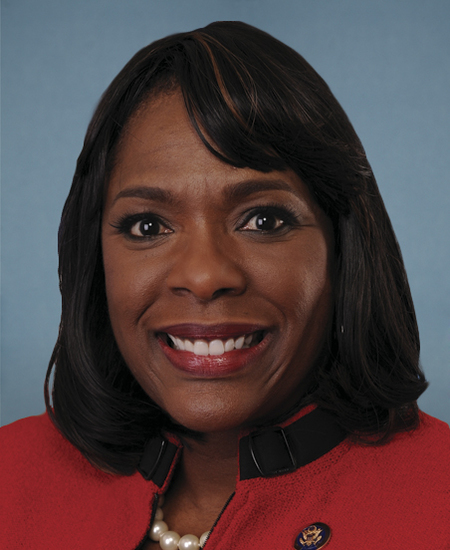
Rep. Terri A. Sewell
Sponsored bills
Maddy summaryThis bill would amend federal law to strengthen penalties for organized retail crime by expanding definitions of theft to include digital goods, gift cards, and setting a $5,000 aggregate value threshold for charges over a 12-month period. It would establish a new "Organized Retail and Supply Chain Crime Coordination Center" under Homeland Security to coordinate Federal, State, local, and Tribal law enforcement efforts against cross-jurisdictional theft groups. The Center would share information with retailers, transportation companies, and law enforcement agencies, track crime trends, and produce annual reports on organized retail crime. This legislation directly affects retailers, supply chain businesses, and law enforcement agencies, while targeting organized crime groups responsible for a 93% increase in larceny incidents and rising safety concerns for retail employees. The bill aims to address significant financial losses and supply chain disruptions noted in the National Retail Federation's 2023 data.
Maddy summaryThe Pregnant Women in Custody Act establishes new federal standards to protect the health and rights of pregnant women held in Bureau of Prisons facilities, immigration detention centers, and refugee shelters. It mandates comprehensive medical care, including mandatory pregnancy testing, access to contraception, and specialized dietary and housing accommodations tailored to pregnancy needs. A central provision prohibits the use of restrictive housing and physical restraints during pregnancy, labor, and the postpartum recovery period, with limited exceptions only for immediate safety threats. The legislation also requires facilities to provide nursery programs allowing mothers and infants to remain together, offers education on parental rights, and mandates regular reporting on health outcomes and the use of restrictive measures.
Maddy summaryThis resolution asks the President to provide the House of Representatives with specific documents regarding how personally identifiable information from the Social Security Administration was accessed and used. The request focuses on records concerning the Numerical Identification System, death data, and other private details allegedly copied by an individual working for the Department of Government Efficiency onto personal devices. Additionally, the bill seeks information about any attempts to share this data with a private employer and any statements made about expecting a presidential pardon for such actions. If the President does not comply within 14 days, the matter may be referred to the House Ways and Means Committee for further review.
Maddy summaryThe Save America's Family Forests Act of 2026 provides tax incentives to encourage landowners to replant forests damaged by natural disasters. It increases the standard tax deduction for routine reforestation projects from $10,000 to $30,000 per property and adjusts these amounts annually for inflation. Additionally, the bill allows a special deduction of up to $1 million for expenses related to replanting trees destroyed by federally declared disasters, with specific rules to prevent double-dipping with other tax benefits. These financial benefits are designed to help taxpayers recover costs and promote forest regeneration without changing the underlying laws governing disaster relief or timber management.
Maddy summaryThe Veterinary Education Equity Act amends the National Agricultural Research, Extension, and Teaching Policy Act to include 1890 Institutions in a veterinary services grant program. Under this change, the Secretary of Agriculture must give higher priority to grant projects submitted by these historically Black colleges and universities. The bill directly affects 1890 Institutions by increasing their chances of receiving federal funding for veterinary education and research initiatives.
Maddy summaryThe Rural Health Resilience Act of 2026 creates a new program to provide loans and loan guarantees to struggling health facilities in rural areas to prevent them from closing or cutting essential services. This assistance is available to various types of rural hospitals, clinics, and behavioral health centers that demonstrate financial distress through metrics like low operating margins or insufficient cash reserves. The funds can be used for facility repairs, covering operational costs such as payroll and supplies, paying down debt, or bridging gaps in insurance reimbursements. Additionally, the program prioritizes support for sole community providers and areas with high poverty rates, and requires the Secretary of Agriculture to report on the program's outcomes to Congress within 18 months.
Maddy summaryThe Save SNAP Act of 2026 modifies how federal funding is allocated to states for the Supplemental Nutrition Assistance Program. It creates a hardship exception that allows the federal government to cover the full cost of food benefits for any state that cannot pay its required share due to financial difficulties. This change ensures that states facing unexpected budget shortfalls will not be forced to reduce or delay SNAP benefits for their residents. The new provisions take effect on October 1, 2026.
Maddy summaryThe HARVEST Act directs the Secretary of Agriculture to conduct a study by September 30, 2026, on how to better support 1890 Institutions in providing technical assistance for transferring agricultural land and assets. This initiative specifically aims to help the next generation of farmers and ranchers navigate issues related to heirs property, which is defined as land held jointly by relatives where title was acquired from a family member. The report will explore ways these educational institutions can improve their programs to facilitate the succession of farms and ranches to future generations.
Maddy summaryThe Hazard Pay for Health Care Heroes Act establishes a grant program to provide financial compensation and safety resources to essential health care workers during declared emergencies or disasters. This legislation directly affects medical providers, support staff, and other frontline workers whose jobs cannot be performed remotely, such as orderlies and janitors in health care settings. Under the bill, eligible facilities can receive federal funds to pay workers an additional hourly rate of up to $13 for hazardous duties, with a yearly cap of $25,000 per employee, while also allowing funds for protective equipment and alternative transportation. The program is triggered by various federal or state emergency declarations and authorizes the necessary funding to implement these hazard pay measures.