Issue · Education

Education

Every education bill, vote, and legislator stance in Texas, automatically classified by Maddy, our AI policy reader.

Total bills
240
119th Congress
Top supporter
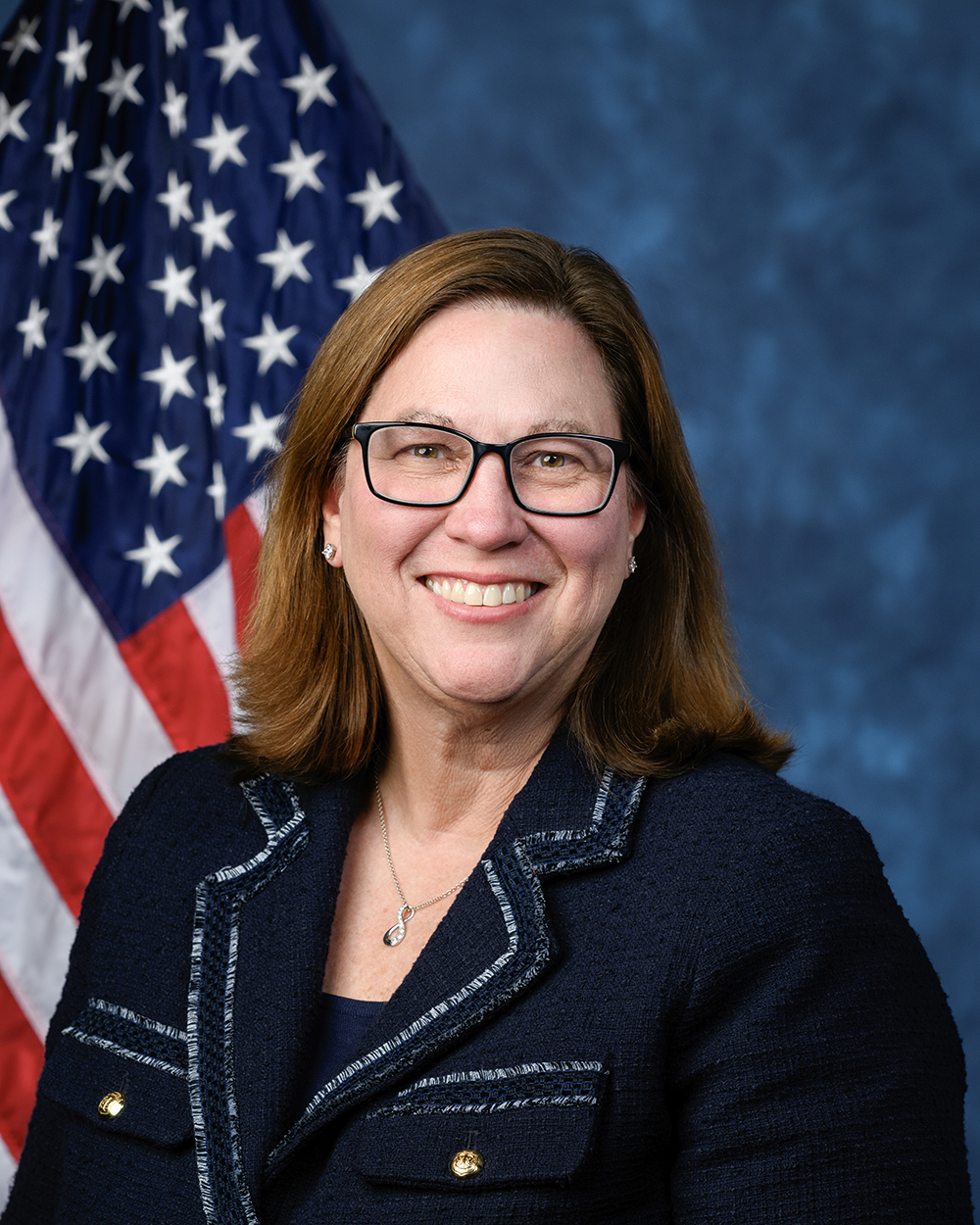
Julie Johnson
86% support rate
Top opponent
Wesley Hunt
14% support rate
Ranked legislators
10
5 support · 5 oppose
Key legislators

Who's moving education in Texas

Legislators moving education in Texas
Legislator Party Stance Support rate Votes
Julie Johnson
Julie Johnson House · District 32
D
Strong +
86% 128
Christian D. Menefee
Christian D. Menefee House · District 18
D
Strong +
80% 67
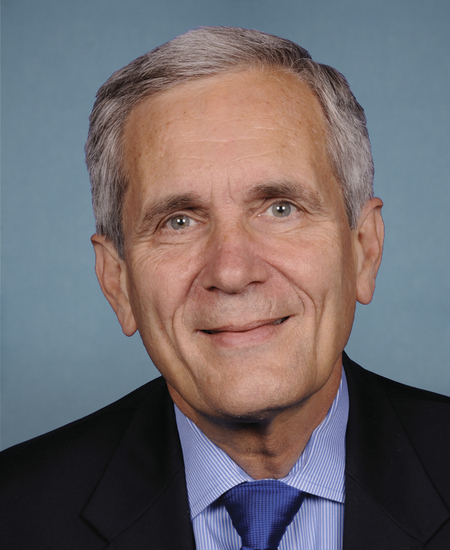
Lloyd Doggett
Lloyd Doggett House · District 37
D
Support
78% 130
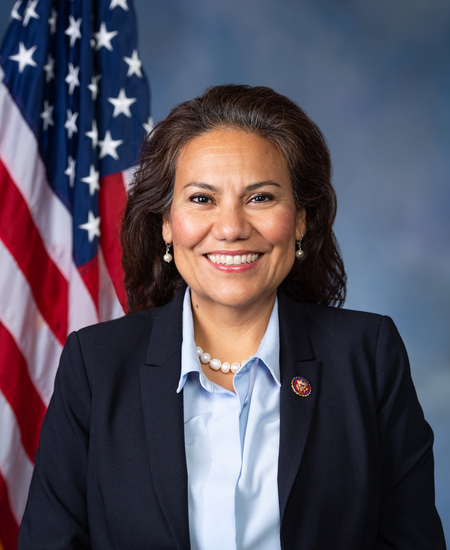
Veronica Escobar
Veronica Escobar House · District 16
D
Support
78% 130
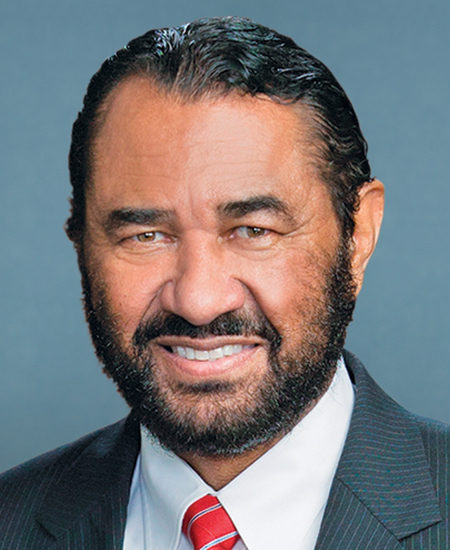
Al Green
Al Green House · District 9
D
Support
78% 130
Wesley Hunt
Wesley Hunt House · District 38
R
Strong −
14% 109
Chip Roy
Chip Roy House · District 21
R
Strong −
17% 126
Keith Self
Keith Self House · District 3
R
Oppose
22% 127
Lance Gooden
Lance Gooden House · District 5
R
Oppose
22% 131
Ronny Jackson
Ronny Jackson House · District 13
R
Oppose
22% 125
Showing 1–10 of 240 bills

All education bills

in committee · United States · House Sep 3, 2026

HR 10251: Back-to-School Supplies Affordability Act

The Back-to-School Supplies Affordability Act would prevent new tariffs from being applied to specific school supplies and educational materials, effectively freezing their import duties at levels recorded on January 19, 2025. This measure directly affects students, families, teachers, schools, and local governments by aiming to keep the cost of items like notebooks, backpacks, pencils, and keyboards stable. The bill designates certain products for duty exemption based on specific trade classifications or through regulations issued by the Secretary of Commerce in coordination with the Secretary of Education. Additionally, it requires the Secretary of Commerce to report every 180 days to congressional committees on which items are exempt, while allowing Congress to disapprove specific item designations through a joint resolution.
in committee · United States · House Sep 3, 2026

HR 10277: Access to School Supplies Act of 2026

The Access to School Supplies Act of 2026 establishes a five-year pilot program that provides competitive grants to up to ten local school districts serving high-poverty schools. These funds are intended to help districts purchase books, supplies, and other materials for students and instructional staff at no cost. The legislation authorizes $100 million annually from fiscal years 2027 through 2031 and requires recipients to submit annual reports detailing how the money was spent and which schools benefited. A small portion of the total funding is reserved for outlying areas and Bureau of Indian Education schools, while the program sunsets on September 30, 2031.
in committee · United States · House Aug 27, 2026

HR 10178: SHIELD Act

The SHIELD Act would prohibit local school districts that receive federal education funds from allowing organizations that provide abortions to distribute information about those services to students on school grounds or through the district's virtual platforms. This ban specifically covers sharing or reposting such materials on social media on behalf of outside abortion providers. The bill defines "abortion-related service" as any medical, surgical, or support care directly related to terminating a pregnancy.
in committee · United States · Senate Jul 30, 2026

S 5202: Protecting Our Kids from Harmful Research Act

The Protecting Our Kids from Harmful Research Act prohibits the use of federal funds to support research or publications regarding gender transition for individuals under the age of 18. This restriction specifically targets studies that aim to affirm a minor's perception or identity when it differs from their sex assigned at birth, as defined by their reproductive biology and genetics. The bill directly affects federal agencies and institutions that might otherwise receive funding to conduct such observational studies on hormonal treatments or surgical procedures for minors. By limiting financial support, the legislation seeks to prevent government resources from being used for research that challenges the biological definition of sex at birth.
in committee · United States · House Jul 23, 2026

HR 9824: Daycare Not Detentions Act of 2026

The Daycare Not Detentions Act of 2026 provides additional funding to the Department of Health and Human Services to support child care programs, including the Child Care and Development Block Grant, Head Start, and preschool development grants. These funds are intended to help states and organizations cover necessary expenses for these programs through fiscal year 2029. The bill also rescinds $70 billion in previously allocated money for U.S. Customs and Border Protection and U.S. Immigration and Customs Enforcement that has not yet been spent. Overall, the legislation redirects federal resources toward early childhood education and care rather than immigration enforcement activities.
in committee · United States · Senate Jul 23, 2026

S 5110: Improving America's Literacy Act

The Improving America's Literacy Act amends the Elementary and Secondary Education Act to provide grants to states that implement specific reading instruction methods. These funds are restricted to programs that use evidence-based strategies focusing on phonics and other core literacy skills while explicitly prohibiting the use of the "three-cueing model," an approach that relies on context and pictures for word recognition. The bill also requires states receiving these grants to undergo annual reviews of student outcomes and mandates that school improvement funds be directed only to districts utilizing approved literacy activities. Additionally, the legislation directs the Institute of Education Sciences to conduct research on effective literacy strategies and submit findings to Congress within five years. Finally, the act includes a provision ensuring that these new requirements do not limit protections for students with disabilities or allow the federal government to dictate specific local curriculum content.
Sub-Topics Curriculum
in committee · United States · House Jul 16, 2026

HR 9742: English Language Proficiency Act

The English Language Proficiency Act removes specific exceptions that currently allow certain immigrants to bypass the naturalization requirement of understanding U.S. history, government, and English language skills. By amending the Immigration and Nationality Act, the bill eliminates these exemptions, meaning more applicants must now demonstrate proficiency in these areas to become citizens. This change directly impacts immigrants who previously qualified for waivers based on factors such as age, education, or length of residence in the United States. The legislation aims to standardize the naturalization process by ensuring a consistent set of requirements for all applicants seeking citizenship.
in committee · United States · House Jul 20, 2026

HRES 1442: Supporting the designation of July 20, 2026, as "National Moon Landing Day".

This resolution supports designating July 20, 2026, as "National Moon Landing Day" to honor the historic Apollo 11 mission and the ongoing Artemis program. The bill encourages Americans to celebrate the achievements of NASA astronauts, engineers, and scientists while honoring those who lost their lives during space exploration efforts. It also aims to inspire young people to pursue careers in STEM fields and promote public awareness of the economic and scientific benefits of human spaceflight.
in committee · United States · House Jul 22, 2026

HR 9853: Right to Learn Act of 2026

The Right to Learn Act of 2026 creates a grant program to help schools and community organizations support students and staff affected by immigration enforcement actions. Funds awarded by the Department of Education can be used to hire trauma-informed counselors, provide emergency assistance like food and legal referrals, and train educators on culturally responsive care. The bill strictly prohibits schools from collecting or sharing personal data about a student's immigration status and forbids denying services based on that status. Eligible recipients include public schools, early childhood programs, universities, and legal service providers, with a total funding authorization of $250 million over five years.
Sub-Topics Enforcement
in committee · United States · House Jul 20, 2026

HR 9794: To direct the Secretary of Defense to establish the Senator Robert J. Dole Greatest Generation Education Program.

This bill directs the Secretary of Defense to create the Senator Robert J. Dole Greatest Generation Education Program, which aims to increase public awareness of World War II history and its lessons. The program will operate by providing grants to state and local governments and nonprofit organizations to fund educational events that honor veterans, highlight the home front's contributions, and teach patriotism to young people. Recipients must use the funds for new initiatives rather than existing secondary school curricula, and the Department of Defense retains exclusive rights to the program's name and symbols.
Sub-Topics K-12 Education
Showing 1 to 10 of 240 bills
1 2 3 24 Next