

Issue · Transportation
Transportation
Every transportation bill, vote, and legislator stance in Tennessee, automatically classified by Maddy, our AI policy reader.
Total bills
92
119th Congress
Top supporter
Matt Van Epps
86% support rate
Top opponent
Marsha Blackburn
22% support rate
Ranked legislators
9
5 support · 4 oppose
Key legislators
Who's moving transportation in Tennessee
| Legislator | Party | Stance | Support rate | Votes |
|---|---|---|---|---|
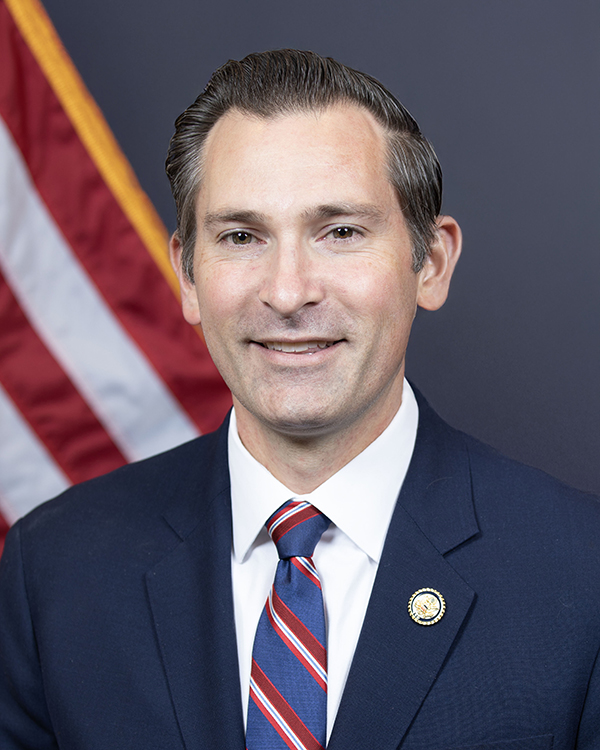
Matt Van Epps
House · District 7
|
R |
Strong +
|
86% | 67 |
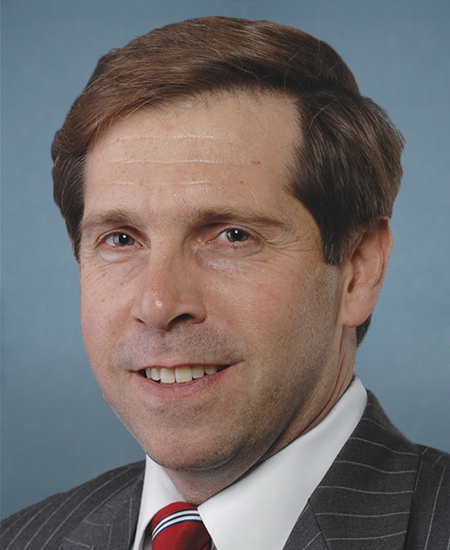
Charles J. "Chuck" Fleischmann
House · District 3
|
R |
Support
|
60% | 122 |
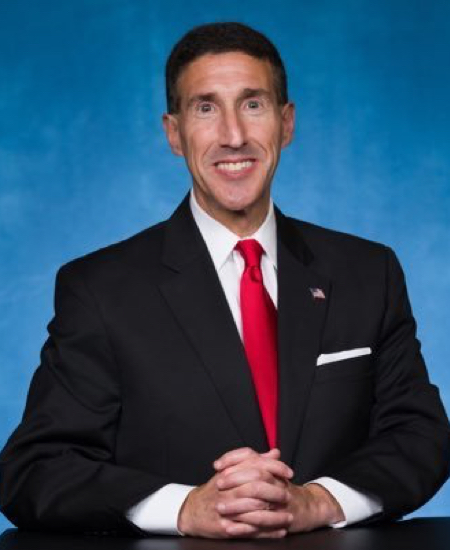
David Kustoff
House · District 8
|
R |
Support
|
60% | 122 |
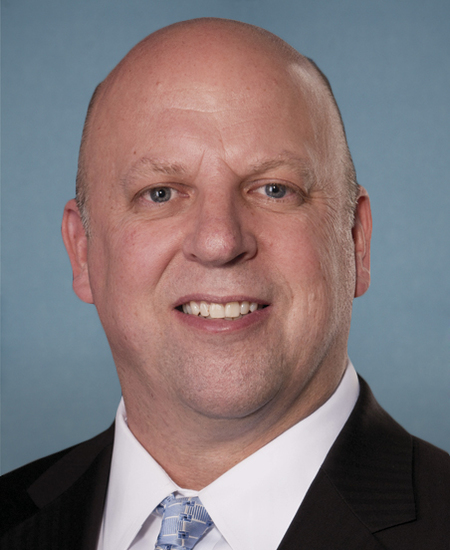
Scott DesJarlais
House · District 4
|
R |
Mixed
|
53% | 119 |

Diana Harshbarger
House · District 1
|
R |
Mixed
|
53% | 122 |

Marsha Blackburn
Senate
|
R |
Oppose
|
22% | 128 |
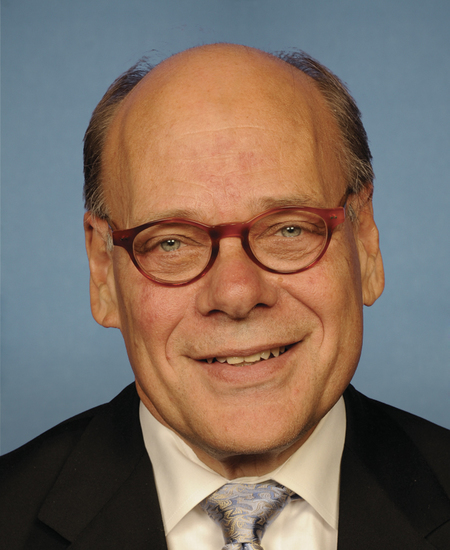
Steve Cohen
House · District 9
|
D |
Oppose
|
25% | 115 |
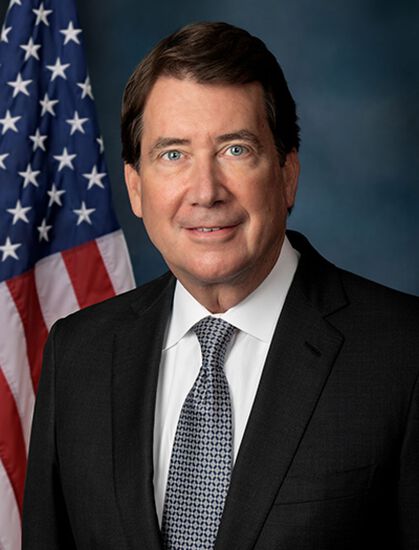
Bill Hagerty
Senate
|
R |
Oppose
|
33% | 150 |
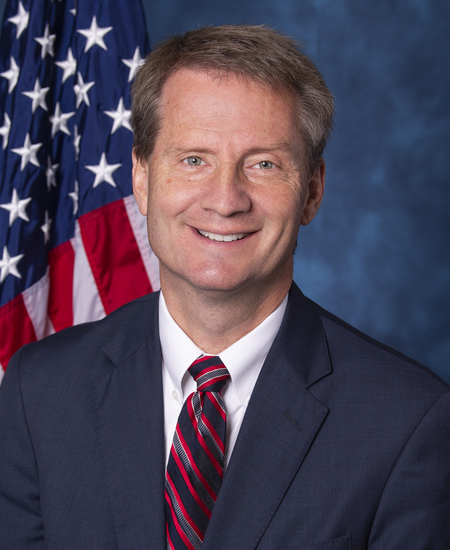
Tim Burchett
House · District 2
|
R |
Mixed −
|
47% | 115 |
Showing 1–10 of 92
bills
All transportation bills
HR 9373: Air Carrier Access Amendments Act of 2026
Sub-Topics
Airports
HR 9453: End EPA Abuse Act of 2026
Topics
✗ EnergyOpposes EnergyBill restricts EPA authority to regulate internal combustion engines and power plant fuel sources, limiting renewable energy and clean energy standards.
✗ EnvironmentOpposes EnvironmentBill explicitly limits EPA authority to restrict ICE vehicles and mandate fuel switches, weakening environmental regulations.
✗ TechnologyOpposes TechnologyBill restricts EPA authority to mandate emerging clean technologies and limits regulatory actions that could drive innovation in energy sectors.
✗ TransportationOpposes TransportationBill restricts EPA authority to regulate vehicle emissions and fuel sources, limiting environmental protections and sustainable transportation policies.
HR 9250: Great American Outdoors Act 250
Topics
✓ Budget & TaxesSupports Budget & TaxesBill establishes a dedicated funding mechanism for federal land maintenance using recreation fees and energy income, directly strengthening fiscal management for public services.
✓ EnvironmentSupports EnvironmentBill funds infrastructure repair on federal lands, directly supporting conservation and environmental protection.
✓ TransportationSupports TransportationBill funds repair of critical infrastructure including roads and trails managed by federal agencies, directly advancing transportation maintenance.
HRES 1344: Expressing support for the designation of the week of June 7 through June 13, 2026, as "National Trailer Safety Week" in the United States, and supporting the goals and ideals of National Trailer Safety Week to educate American motorists about the importance of proper towing techniques and maintenance.
Sub-Topics
Roads & Highways
HR 9036: American High-Speed Rail Act
Topics
✓ Budget & TaxesSupports Budget & TaxesBill explicitly authorizes billions in federal grants to fund high-speed rail projects, directly advancing the budget topic through increased government spending.
✓ EnvironmentSupports EnvironmentHigh-speed rail reduces reliance on fossil-fuel-powered cars and trucks, lowering greenhouse gas emissions and promoting sustainable transportation.
✓ TransportationSupports TransportationBill explicitly expands federal funding and streamlines regulations for high-speed rail projects, directly advancing transportation infrastructure.
Sub-Topics
Rail
HR 8770: SAFEGUARDS Act of 2026
Topics
✓ Budget & TaxesSupports Budget & TaxesBill mandates exclusive use of collected fees for aviation security improvements, strengthening funding for essential public safety programs.
✓ TechnologySupports TechnologyBill funds the purchase and installation of new checkpoint technology at airports, directly advancing technology adoption in aviation security.
✓ TransportationSupports TransportationBill directs funds to aviation security improvements and new checkpoint technology, enhancing transportation safety.
S 4429: Connected Vehicle Security Act of 2026
Topics
✗ TechnologyOpposes TechnologyBill restricts importation, sale, and use of connected vehicles and related technology from specific countries, limiting market access and technological availability.
✗ TransportationOpposes TransportationBill restricts importation, sale, and use of connected vehicles from specific countries, limiting vehicle availability and technology access.
Sub-Topics
Electric Vehicles
S 4452: Let Experienced Pilots Fly Act
Topics
✗ Labor & EmploymentOpposes Labor & EmploymentBill raises mandatory retirement age, extending employment but potentially weakening age-based protections and altering workforce standards.
✓ TransportationSupports TransportationBill enhances aviation safety by updating pilot retirement and medical standards, protecting the transportation sector.