

Maddy summaryHB 1132 prohibits South Dakota state and local government employees from using public resources (personnel, equipment, or funds) to assist in enforcing federal firearm laws that are stricter than South Dakota's current laws. It specifically targets federal measures related to firearm registries, licensing requirements, background checks, or confiscation of firearms from law-abiding residents. The bill defines "material aid" broadly to include sharing information, using facilities, or participating in joint operations that support federal enforcement of these stricter laws. Exceptions allow cooperation on non-firearm crimes, state law enforcement with federal officers present (without aiding federal enforcement), compliance with court orders, and actions against individuals already prohibited from owning firearms under state law. This bill takes effect for federal laws taking effect on or after July 1, 2026.
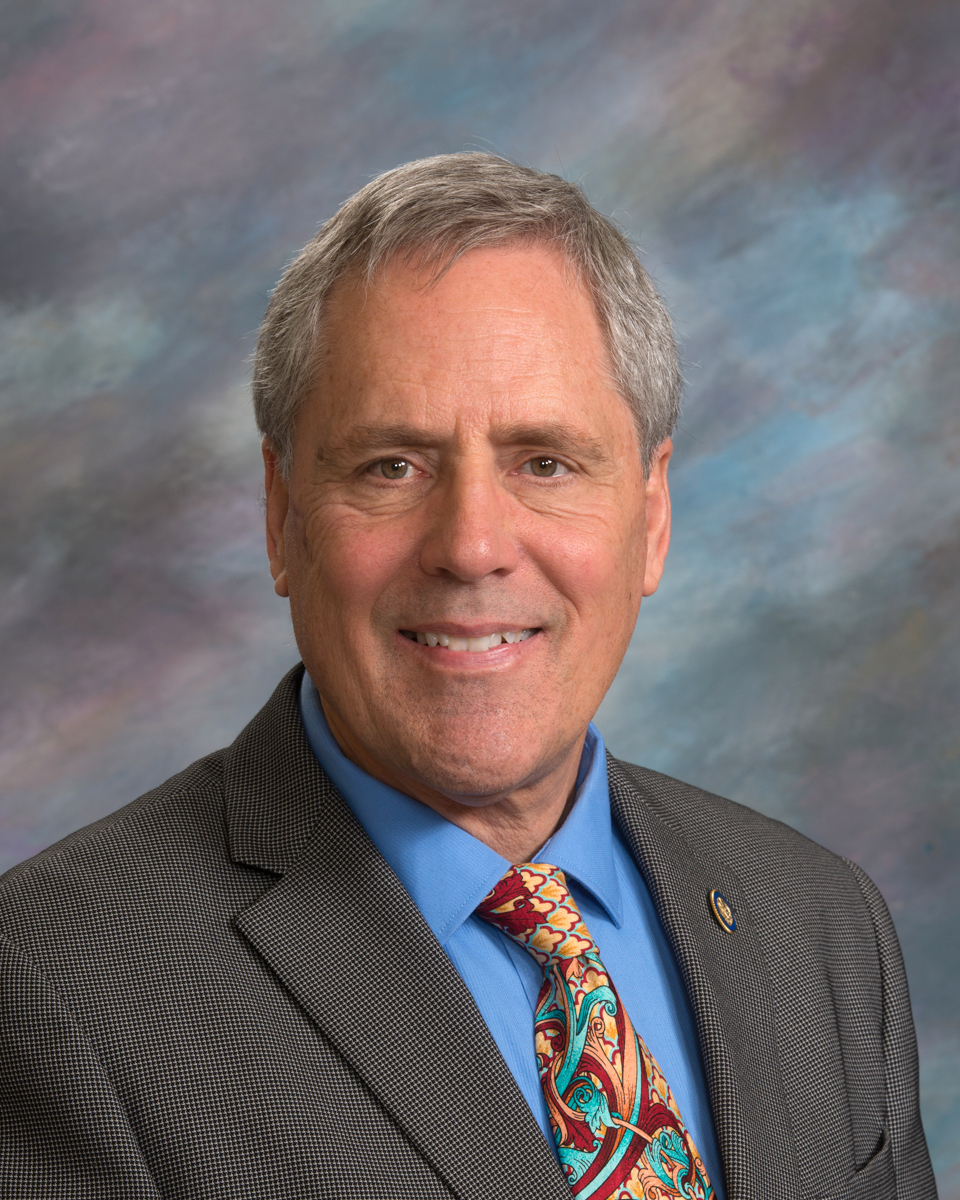
Rep. Phil Jensen
Sponsored bills
Maddy summarySB 95 requires medical cannabis cardholders (both residents and nonresidents) to show their registry card or card number to law enforcement upon request. This provision applies if an officer asks for identification during a lawful interaction. The bill does not change existing protections for medical cannabis use but adds this identification requirement as a condition to avoid arrest under Chapter 23A-3. It directly affects individuals with valid medical cannabis cards who interact with police. The law amends existing statutes (§ 34-20G-2 and § 34-20G-3) to include this requirement.
Maddy summaryHB 1115 revises South Dakota's law on unauthorized possession of controlled drugs by changing where such charges are filed. The bill amends Section 22-42-5 to state that unauthorized possession charges must now be prosecuted under § 22-42-5.1 instead of the current section. This directly affects individuals found in possession of controlled substances without a valid prescription or authorization. The bill maintains existing felony classifications: possession of Schedule I/II drugs remains a Class 5 felony, while Schedule III/IV possession remains a Class 6 felony. The change primarily modifies the legal citation for prosecution without altering the penalties or scope of the offense.
Maddy summaryThis House Commemoration (HC 8003) honors Joyce Waddell for her retirement from the Bison School District after 56 years of service as a teacher, counselor, and librarian. It recognizes her total 61 years of dedication to South Dakota education, including teaching multiple generations of students and maintaining deep community connections throughout her career. The resolution is a ceremonial tribute introduced by multiple legislators, with no associated policy changes or funding.
Maddy summaryHCR 6004 is a non-binding House Concurrent Resolution encouraging South Dakotans to use physical cash for transactions. It urges citizens to pay with cash when possible and support businesses offering cash discounts, while also encouraging businesses to provide such discounts. The resolution cites reasons including preventing purchase tracking, reducing transaction fees for businesses, keeping money circulating locally, enabling unbanked residents to participate in the economy, and improving disaster resilience. It does not create new laws or requirements but serves as a symbolic expression of support for cash-based transactions.
Maddy summaryHB 1071 creates a new 10-year boat registration option for owners of boats transported exclusively on a trailer registered to them in South Dakota. To qualify, owners must provide proof of their trailer's registration and submit an affidavit confirming the boat is only transported on that trailer, paying a special fee at application or renewal. The registration expires after 10 years but can be renewed for additional 10-year periods if requirements are met. If the trailer registration lapses during the 10-year period, the boat reverts to annual registration with expiration based on the remaining time or December 31 of the last trailer registration year. This directly affects boat owners using registered trailers for transport, simplifying registration for those meeting the criteria.
Maddy summaryThis is a symbolic House Concurrent Resolution (HCR), not a bill with binding policy changes. It states South Dakota's commitment to "honest economic development" based on Republican principles like limited government, deregulation, and low taxes, but it does not create new laws or alter existing ones. The resolution urges future legislative and executive policies to prioritize reducing government intervention and supporting free markets, without specifying any concrete actions or affecting specific businesses or residents. As a non-binding statement, it has no direct impact on economic development practices or individuals.
Maddy summaryHB 1087 prohibits the use of paid petition circulators for initiatives seeking to amend South Dakota's constitution or propose new laws. The bill requires that all petition circulators disclose whether they are volunteers or paid, and if paid, state the exact compensation amount. This disclosure requirement effectively bans paid circulators by making it impossible to circulate petitions without revealing payment details. The bill directly affects petition sponsors and circulators working on constitutional amendment or initiated measure petitions. It amends existing petition filing rules to enforce this prohibition.
Maddy summaryThis bill is a legislative commemoration honoring the Harrisburg Tigers girls' gymnastics team for winning the 2025 Class AA state championship. It recognizes their historic first-place finish, a team score record of 152.983, and individual victories by Katelyn Maeschen, Emery Myron, and Isabelle Reiners. The resolution, introduced by multiple legislators, formally celebrates the team's achievements and their coaches' recognition as Coach of the Year. As a symbolic gesture, it has no policy impact or direct effect on any laws or regulations.
Maddy summaryHB 1004 authorizes voters to remove county commissioners through a recall process. It requires petitions signed by 15% of district voters or 5% of county voters (based on the last general election), with signatures valid only within 60 days of filing. The petition must state specific grounds for removal, such as corruption, incompetence, or misconduct, and triggers a special election within 60 days to replace the commissioner. This bill directly affects county commissioners and voters in South Dakota counties, establishing a new procedure for their removal.