

0 co-sponsors
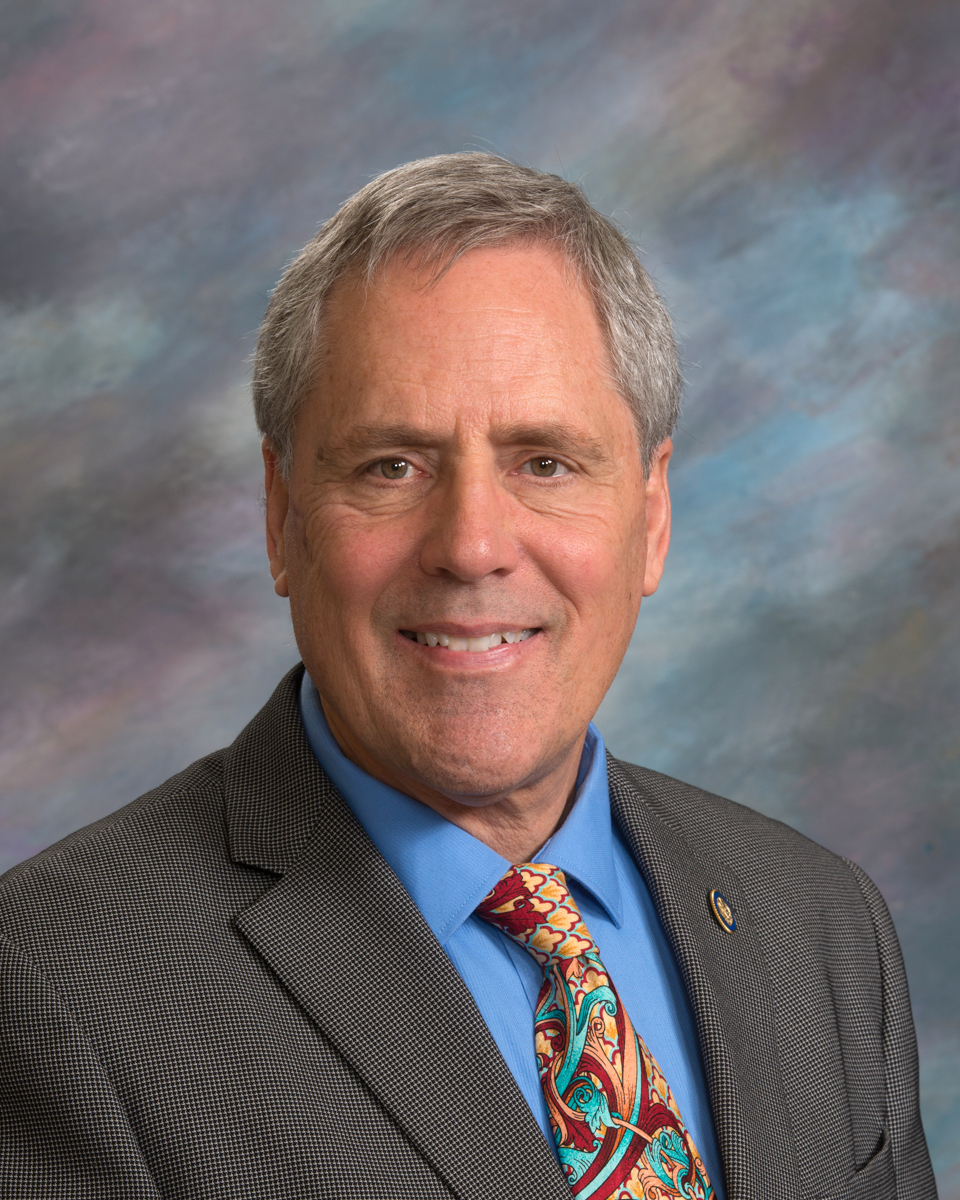
Rep. Phil Jensen
Total votes
2,258
all sessions
Attendance
99%
20 missed
Near the chamber average
With party
66%
of cast votes
Lower than 98% of chamber peers
Bipartisan score
19%
some cross-party votes
Higher than 97% of chamber peers
Sponsored
594
bills & resolutions
Higher than 90% of chamber peers
Committees
2
assignments
594 bills and resolutions
Sponsored bills
Total
594
Primary
594
Co-sponsor
0
This page
594
matching current filters
require education in prenatal human growth and development.
Maddy summaryThis bill requires South Dakota public schools to teach prenatal human growth and development in health or science classes using specific materials. It mandates that schools use resources recommended by the state Board of Education, including at least three minutes of high-definition ultrasound videos showing organ development or computer-generated animations of prenatal growth from fertilization to birth. The law prohibits using any materials from entities that perform, promote, or refer to abortion services. This directly affects K-12 public school curricula in South Dakota, altering required health/science content.
Signed into law Mar 30, 2026
0 co-sponsors
add licensed and registered child care programs to the definition of community safety zone.
Maddy summarySB 107 amends South Dakota law to explicitly include licensed and registered child care programs within the definition of "community safety zone." This means the 500-foot buffer zone around such facilities - including day care centers, group family day care homes, and registered family day care - will now be covered by the same restrictions on sex offender residence as schools, shelters, and public parks. The bill clarifies that all licensed and registered child care programs are explicitly included under existing definitions without adding new facilities to the list. This change directly affects sex offenders required to register under South Dakota law, as they are barred from residing within these zones without specific exemptions.
Signed into law Mar 30, 2026
0 co-sponsors
consider a cultivated-protein food product to be adulterated food.
Maddy summaryHB 1077 classifies cultivated-protein food products (lab-grown meat alternatives made from animal cells grown in vitro) as "adulterated food" under South Dakota's existing food safety laws. This bill directly affects producers and sellers of these products by automatically subjecting them to current adulteration penalties without requiring new safety standards. The key provision adds a specific definition in Section 39-4-2(8), stating such products are deemed adulterated regardless of their safety or labeling. The law does not create new regulations but applies existing food safety definitions to this emerging food category. This change would require cultivated-protein producers to comply with all current adulteration enforcement mechanisms.
Vetoed Mar 30, 2026
0 co-sponsors
require that an individual provide proof of citizenship when registering to vote and to declare an emergency.
Maddy summaryThis bill requires individuals registering to vote in South Dakota to provide proof of U.S. citizenship as part of their voter registration process. It directly affects all current and prospective voters by mandating the submission of specific documents such as a state-issued ID with citizenship verification, a birth certificate, passport, or naturalization certificate. The legislation also establishes a "federal voter" designation for people who use only P.O. box addresses without a physical residence description, limiting their ballot access to federal elections only. Additionally, the bill sets a July 1, 2026 deadline for existing voters to re-submit citizenship documentation when changing counties within the state.
Signed into law Mar 30, 2026
0 co-sponsors
define man and woman throughout the state.
Maddy summaryHB 1184 defines "female" in South Dakota law as "an individual who naturally has, had, will have, or would have, but for a congenital anomaly or intentional or unintentional disruption, the reproductive system that produces, transports, and utilizes eggs for fertilization." This definition applies to all state laws, regulations, and programs. The bill prohibits state funding for any program, service, or policy that contradicts this definition of "female." It directly affects state agencies, healthcare providers, schools, and any entity receiving state funds that use gender-related terms.
Signed into law Mar 30, 2026
0 co-sponsors
expand the information required to be sent to the prescription drug monitoring program for each registry identification card holder.
Maddy summarySB 90 requires South Dakota's prescription drug monitoring program to collect a patient's gender in addition to existing information (name, date of birth, address, and registry card number) for each medical marijuana registry cardholder. This change applies specifically to individuals holding a qualifying patient registry identification card under South Dakota law. The bill amends existing statute to mandate that the department submit gender data to the monitoring program for all cardholders, including nonresidents. This update aims to expand the demographic data available in the state's drug monitoring system.
Signed into law Mar 30, 2026
0 co-sponsors
modify the provisions for a refund of taxes to disabled veterans and surviving spouses under certain property tax relief programs.
Maddy summaryHB 1193 requires South Dakota counties to refund property taxes to disabled veterans and surviving spouses who qualify for tax exemptions under §§ 10-4-40 and 10-4-41 but missed application deadlines. The bill amends § 10-18-1 to explicitly allow refunds for the difference in taxes paid over the previous four years when eligibility requirements are otherwise met. This applies to veterans rated permanently and totally disabled from service-connected disabilities and their surviving spouses (including those receiving VA dependency compensation). The refund mechanism ensures counties must recalculate taxes and return overpayments when the only barrier was a missed deadline. It does not change eligibility criteria but adds a procedural remedy for administrative errors.
Budget & TaxesSupports Budget & TaxesProvides tax refunds to disabled veterans under property tax exemptions, offering relief to a vulnerable group and aligning with tax relief indicators for lower-income individuals.
VeteransSupports VeteransRequires tax refunds for disabled veterans and surviving spouses who missed deadlines, expanding access to existing property tax benefits under veterans' exemptions.
Signed into law Mar 30, 2026
0 co-sponsors
revise provisions related to Division of Criminal Investigation cooperation with Indian tribes.
Maddy summaryHB 1175 revises South Dakota law to clarify that the Sisseton-Wahpeton Sioux Tribe (and other Indian tribes) can request background checks through the Division of Criminal Investigation for specific tribal positions. It directly affects tribal members seeking roles as tribal council members, judges, conservation officers, educators, child protection workers, and others listed in the bill. The key mechanism requires tribes to submit applicants' fingerprints to the state division, which then forwards them to the FBI for a national check if no state-level disqualifications exist, with tribes or applicants covering processing fees.
Signed into law Mar 30, 2026
0 co-sponsors
authorize the salvage of certain bird eggs.
Maddy summaryHB 1265 creates an "Avian Special Purpose Salvage Permit" allowing landowners or farmers to legally salvage, incubate, and release eggs from non-migratory bird nests accidentally destroyed during normal agricultural or lawful activities. The permit, valid annually until December 31, requires a $10 fee and authorizes three specific actions: salvaging eggs, incubating them, and banding/releasing the birds at an appropriate developmental stage. The South Dakota Game, Fish and Parks Commission will establish rules for release criteria, documentation, and the permit process. This bill directly affects landowners whose operations unintentionally disturb non-migratory bird nests, providing a legal pathway to salvage eggs instead of facing misdemeanor charges under existing law.
Signed into law Mar 12, 2026
0 co-sponsors
Ask Maddy
·
AI policy assistant
Ask Maddy about Phil Jensen
Scope: south-dakota
Hi! I can help you understand Phil Jensen's legislative record. What would you like to know?
Try one of these
i
Maddy answers using official bill text and legislative records. Always verify before sharing.
Sources cited inline