

Maddy summaryHB 1035 clarifies definitions for public accountant licensure in South Dakota by amending Section 36-20B-1 of the state code. The bill updates terms like "Owner" (to include nonlicensees in CPA firms), "Peer review," and "Principal place of business" to better reflect current practice standards. It directly affects licensed public accountants, CPA firms, and the South Dakota Board of Accountancy by standardizing terminology used in licensing rules. This is a procedural amendment focused solely on definition clarity, not new requirements or fees.
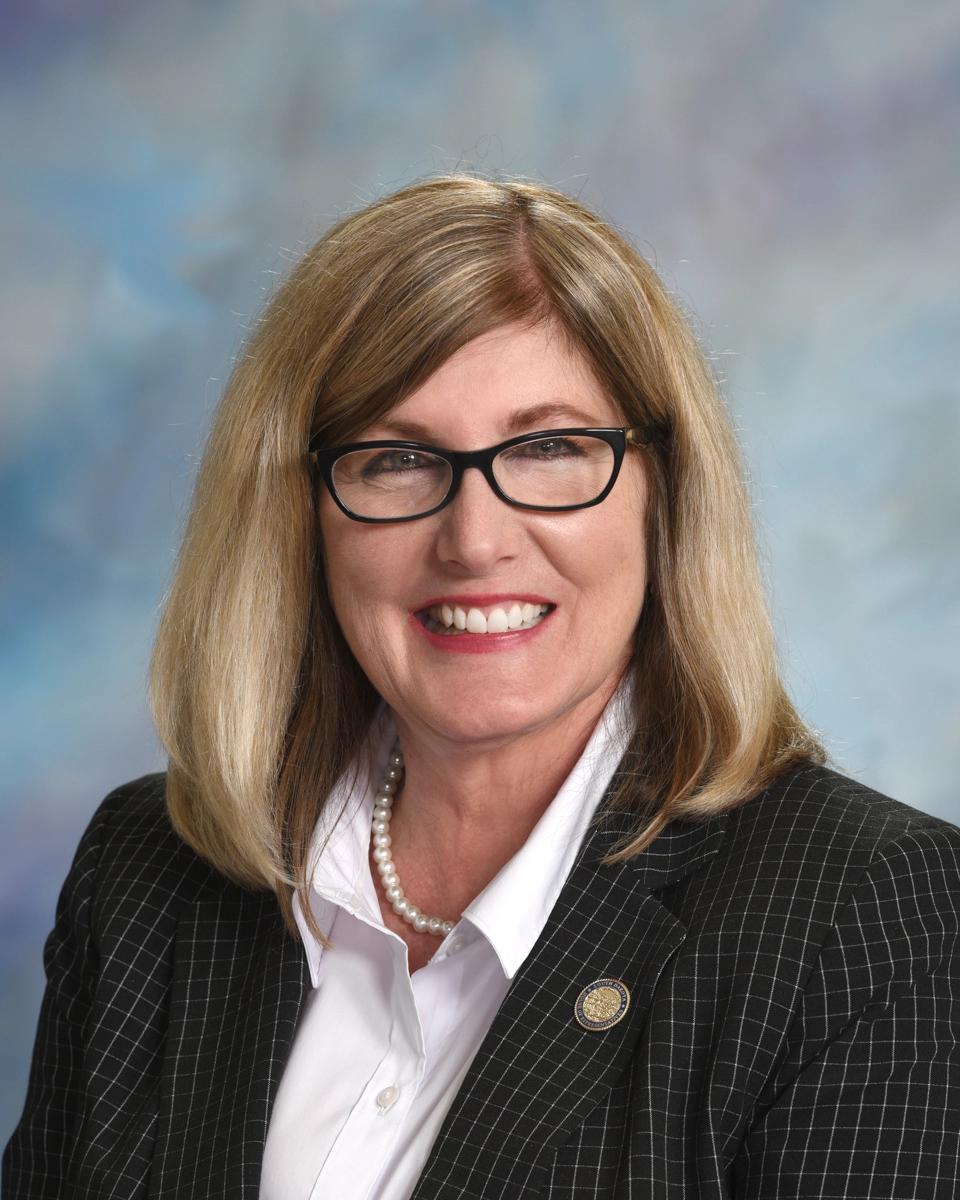
Rep. Mary Fitzgerald
Sponsored bills
Maddy summarySB 211 prohibits ambulance providers from billing patients for out-of-network emergency services beyond required coinsurance, copayments, or deductibles. It requires health insurance plans to reimburse out-of-network ambulance providers at local rates (or 325% of Medicare rates if no local rate exists) within 30 days, and mandates clear billing explanations for patients. The law also establishes a complaint process through the Division of Insurance for violations and requires the division to post reimbursement rates online by 2027. It excludes self-funded employer plans, Medicaid, Medicare, and other federally regulated programs from these rules.
Maddy summaryHB 1270 creates a legal apprenticeship pathway for becoming a licensed attorney in South Dakota, specifically for graduates of the University of South Dakota School of Law who are South Dakota residents. To qualify, applicants must complete 675 hours of supervised legal work under a licensed attorney with at least seven years of practice, followed by a background check. Upon meeting these requirements, apprentices receive a license but must also complete 50 hours of pro bono legal work annually for five years after licensure. The bill directly affects prospective lawyers at USD Law who choose this alternative to traditional law school graduation and bar exam requirements.
Maddy summarySB 194 limits THC potency in medical cannabis products sold at South Dakota dispensaries. It prohibits dispensaries from selling cannabis flower with over 30% THC, liquid concentrates over 60% THC, edibles exceeding 5mg THC per serving or 100mg per container, and cannabis oil over 5% THC. These specific THC thresholds apply directly to products sold at licensed medical dispensaries. The bill aims to restrict the strength of cannabis products available through the state's medical program.
Maddy summarySB 143 requires South Dakota's Department of Health to submit an annual report to the legislature by March 1 each year, focusing on public health impacts of cannabis use. The report must include specific data like medical cannabis program expenses/revenues, cannabis-related poisonings, drug-related deaths with cannabis metabolites detected, hospitalizations, licensing violations, and patient demographics. It directly affects the Department of Health (as the reporting entity) and the legislature (as the recipient of the data). The bill mandates concrete data collection on public health outcomes without changing cannabis laws or regulations.
Maddy summaryThis bill is a symbolic resolution commemorating Deadwood's 150th anniversary as a historical milestone. It formally recognizes the city's founding in 1876 during the Black Hills Gold Rush and its evolution from a frontier mining town into a preserved historic destination. The resolution invites all South Dakotans to celebrate Deadwood's cultural heritage, historical significance, and ongoing contributions to the state's identity. As a commemorative measure, it has no legal effect or policy changes.
Maddy summarySB 95 requires medical cannabis cardholders (both residents and nonresidents) to show their registry card or card number to law enforcement upon request. This provision applies if an officer asks for identification during a lawful interaction. The bill does not change existing protections for medical cannabis use but adds this identification requirement as a condition to avoid arrest under Chapter 23A-3. It directly affects individuals with valid medical cannabis cards who interact with police. The law amends existing statutes (§ 34-20G-2 and § 34-20G-3) to include this requirement.
Maddy summaryHB 1091 requires political subdivisions (like city councils, school boards, or county commissions) to post corrected versions of meeting agendas, attachments, or financial reports at least 24 hours before a meeting if they contain a material error. A "material error" is defined as any mistake likely to mislead the public about meeting details (date, time, location, subject) or the content of documents. This rule applies to both the physical office location and the subdivision's website, if one exists. Violating this requirement is punishable as a Class 2 misdemeanor.
Maddy summaryHB 1090 requires the governor's office to publish notices of appointments or reappointments to state boards, commissions, councils, or other entities in the next regularly scheduled issue of the South Dakota Register. This applies to all positions the governor can appoint under state law, including filling vacancies. The bill mandates this publication as a standard step for transparency, directly affecting the governor's office and the public who access the Register. It does not change appointment powers or create new requirements beyond publication.
Maddy summaryThis bill bans the sale, distribution, possession, and use of kratom and kratom products for all individuals, not just those under 21. It prohibits selling kratom products containing more than 2% 7-hydroxymitragynine, synthetic compounds, or harmful additives, and requires mandatory labeling with serving sizes, alkaloid content, and health warnings. Violations are classified as Class 2 misdemeanors, punishable by fines or jail time. The law directly affects consumers, retailers, and manufacturers of kratom products across South Dakota.