

Maddy summarySouth Dakota's SB 61 bans the sale, distribution, and possession of hemp-derived products containing chemically modified or synthesized cannabinoids (like delta-8, delta-9, or delta-10 THC) intended for human or animal consumption, unless they are approved medical products. The bill specifically prohibits products where cannabinoids exceed 0.4 milligrams combined per container, are not naturally produced by hemp, or were created through chemical processes. It directly affects commercial sellers and consumers of non-medical hemp products (such as gummies, edibles, or vape cartridges) containing these synthetic or modified compounds. Medical cannabis products regulated under Chapter 34-20G are exempt from these restrictions.
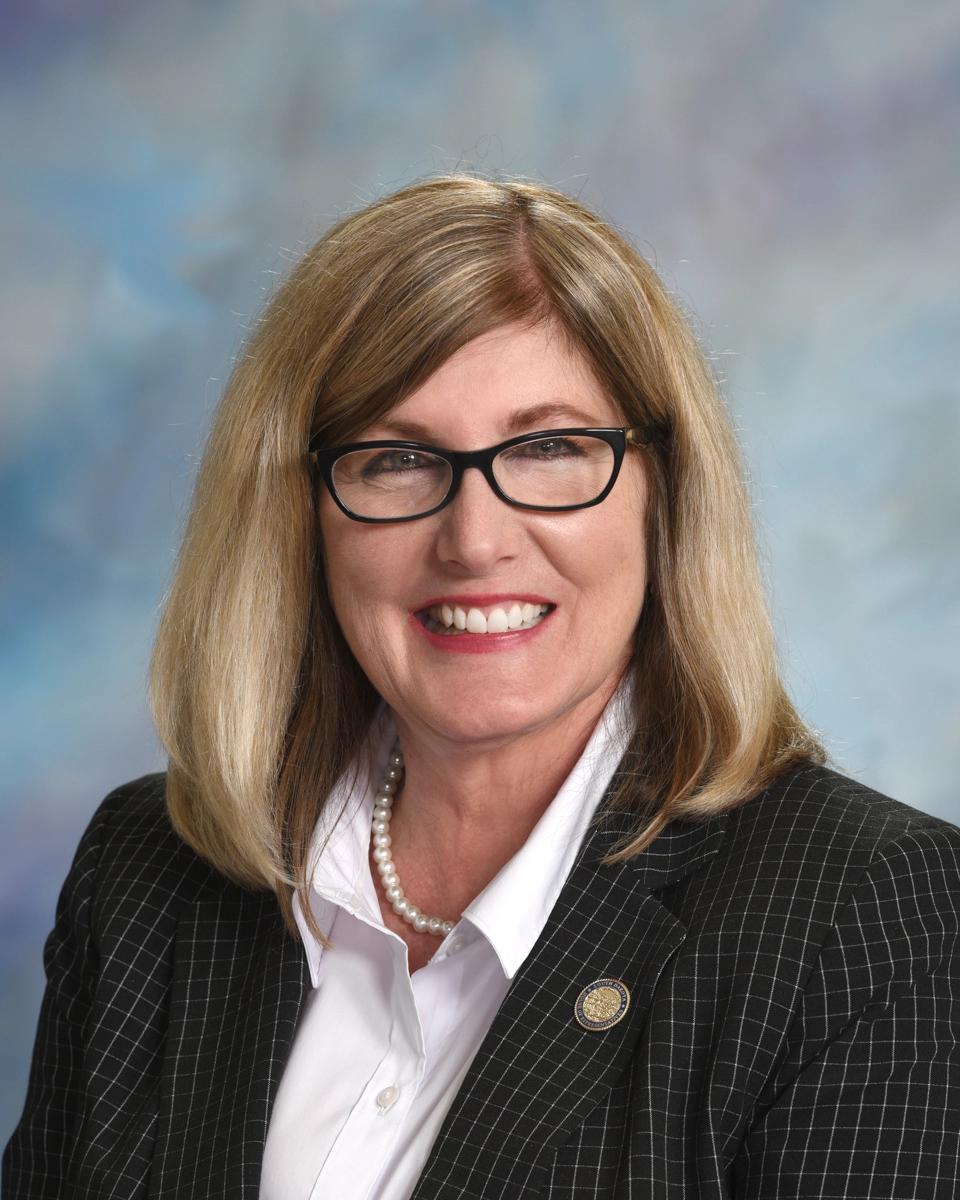
Rep. Mary Fitzgerald
Sponsored bills
Maddy summarySenate Bill 80 prohibits the sale or distribution of delta-9 THC products (including related compounds like delta-8 and THC-O) to anyone under 21 years old. It directly affects retailers selling these products and minors attempting to purchase them. The law makes it a Class 2 misdemeanor to sell such products to underage individuals, with limited exceptions for parents or guardians purchasing on behalf of their children. The bill also bans underage possession, consumption, or purchasing on behalf of minors for these specific THC products.
Maddy summarySB 13 clarifies that the 72-hour notice requirement for posting public meeting agendas does not include weekends or legal holidays. It directly affects state boards, commissions, and departments that must post meeting agendas online and at their offices. The bill specifies that the 72-hour countdown starts after the notice is posted, excluding Saturdays, Sundays, and holidays. This change makes the timing rule clearer for government entities without altering the core requirement to post agendas 72 hours before meetings.
Maddy summaryThis bill prohibits individuals convicted of certain rape offenses from receiving a suspended imposition of sentence in South Dakota. The measure directly affects defendants charged with specific sexual assault crimes by removing a sentencing option that would allow them to avoid jail time. Under the new provisions, judges would no longer be able to suspend the imposition of sentence for these offenses, requiring immediate sentencing instead. This change applies to both new and pending cases involving the specified rape charges.
Maddy summaryHB 1126 proposes changes to how members of a recount board in South Dakota are compensated. The bill directly affects the individuals appointed to serve on these boards during election recount processes. Key provisions would modify the payment structure or conditions under which these board members receive their compensation. This legislative change aims to adjust the financial terms for recount board service without altering the overall recount procedures.
Maddy summaryThis bill requires county election officials to post notices about post-election audits and testing of voting equipment on the Secretary of State's website. The provision directly affects counties in South Dakota by mandating public transparency regarding their election review processes. By centralizing this information online, the bill ensures voters can access details about how their ballots were counted and verified. The measure does not change existing audit procedures but adds a reporting requirement for public visibility.
Maddy summaryHB 1230 amends South Dakota law to impose penalties for the unauthorized distribution of fentanyl, directly affecting individuals who distribute the drug without legal authorization. The bill establishes criminal penalties for those who distribute fentanyl without a prescription or other legal justification, aiming to address the growing opioid crisis. This legislation does not specify exact penalty levels but authorizes the state to enforce stricter consequences for unauthorized fentanyl distribution. The changes apply to all persons distributing fentanyl in violation of state regulations, without distinguishing between different types of distributors.
Maddy summaryHB 1245 exempts certain services provided to a partnership from South Dakota's state sales and use tax gross receipts. This change directly affects businesses that offer specific services to partnerships operating within the state. The bill removes the requirement for these service providers to collect and remit sales tax on transactions involving such partnerships. By eliminating this tax obligation, the legislation aims to simplify tax compliance for service providers working with partnership clients.
Maddy summaryHB 1059 clarifies the definition of a teleconference for open meeting laws in South Dakota, directly affecting government bodies that hold meetings using remote communication technology. The bill specifies that teleconferences must still comply with open meeting requirements, ensuring transparency when officials meet remotely. This change aims to prevent ambiguity about whether virtual meetings count as open meetings under state law. The legislation applies to all public entities required to follow open meeting procedures when conducting business through teleconference formats.
Maddy summaryHB 1071 modifies the practice criteria for physician assistants in South Dakota by updating the rules governing their scope of practice. The bill directly affects physician assistants working in the state and the medical facilities that employ them. Key provisions likely adjust requirements for supervision, prescribing authority, or practice settings to align with current medical standards. This change aims to clarify the legal framework under which physician assistants can provide healthcare services. The legislation does not specify exact modifications without access to the full text, but it focuses on regulatory updates rather than creating new programs.