

Maddy summaryHB 1119 modifies governance rules for farm mutual insurers in South Dakota by increasing the maximum number of board directors from 11 to 15 and clarifying eligibility requirements. The bill requires that directors must be members of the insurer or one of its affiliates (defined as entities controlling or controlled by the insurer). This directly affects the board composition of all South Dakota farm mutual insurers operating under these rules. The key change streamlines board size limits while ensuring directors have a direct connection to the insurer through membership or affiliation.
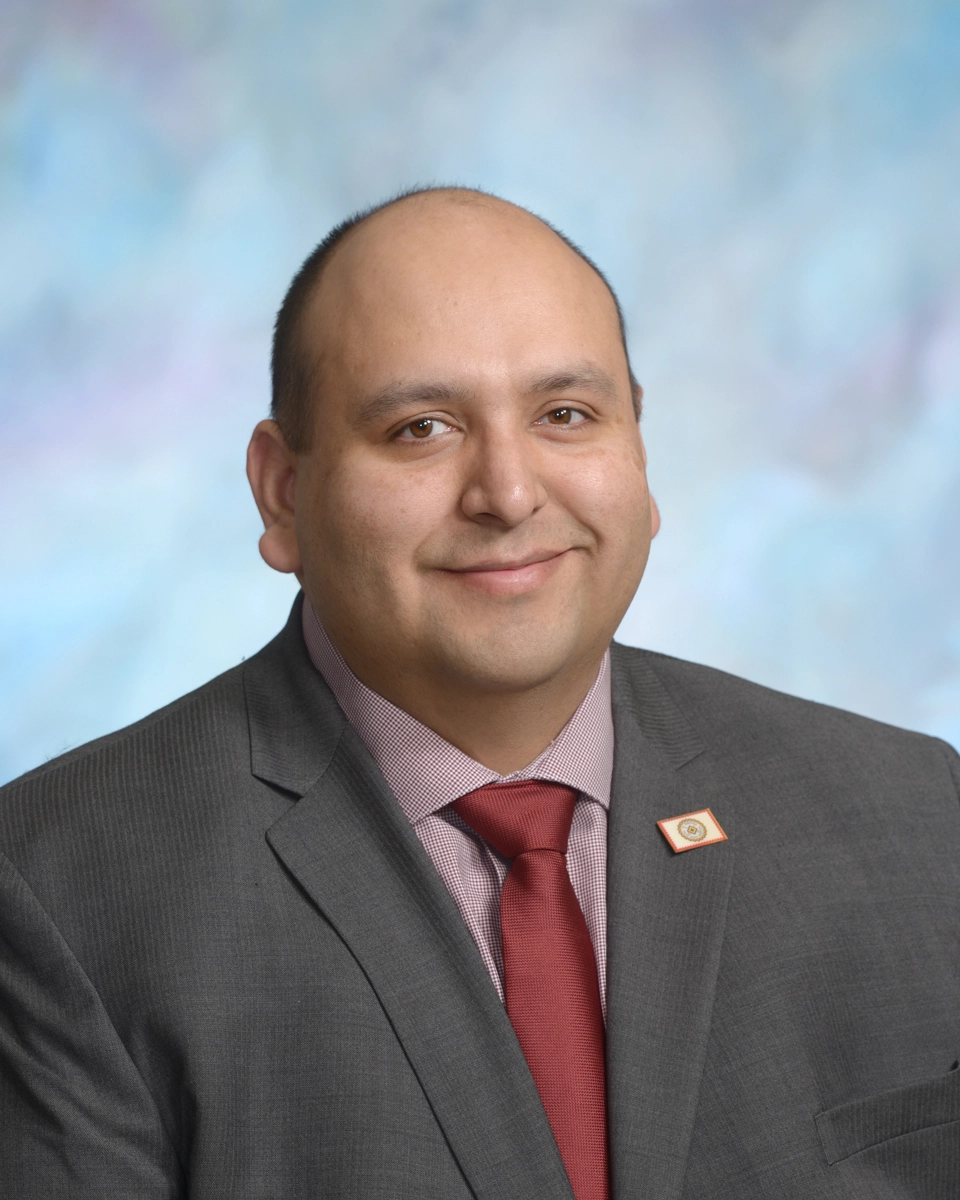
Rep. Eric Emery
Sponsored bills
Maddy summaryHB 1111 modifies South Dakota's rules for agricultural processors (like those who thresh, shell, or process crops) seeking liens on the grain, silage, or other products they handle. It requires processors to provide detailed written accounts of services, file financing statements electronically within 30 days of processing completion, and notify buyers if liens exist before crop sales. The bill clarifies lien priority over other claims and mandates enforcement actions within 30 days of filing, or the lien expires. This directly affects processors seeking payment and farmers selling processed crops.
Maddy summaryHB 1104 revises application requirements for South Dakota's special license plates and parking permits for people with disabilities. It specifies that certification for these benefits must come from licensed physicians, physician assistants, chiropractors, physical therapists, or certified nurse practitioners (all licensed under Title 36), stating the applicant has a "substantial physical disability" that makes walking impossible or causes substantial hardship. The bill clarifies that applications for both license plates and portable parking permits must be submitted through county treasurers, with no fee charged for the plates. It also includes penalties for fraud (Class 1 misdemeanor) or failure to surrender permits when no longer needed (Class 2 misdemeanor).
Maddy summaryHB 1233 modifies South Dakota's tax collection agreements with Indian tribes by expanding the list of state taxes tribes can collect on behalf of the state. The bill adds 13 specific taxes to the existing list, including retail sales tax, cigarette tax, motor vehicle excise tax, and remote seller sales tax. Under the agreement, tribes would collect these taxes and the state would retain a set percentage of the collected revenue as an administrative fee. This directly affects tribal governments (as tax collectors) and South Dakota's Department of Revenue (as the state entity managing collections).
Maddy summaryThis bill is a legislative commemoration that formally recognizes the Boys & Girls Clubs of South Dakota and their 2026 Youth of the Year program. It highlights the organization's work serving over 18,000 children annually across 60 locations and acknowledges specific finalists from Sioux Falls, Wagner, Mission, Flandreau, and Pierre. The resolution does not create new laws or funding but instead serves as an official state acknowledgment of the program's achievements and the accomplishments of the youth nominees.
Maddy summaryThis bill is a legislative commemoration that formally recognizes Generations Indigenous Ways, a nonprofit organization on the Pine Ridge Indian Reservation. The resolution highlights the organization's work in blending Lakota cultural knowledge with science, technology, engineering, and mathematics education to empower Native youth. It acknowledges the group's programs, which include science camps, afterschool activities, and food sovereignty initiatives that foster cultural pride and community wellbeing. The bill does not change laws or allocate funding but serves to honor the organization's contributions to education and cultural preservation.
Maddy summaryThis concurrent resolution (HCR 6015) requests the Legislative Research Council's Executive Board to form a committee to study expanding state involvement in the national instant criminal background check system. It specifically directs the committee to examine how to better identify individuals with mental health issues seeking firearms, while addressing due process rights, reporting standards, and training requirements for those handling background check information. The study will also evaluate county mental health boards' roles, existing commitment processes, and how they might interact with background check systems. The resolution does not create new law but asks for a report with findings and recommendations for future legislative action. (Note: The bill title incorrectly references "county boards of mental illness" instead of the actual focus on background checks and mental health in firearm contexts.)
Maddy summaryThis bill formally recognizes the Harrisburg Tigers gymnastics team for winning the 2026 Class AA state gymnastics championship in South Dakota. The legislation highlights the team's achievements, including their conference victories, final score, and individual accomplishments by team members and coaches. It serves as an official commendation from the state legislature without changing any laws or policies.
Maddy summaryHB 1035 clarifies definitions for public accountant licensure in South Dakota by amending Section 36-20B-1 of the state code. The bill updates terms like "Owner" (to include nonlicensees in CPA firms), "Peer review," and "Principal place of business" to better reflect current practice standards. It directly affects licensed public accountants, CPA firms, and the South Dakota Board of Accountancy by standardizing terminology used in licensing rules. This is a procedural amendment focused solely on definition clarity, not new requirements or fees.
Maddy summaryHB 1086 appropriates $2.7 million from the general fund to the South Dakota Department of Corrections for a grant to a nonprofit organization. The nonprofit must provide trauma-informed programming - including leadership development and skills training - to both offenders and correctional staff at three specific state prisons: South Dakota State Penitentiary, Mike Durfee State Prison, and South Dakota Women's Prison. To qualify, the nonprofit must currently operate such programming at a state facility and plan to serve all three prisons, as verified by the Department of Corrections. Unspent funds by June 30, 2031, will revert to the state treasury.