

Maddy summaryHB 1099 would reclassify FDA-approved psilocybin medications from Schedule I to Schedule IV under South Dakota law. This change would allow medical providers to prescribe these specific pharmaceutical products without the strict restrictions currently applied to Schedule I substances. The bill specifically affects only psilocybin in drug products approved by the FDA, not raw psilocybin or unapproved formulations. This amendment aligns South Dakota's scheduling with federal approval status for medical use.
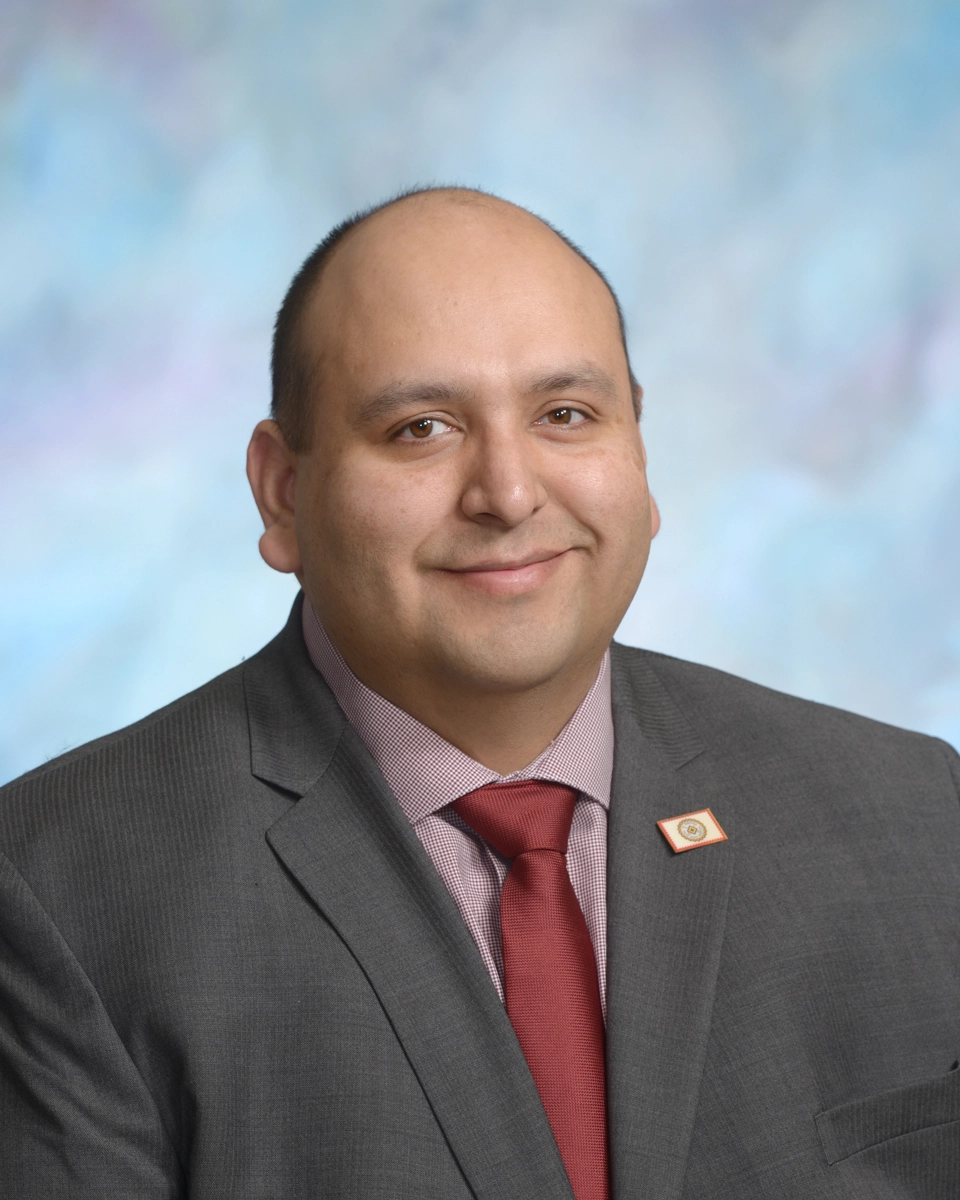
Rep. Eric Emery
Sponsored bills
Maddy summarySB 197 amends South Dakota law to transfer administration of the South Dakota-Ireland Trade Fund from the Legislative Research Council's Executive Board to the Department of Agriculture and Natural Resources. The fund, which supports the South Dakota-Ireland Trade Commission's activities like promoting trade between South Dakota and Ireland, consists of donations, grants, and interest earned. This bill changes only the managing agency - no policy or funding changes are made to the fund's purpose or sources. The amendment clarifies that the Department of Agriculture will handle the fund's administrative expenses and disbursements.
Maddy summaryHB 1101 prohibits insurers from denying or limiting life, disability, or long-term care insurance coverage solely because someone is a living organ donor. It specifically bans insurers from: (1) refusing coverage based on donor status, (2) requiring donors to stop donating to maintain coverage, or (3) charging higher premiums or imposing other restrictions due to donor status alone. The bill ensures that living organ donors cannot face insurance discrimination without evidence of actual increased health risk. This directly protects individuals who donate organs while alive from unfair treatment by insurance companies.
Maddy summaryHB 1176 clarifies that South Dakota courts may require defendants to participate in a 24/7 sobriety program as a condition of bond or pre-trial release. It prevents defendants from being jailed or having their release revoked solely due to inability to pay program costs, unless a court finds they could pay but willfully avoided doing so. Defendants must prove they didn’t willfully skip payments or made a genuine effort to pay. Unpaid program costs may later be added to a defendant’s sentence if the court determines they have the ability to pay. The bill directly affects individuals in criminal cases offered this program.
Maddy summaryHB 1219 requires South Dakota state agencies to provide free interpreter or translator services for non-English-speaking parties during administrative hearings (like license disputes or benefit appeals). The bill mandates agencies to appoint qualified, impartial interpreters and cover their costs from agency budgets. It also allows winning parties to recover interpreter fees incurred during the hearing. This directly affects individuals or businesses needing language assistance in agency proceedings. The law updates existing rules to ensure all parties can fully participate in administrative cases.
Maddy summaryHB 1143 allows students with diabetes to possess and self-administer nasal glucagon (a medication for severe low blood sugar) on school property or at school events. It directly affects students diagnosed with diabetes who require this specific treatment. The bill requires a licensed healthcare provider’s diagnosis, written parent authorization, and a physician’s statement detailing the medication’s purpose, dosage, and administration guidelines to be kept on file at the school. Schools must maintain these documents in the student’s health record or with the school nurse. This change expands existing provisions for asthma and anaphylaxis medications to include nasal glucagon for diabetes management.
Maddy summarySouth Dakota would join the Physician Assistant Licensure Compact, allowing physician assistants (PAs) licensed in other participating states to practice in South Dakota without obtaining a separate state license. This directly affects PAs - especially active-duty military personnel and their spouses - who can use their existing license from another participating state to practice in South Dakota. The key mechanism is the "Compact Privilege," which permits PAs to provide medical services where the patient is located, while maintaining patient safety through existing state licensing board oversight. This reduces licensing barriers for PAs and improves access to medical care across state lines.
Maddy summarySouth Dakota's SB 87 ensures counties cover the full cost of forensic medical examinations for victims of sexual assault or rape, eliminating out-of-pocket expenses for victims. The bill specifies covered costs include physician services, necessary tests (like STD screenings and pregnancy tests), supplies, and medications, with payments capped at Medicaid rates. It allows minors aged 16+ to consent to exams without parental permission and permits exams for protected persons without guardian consent, provided informed consent is obtained. Hospitals and clinics cannot bill victims beyond these Medicaid-based limits, and must notify victims of their no-cost access regardless of cooperation with law enforcement.
Maddy summaryHB 1126 revises South Dakota's penalties for repeat driving under the influence (DUI) offenses. It targets individuals with five or more prior DUI convictions within 15 years (down from 25 years), requiring a mandatory minimum six-year prison sentence for a sixth or subsequent offense, with at least one year on parole. The bill mandates specific monitoring tools like ignition interlocks or alcohol bracelets during supervision and extends driver's license revocation periods, with limited exceptions for employment or medical needs after completing treatment. These changes apply directly to repeat DUI offenders meeting the revised conviction thresholds.
Maddy summaryHB 1007 amends South Dakota's legal definition of "law enforcement officer" to explicitly include tribal law enforcement officers. This change directly affects tribal law enforcement personnel by ensuring they are recognized under the same legal definitions as state and local officers. The bill modifies Section 22-1-2 of state law to add tribal officers to the definition, aligning their status with other law enforcement roles. This is a technical definitional update with no new requirements or funding impacts.