

Maddy summarySB 5 requires South Dakota to clearly disclose on ballots whether a proposed constitutional amendment or law was initiated by the Legislature or by a citizen petition. The bill amends election laws to mandate that ballot titles for both types of measures must include a specific disclosure: "proposed by the Legislature" for legislative proposals, and "proposed by a citizen-initiated petition" for initiative measures. This disclosure must appear directly after the title and before the attorney general's explanation and fiscal note on the ballot. The law applies to all ballot questions submitted for voter approval, ensuring voters can immediately see the origin of each measure.
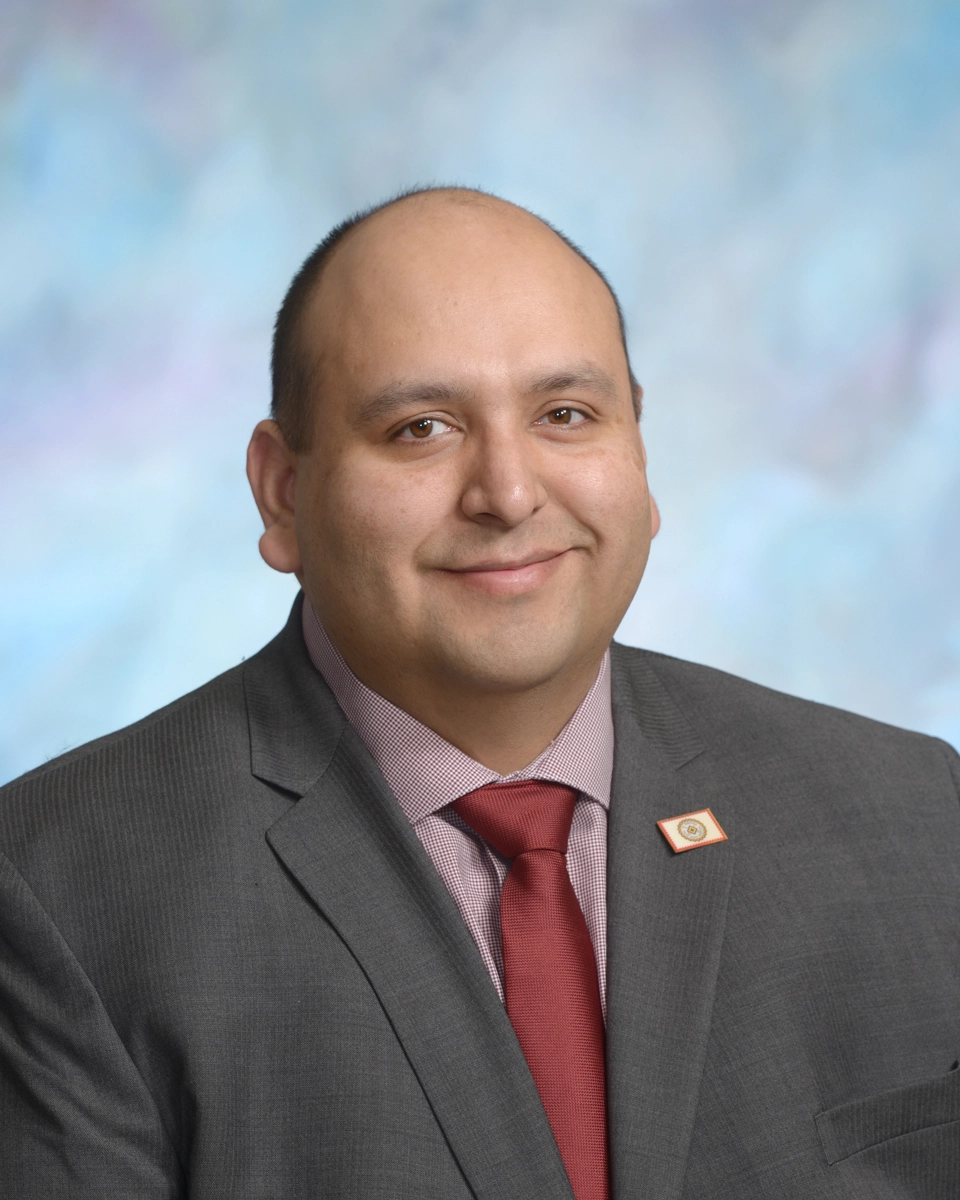
Rep. Eric Emery
Sponsored bills
Maddy summaryThis bill is a ceremonial resolution honoring Scouting America's 116 years of service to youth in South Dakota and the U.S. It does not create new laws or policies but formally recognizes the organization's founding in 1910 and its mission to develop character and leadership through programs for young people. The resolution specifically celebrates Scouting America's impact on over 130 million youth and its ongoing work supporting South Dakota families. It has no direct effect on individuals or communities beyond the symbolic recognition by the South Dakota legislature.
Maddy summaryHB 1174 would amend South Dakota's retirement law to include 911 telecommunicators as Class B members of the South Dakota Retirement System. This change directly affects 911 call center workers across the state, granting them the same retirement classification as police officers, firefighters, and other public safety staff. The bill updates the legal definition of "Class B member" in the retirement system statutes to explicitly list 911 telecommunicators alongside existing professions like law enforcement and fire personnel. This is a technical classification change, not a new benefit or funding mechanism.
Maddy summaryHB 1127 revises South Dakota's regulations for birth centers and certified professional midwives. It requires birth centers to obtain a license from the Department of Health (with a $500 fee), mandates risk assessments to confirm low-risk pregnancies before admission, and requires written care plans addressing each client's medical and emotional needs. The bill also mandates that a practitioner or registered nurse be on-site during active labor and repeals the previous requirement that birth centers be within 30 minutes of a hospital. These changes directly affect birth centers, certified midwives, and patients seeking care at these facilities.
Maddy summarySB 201 permits hunters to use drones to locate and recover mortally wounded deer or elk when standard tracking methods fail, directly affecting hunters who meet specific conditions. The bill requires hunters to reasonably believe the animal was mortally wounded during a lawful hunt and that it cannot be found with conventional methods. Drone use is restricted to private land, outside September-November, with pilot permission from landowners, FAA compliance, and adherence to rules set by the Game, Fish and Parks Commission. Violating these rules would be a Class 1 misdemeanor. The law does not change general hunting regulations but adds a specific exception for drone-assisted recovery under strict parameters.
Maddy summaryHB 1154 establishes a new legal structure for for-profit corporations in South Dakota called "public benefit corporations." These corporations must formally commit to pursuing either a general public benefit (affecting society/environment broadly) or a specific public benefit (targeting a particular group), and their names must include "general benefit corporation" (GBC) or "specific benefit corporation" (SBC). Existing for-profit corporations can convert to this status by amending their articles of incorporation and obtaining shareholder approval with a two-thirds vote ("minimum status vote"). The bill directly affects for-profit businesses seeking to legally prioritize social/environmental impact alongside profit, while excluding nonprofits and requiring clear public benefit commitments in corporate governance.
Maddy summarySB 104 requires South Dakota's Medicaid program to reimburse licensed therapists for equine-assisted therapy. The bill mandates reimbursement for physical therapists, occupational therapists, or speech-language pathologists who provide therapy using horse-human interactions to help patients meet treatment goals. This applies to Medicaid recipients and requires the state to submit a federal plan amendment by August 1, 2026, to implement the coverage. The law specifically defines "therapy using equine movement" as therapeutic activities leveraging horse interactions to achieve clinical objectives.
Maddy summaryHCR 6001 is a non-binding resolution urging the U.S. Department of Homeland Security (DHS) to establish a tribal law enforcement training academy in South Dakota. It directly addresses DHS and aims to benefit law enforcement personnel serving South Dakota’s nine federally recognized tribal nations, including those working in culturally specific contexts. The resolution requests DHS collaborate with tribal leaders and state agencies to design training programs tailored to tribal communities’ unique needs. It does not create new laws or allocate funding but formally asks DHS to consider South Dakota as a location for such an academy. The resolution emphasizes South Dakota’s existing partnerships with tribal nations and the Bureau of Indian Affairs in law enforcement training.
Maddy summaryThis is a commemorative resolution (not a bill with policy changes), recognizing February as National Career and Technical Education and National Career and Technical Student Organizations Month. It formally acknowledges South Dakota's career and technical education programs serving over 30,000 students and student organizations with more than 10,000 members (including FFA, SkillsUSA, and HOSA). The resolution has no binding effect or policy impact; it serves only to honor these educational efforts through symbolic recognition. No specific groups or individuals are directly affected by this commemoration.
Maddy summaryThis bill (SC 806) is a non-binding legislative commemoration honoring four South Dakota school administrators for their service: David Olson (Meade Middle School Principal), Kendra Becker (Redfield Secondary School Principal), Richie Hutchinson (Sioux Falls Assistant Middle School Principal), and Kay Bass (Harrisburg Assistant Secondary School Principal). It recognizes their combined 88 years of dedication to education, peer-elected "Outstanding School Administrator" status for 2025-2026, and their commitment to improving educational opportunities. The resolution formally names them as official representatives of South Dakota School Administrators. This is purely ceremonial and does not create new laws or affect policies.