

Maddy summaryHB 1192 allows parole consideration for inmates sentenced to life imprisonment without parole who were aged 18-26 at the time of their offense (excluding first-degree rape). It requires the parole board to review cases after 25 years of incarceration, with mandatory initial hearings within six months of eligibility. The board must consider factors like the inmate's youth at the time of crime, rehabilitation efforts, completion of educational programs, victim input, and evidence of maturity. The law applies retroactively to all qualifying inmates sentenced before July 1, 2026. It modifies existing parole eligibility rules by creating a specific pathway for this age group.
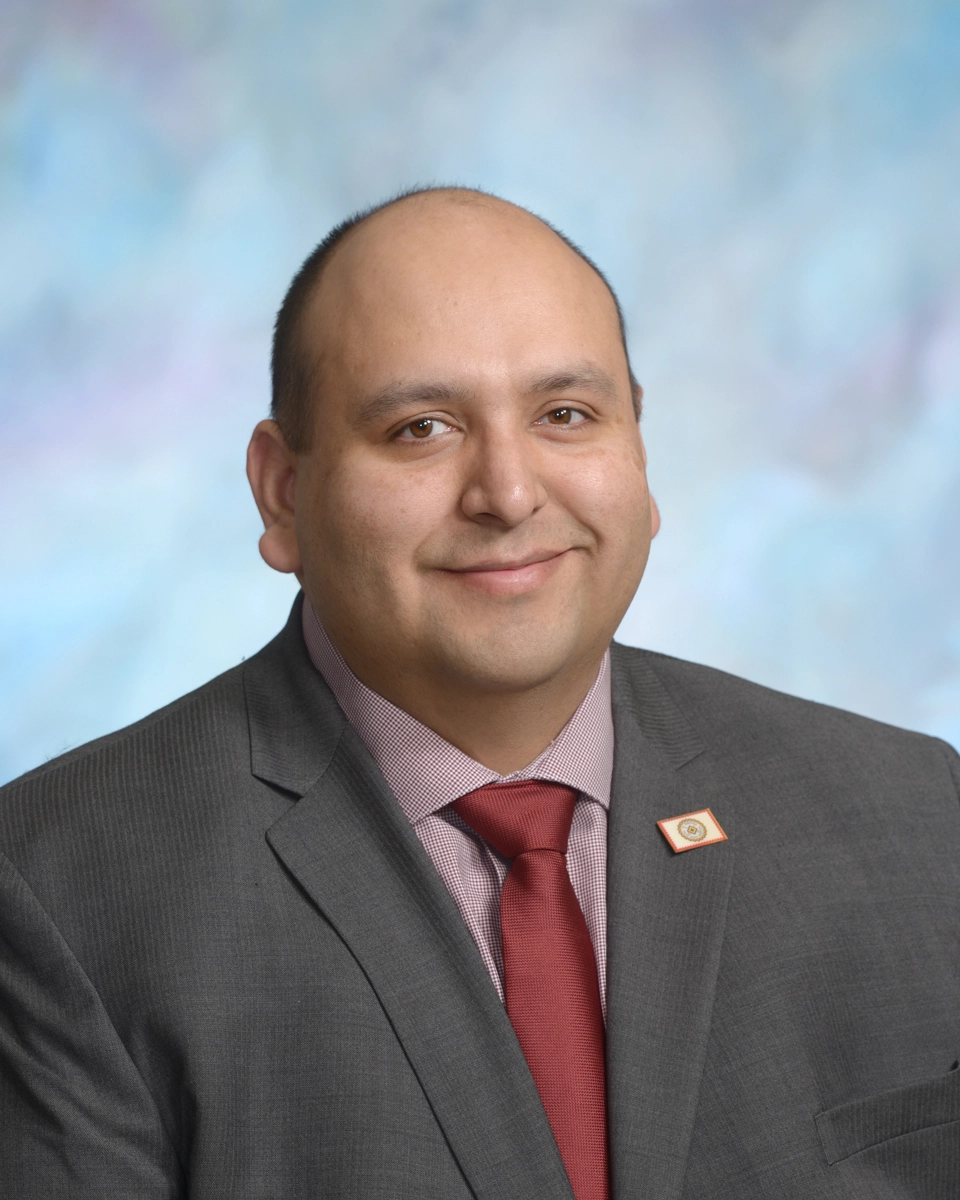
Rep. Eric Emery
Sponsored bills
Maddy summarySB 2 amends South Dakota law to clarify that firearm silencers (devices reducing gunshot noise) are not classified as "controlled weapons." This change removes silencers from the category of weapons subject to strict state regulations, such as special permits or licensing requirements. The bill directly affects gun owners, manufacturers, and sellers of silencers in South Dakota by eliminating these regulatory barriers. The key mechanism is an amendment to the definitions section of the state's criminal code (§ 22-1-2), specifically excluding silencers from the definition of "controlled weapon."
Maddy summaryThis bill is a legislative commemoration honoring Ashlyn Koupal, a Wagner High School senior, for being named to the 2026 McDonald's All-American Girls Basketball Team. It recognizes her as only the second South Dakotan and the first female athlete from South Dakota selected for this national honor, celebrating her athletic achievement and leadership. The resolution has no policy impact - it solely expresses the legislature's recognition of her historic accomplishment.
Maddy summaryHB 1195 provides free admission to South Dakota state parks and recreation areas for residents enrolled as members of Indian tribes. It also grants a 50% discount on camping fees and associated electrical service fees at these locations. Qualified individuals will receive a lifetime park entrance license issued by the Department of Game, Fish and Parks, with specific application criteria and procedures to be established by the agency. This policy directly affects enrolled tribal members seeking access to state park facilities.
Maddy summarySB 140 requires South Dakota correctional facilities to deposit 25% of inmate earnings from prison work into a personal savings account. This savings account cannot be used to pay court fines, fees, or other debts owed by the inmate. Upon release (via parole, suspended sentence, or discharge), the inmate receives the full balance of this savings account. Additionally, any interest earned on these savings must be deposited into the state's crime victims' compensation fund. The bill directly affects incarcerated individuals working in state prisons and modifies how their earnings are handled.
Maddy summaryThis bill (HB 1228) provides financial support to South Dakota National Guard members who donate an organ for transplantation. It requires the Department of the Military to pay a stipend based on recovery time: 50% of active-duty basic pay for two weeks or less recovery, or 150% for longer recovery, as certified by a doctor. To qualify, members must follow National Guard donation protocols, give one month's notice before surgery, and undergo the procedure at an approved transplant hospital. The stipend is only available if the member does not receive paid leave from their civilian employer for the donation. The bill directly affects National Guard members who choose to donate organs while serving.
Maddy summaryHB 1190 establishes the South Dakota-Tribal Consultation Commission to create a formal, ongoing process for state-tribal collaboration. The commission, composed of the Governor, tribal relations secretary, one tribal representative per tribe (appointed by tribes), and two legislators, meets quarterly to review state initiatives and receive tribal input. It requires the Governor to report on state actions affecting tribes and submit annual recommendations to the Governor by December 1st. This bill directly affects South Dakota state agencies and the nine federally recognized tribes by mandating structured consultation on state policies impacting tribal communities.
Maddy summaryHB 1024 modifies requirements for ambulance operators in South Dakota by establishing new certification standards. It mandates that ambulance operators must be at least 18 years old, hold a valid driver's license, and meet one of three criteria: be licensed as emergency medical services personnel under Chapter 36-4B, be a law enforcement officer, or complete approved CPR training and a 16-hour emergency vehicle operator course. The bill also requires ambulance services to maintain documentation of these qualifications and provide it to the state upon request. These changes directly affect ambulance operators and ambulance services statewide, updating existing requirements under Chapter 36-4B and related statutes.
Maddy summaryThis bill (HB 1023) allows registered nurses (RNs) and licensed practical nurses (LPNs) to serve on ambulance crews in South Dakota under specific conditions. It requires nurses to demonstrate competence in emergency care skills to medical or program directors before working on ambulances, and mandates that their care must stay within their license scope and be supervised. The bill also provides liability protection for RNs and LPNs for routine ambulance care, shielding them from most civil lawsuits unless the care involved gross negligence or willful misconduct. This directly affects ambulance services seeking to employ nurses and the nurses themselves who wish to provide emergency care on ambulances.
Maddy summaryHB 1214 requires South Dakota courts to consider a defendant's history of abuse as a mitigating factor during sentencing for certain crimes. To qualify, defendants must provide documented evidence (such as court records, hospital reports, or protective orders) proving the abuse was a substantial factor in their offense. If approved, sentences are reduced: life without parole becomes a maximum of 35 years, life with parole becomes a maximum of 30 years, and fixed terms are reduced by at least one-third. The law excludes Class A felonies, sex offenses, and related attempts, and allows retroactive resentencing for cases before July 1, 2026.