

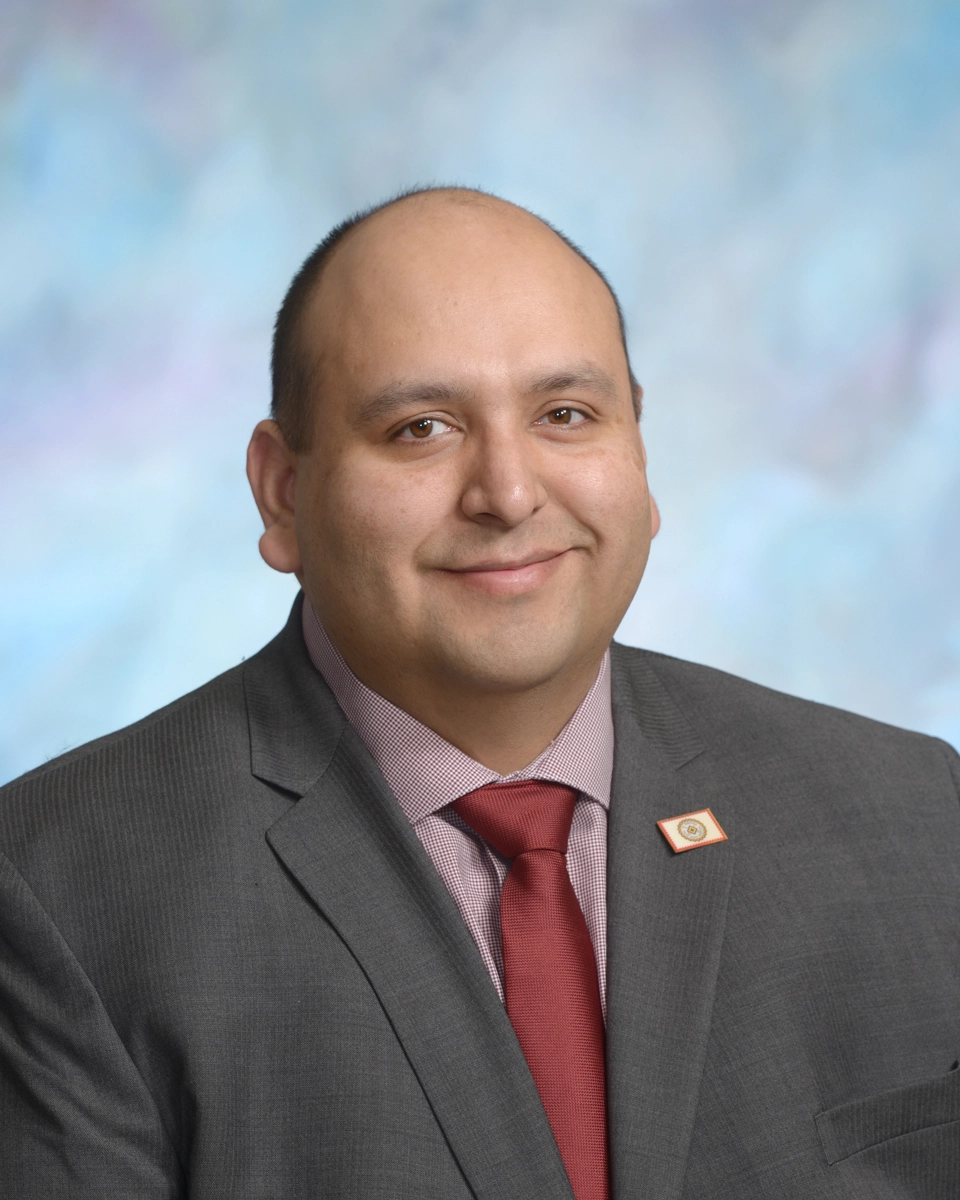
Photo of Eric Emery
D South Dakota House · District 26A On the 2026 ballot

Rep. Eric Emery

Compare
Total votes
1,555
all sessions
Attendance
97%
32 missed
Higher than 80% of chamber peers
With party
93%
of cast votes
Higher than 92% of chamber peers
Bipartisan score
6%
crosses aisle rarely
Lower than 93% of chamber peers
Sponsored
530
bills & resolutions
Higher than 97% of chamber peers
Committees
6
assignments
530 bills and resolutions

Sponsored bills

Total
530
Primary
530
Co-sponsor
0
This page
530
matching current filters
Primary HB 1205
In committee · South Dakota House · Lead sponsor
amend the manner of calculating state aid to general and special education funding.

Maddy summaryHB 1205 amends South Dakota's formula for calculating state aid to school districts for general and special education funding. It updates key definitions, including how "fall enrollment" is calculated (subtracting certain tuition-receiving students and adding those for whom the district pays tuition) and revises the target teacher ratio factor based on district size. The bill also establishes a new method for calculating target teacher compensation, linking it to the consumer price index and requiring annual adjustments. This directly affects all South Dakota public school districts receiving state education funding.

In committee Feb 20, 2026 0 co-sponsors
Primary HB 1281
Passed · South Dakota House · Lead sponsor
reduce the sales and use tax rates on food, to increase the rates for certain taxes, use taxes, and excise taxes, and to provide a new fund for school district capital outlay projects.

Maddy summaryHB 1281 reduces sales and use tax rates on non-prepared food (like groceries) for consumers while increasing tax rates on other items, including certain excise taxes and use taxes. The bill establishes a new fund specifically for school district capital projects, such as building construction or major equipment purchases. It defines "food" to exclude prepared meals (e.g., restaurant takeout), alcohol, tobacco, and candy, ensuring the tax cut applies only to basic grocery items. The policy shifts tax burden from grocery shoppers to other taxable goods and services to finance school infrastructure.

Passed Feb 19, 2026 0 co-sponsors
Primary HB 1255
Passed · South Dakota House · Lead sponsor
require that the Department of Health accept the medical records of a veteran applying for a medical cannabis registry identification card.

Maddy summaryHB 1255 requires South Dakota's Department of Health to accept medical records from the U.S. Department of Veterans Affairs (VA) when veterans apply for a medical cannabis registry ID card. Veterans must submit VA records (within three years) showing a debilitating condition, along with proof of an honorable military discharge, to qualify under this provision. This eliminates the need for veterans to obtain a new certification from a South Dakota healthcare provider for the card application. The bill applies specifically to veterans meeting these documentation requirements, streamlining access to medical cannabis registry cards.

Passed Feb 19, 2026 0 co-sponsors
Primary SB 150
Passed · South Dakota Senate · Lead sponsor
exempt one motor vehicle of a debtor from being taken by legal process.

Maddy summarySB 150 would amend South Dakota law to allow debtors who are heads of households to exempt one motor vehicle from being seized by creditors. The vehicle must be valued at $5,000 or less after accounting for any existing loan or security interest. This change modifies existing exemption rules (§ 43-45-4), adding the vehicle as a specific exempt asset alongside other personal property limits. The bill directly affects South Dakota residents facing debt collection who qualify as heads of families, providing a concrete safeguard for their primary transportation.

Passed Feb 19, 2026 0 co-sponsors
Primary HB 1072
In committee · South Dakota House · Lead sponsor
provide an appropriation for a payment for state employee salaries.

Maddy summaryHB 1072 allocates $20.6 million in state and federal funds to provide South Dakota state employees with a payment equal to 1.5% of their January 1, 2026 salary. Starting July 1, 2026, each active state employee as of that date will receive this amount monthly in 12 equal installments. The payment applies only to employees still working at the time of each monthly disbursement, meaning no payments are made to those who left state employment before a payment date. The funds must be expended by June 30, 2027, with unused amounts reverting to the state.

In committee Feb 19, 2026 0 co-sponsors
Primary HB 1268
Passed · South Dakota House · Lead sponsor
repeal capital punishment.

Maddy summaryHB 1268 would repeal South Dakota's death penalty by removing it as a sentencing option for Class A felonies, including first-degree murder. The bill directly affects individuals convicted of capital offenses, replacing the death penalty with life imprisonment as the maximum sentence. Key provisions amend sections of the criminal code (specifically §§ 22-6-1, 22-16-12, and others) to eliminate the death penalty from Class A felony sentencing and adjust felony classifications accordingly. This change would apply to all future cases, meaning convicted individuals would no longer face execution as a possible penalty for the most serious crimes.

Passed Feb 18, 2026 0 co-sponsors
Primary SB 209
Passed · South Dakota Senate · Lead sponsor
authorize the creation of land banks.

Maddy summarySB 209 authorizes local governments in South Dakota (like counties or municipalities) to create nonprofit "land banks" to address abandoned, blighted, or vacant properties. These land banks, established through a local ordinance, can acquire, manage, and develop such properties to return them to productive use - such as through redevelopment, sale, or lease. Key mechanisms include allowing land banks to sue, borrow funds, handle foreclosures, collect rent, and partner with other entities. The bill provides a clear legal framework for creating these entities but does not mandate their use or specify which properties qualify beyond the defined categories.

Passed Feb 17, 2026 0 co-sponsors
Primary HC 8012
Introduced · South Dakota House · Lead sponsor
recognizing Captain Royce Williams for his exemplary military service and bravery in combat.

Maddy summaryThis bill (HC 8012) is a South Dakota legislative commoration formally recognizing Captain Royce Williams for his military service. It specifically honors his combat actions during the Korean War, including a classified 35-minute dogfight in 1952 where he reportedly shot down four enemy aircraft. The resolution acknowledges the Navy's 2025 recommendation to upgrade his decoration to the Medal of Honor, though the bill itself does not change any military awards. It serves solely as a symbolic gesture of state recognition, directly affecting Captain Williams through official commemoration.

Introduced Feb 17, 2026 0 co-sponsors
Primary HB 1060
Signed into law · South Dakota House · Lead sponsor
remove the five percent calculation requirement from the county budgetary process.

Maddy summaryHB 1060 removes a requirement that county commissioners must add a mandatory 5% buffer to tax levy calculations when creating annual budgets. This change affects South Dakota county governments by simplifying their budget process - county boards will no longer need to calculate a 5% excess over projected revenue needs. The bill specifically repeals Section 7-21-18 and amends Sections 7-21-19 and 10-12-8 to eliminate the 5% addition step from the tax levy formula. County commissioners will now calculate tax levies based solely on the difference between budgeted expenses and expected revenue, without the fixed 5% adjustment.

Signed into law Feb 17, 2026 0 co-sponsors
Primary HB 1088
Signed into law · South Dakota House · Lead sponsor
remove the requirement that counties remit to municipalities an amount equal to the road levy for calendar years 1984, 1985, and 1986.

Maddy summaryHB 1088 removes a requirement that South Dakota counties must remit funds to municipalities equal to the road levy amounts distributed to those municipalities for calendar years 1984, 1985, and 1986. This specifically targets a provision in existing law that mandated counties pay municipalities a share of road tax revenue from those three years. The bill repeals Section 10-12-32.1, which previously established that municipalities incorporated after January 1, 1984, were entitled to 25% of county road funds for those historical years. This change eliminates a longstanding financial obligation between counties and municipalities for a specific historical period.

Signed into law Feb 17, 2026 0 co-sponsors
Showing 111 to 120 of 530 bills
Previous 1 … 11 12 13 … 53 Next