Issue · Healthcare

Healthcare

Every healthcare bill, vote, and legislator stance in South Dakota, automatically classified by Maddy, our AI policy reader.

Total bills
48
2026 Regular Session
Top supporter
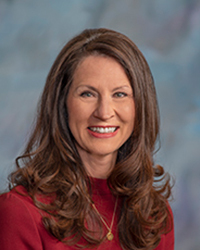
Helene Duhamel
88% support rate
Top opponent
John Carley
29% support rate
Ranked legislators
10
5 support · 5 oppose
Key legislators

Who's moving healthcare in South Dakota

Legislators moving healthcare in South Dakota
Legislator Party Stance Support rate Votes
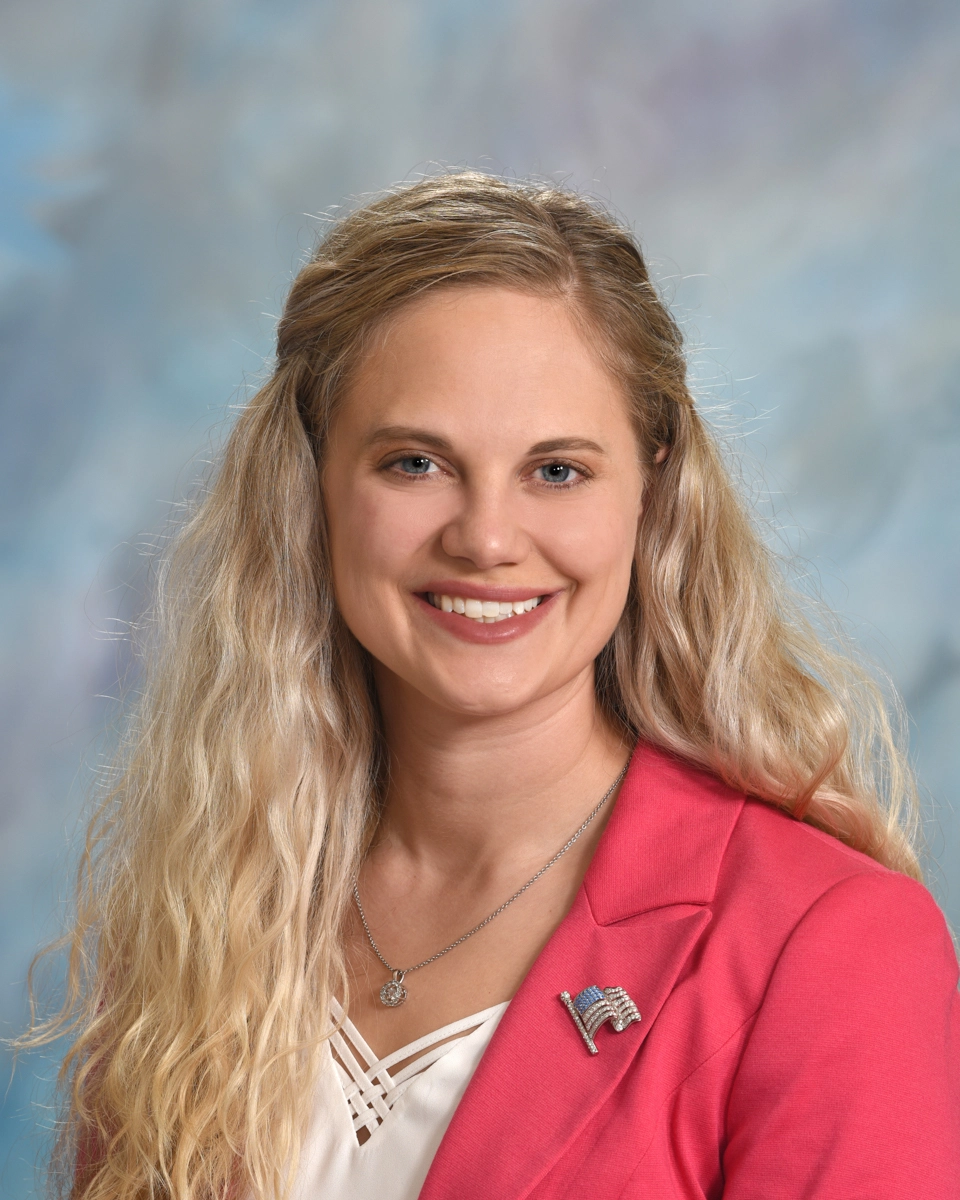
Helene Duhamel
Helene Duhamel Senate · District 32
R
Strong +
88% 26
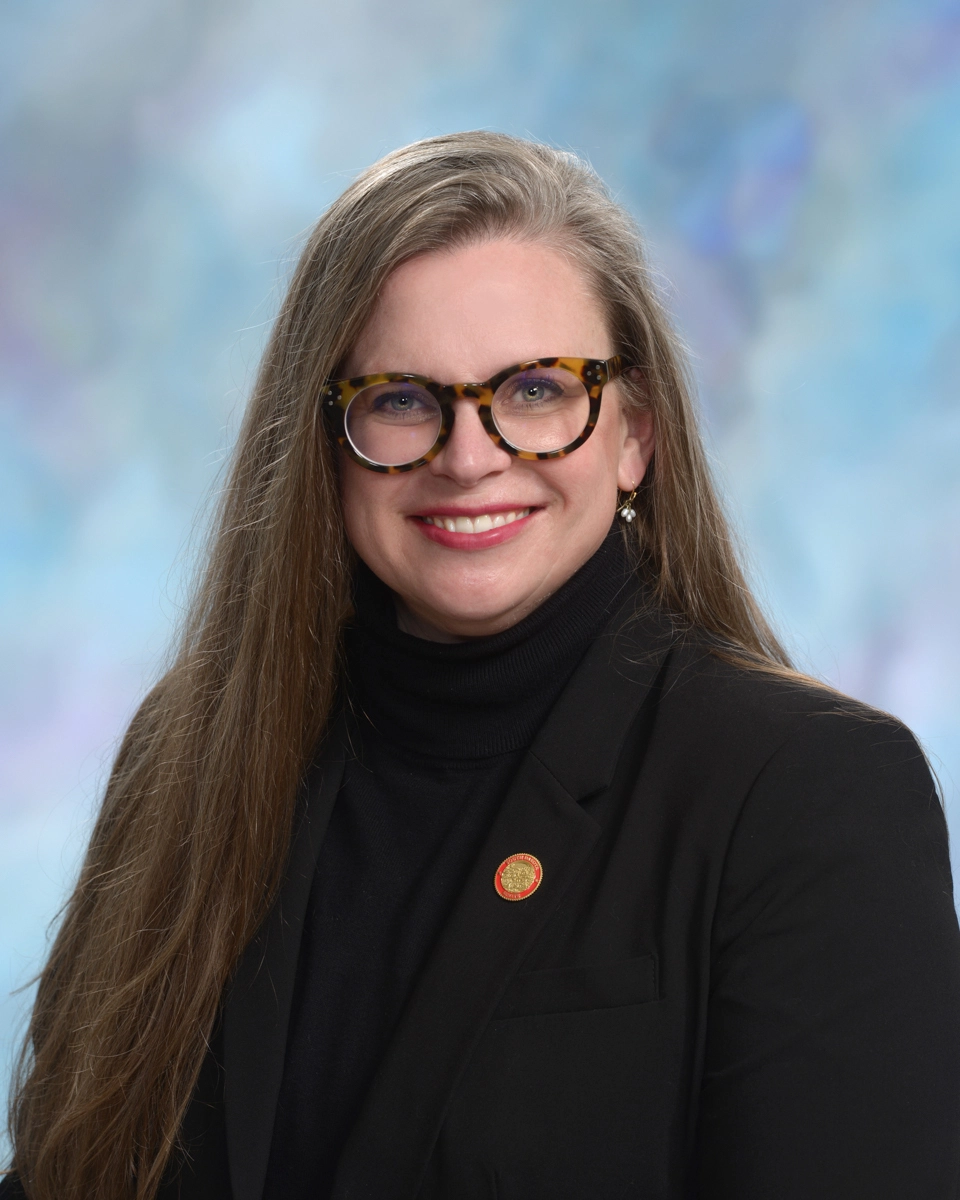
Liz Larson
Liz Larson Senate · District 10
D
Strong +
86% 29
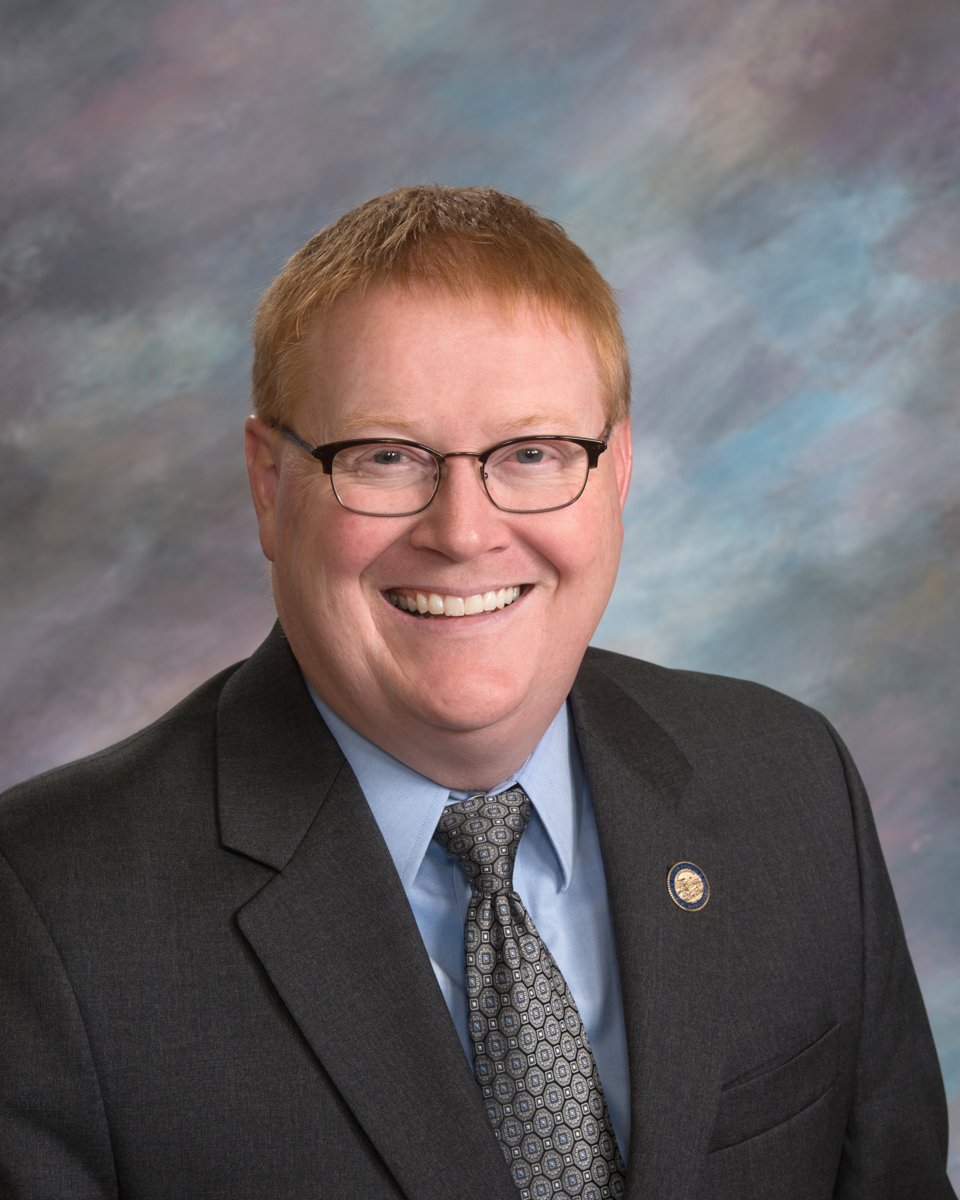
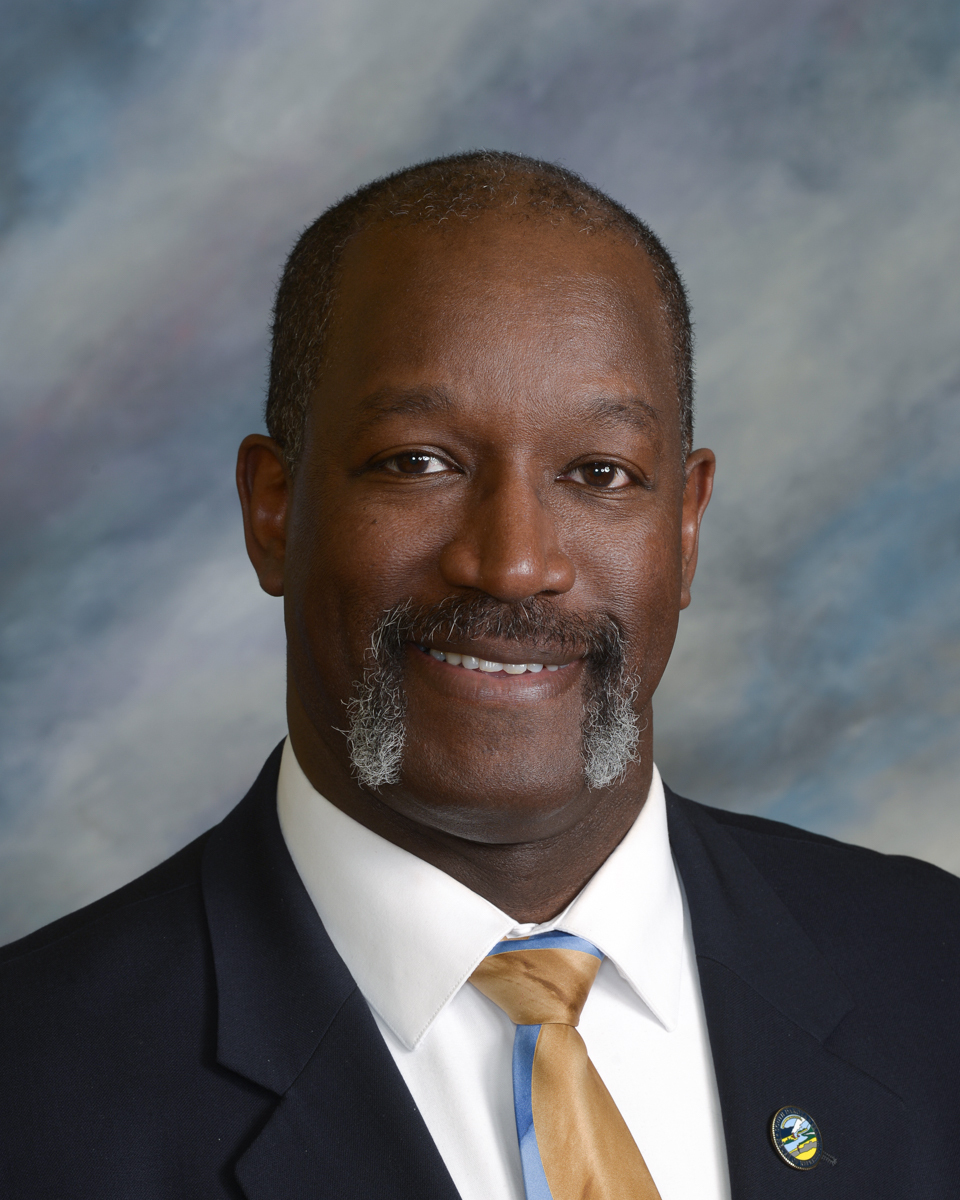
Jamie Smith
Jamie Smith Senate · District 15
D
Strong +
83% 41
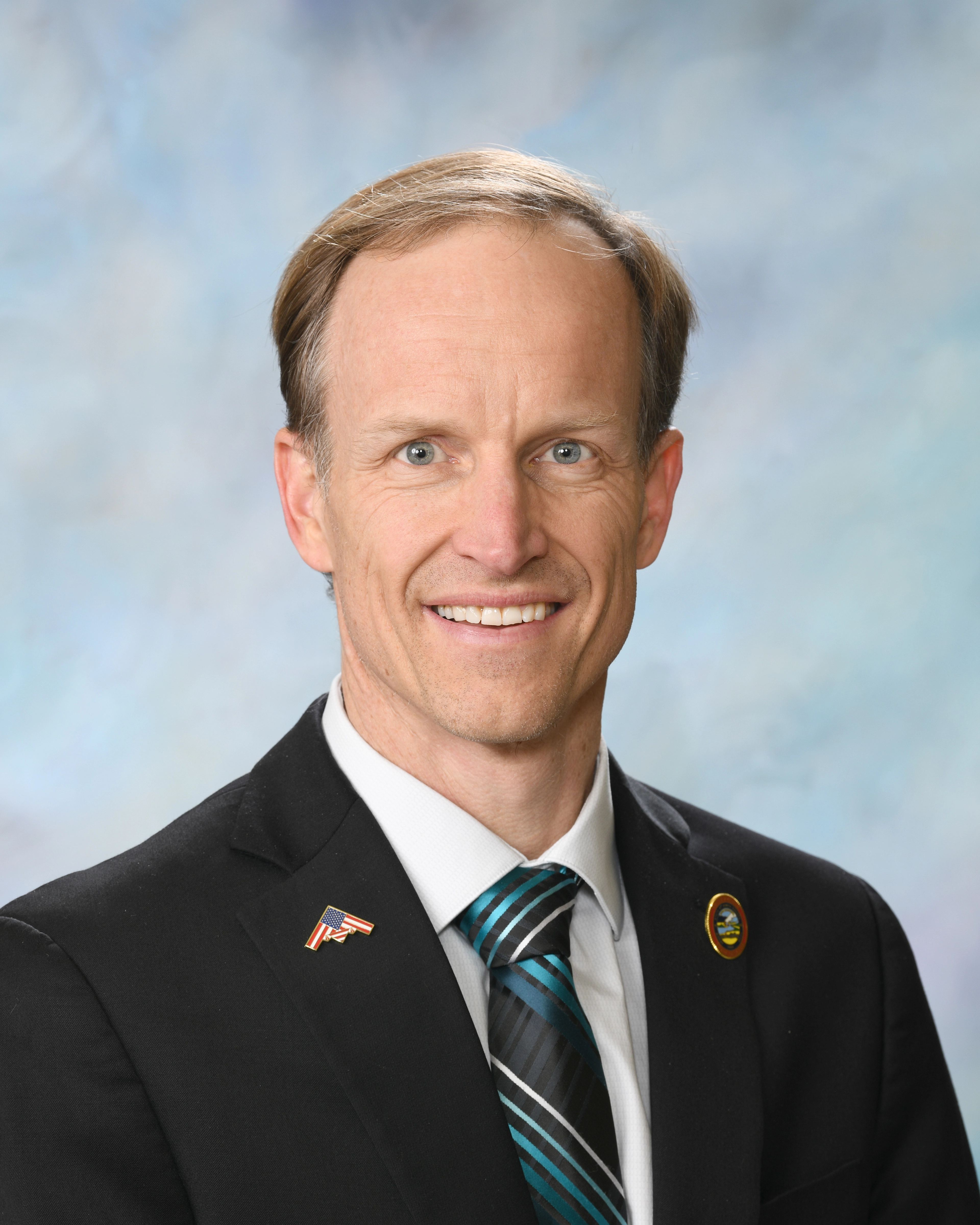
Tim Reed
Tim Reed Senate · District 7
R
Strong +
82% 36
Scott Moore
Scott Moore House · District 23
R
Strong +
81% 52
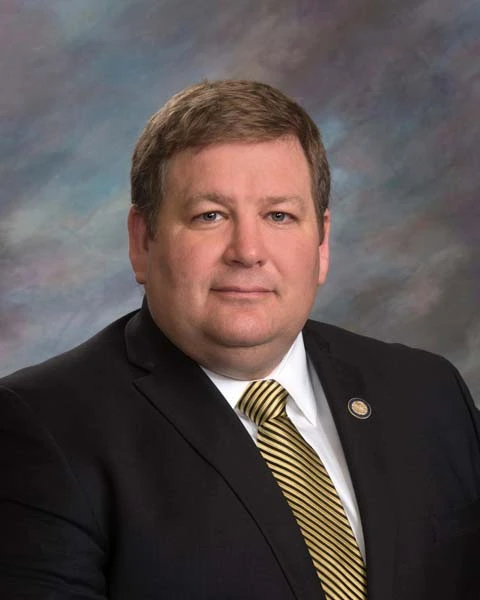
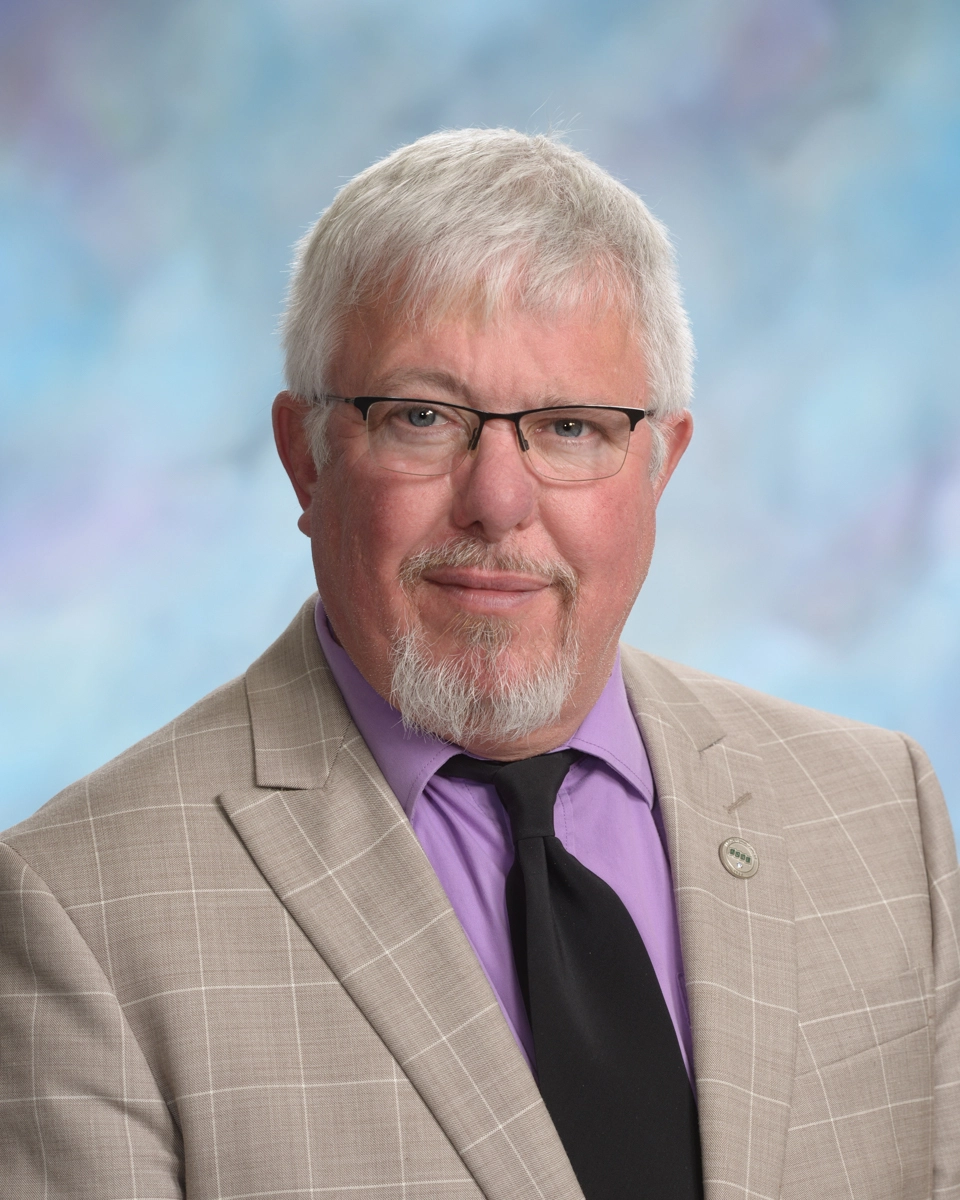
John Carley
John Carley Senate · District 29
R
Oppose
29% 29
Bethany Soye
Bethany Soye House · District 9
R
Oppose
29% 19
Taffy Howard
Taffy Howard Senate · District 34
R
Oppose
31% 28
Tina Mulally
Tina Mulally House · District 35
R
Oppose
31% 40
Tony Randolph
Tony Randolph House · District 35
R
Oppose
35% 48
Showing 31–40 of 48 bills

All healthcare bills

passed · South Dakota · House Jan 22, 2026

HB 1053: require that terminal care facilities allow terminally ill patients to use medical cannabis.

HB 1053 requires terminal care facilities (hospitals, inpatient hospice, or residential hospice) to permit terminally ill patients with a medical cannabis card to store and use medical cannabis within the facility. It mandates that patients provide their registry card and a physician's note documenting the need, while prohibiting smoking or vaping on-site. Facilities must establish policies for administration and storage but are not required to procure or administer cannabis. This applies only to patients with a terminal condition (life expectancy under one year) and excludes emergency departments. The bill does not override federal enforcement actions against facilities that comply with federal law.
signed · South Dakota · House Mar 10, 2026

HB 1164: establish the crime of fraudulent assisted reproduction and provide a penalty and civil liability therefor.

HB 1164 makes it a Class 5 felony for licensed healthcare providers to use reproductive material (like sperm or eggs) without a patient’s written consent during assisted reproduction procedures (e.g., IVF). It directly affects healthcare providers, patients, donors, and children born from such procedures. The bill establishes civil liability, allowing patients, spouses, intended parents, children, or donors to sue for $10,000 in liquidated damages plus other costs and attorney fees. Lawsuits must be filed within five years of the child’s 18th birthday or when evidence (like DNA results) is discovered.
in committee · South Dakota · House Feb 25, 2026

HB 1150: make an appropriation to increase the rate of payment for federally qualified health centers.

HB 1150 provides $8 million in total funding ($4 million from the general fund and $4 million in federal fund expenditure authority) to the South Dakota Department of Social Services. This funding increases payment rates for federally qualified health centers (FQHCs) in South Dakota, as defined by federal regulations (42 C.F.R. § 405.2401). The bill directly affects FQHCs by raising reimbursement rates for services they provide, improving their funding stability. The funding becomes effective June 30, 2026, and unspent amounts revert per standard state procedures.
signed · South Dakota · House Jan 29, 2026

HB 1044: make an appropriation to implement the rural health transformation program, and to declare an emergency.

This bill appropriates $500 million in federal funds to the South Dakota Department of Health to implement the rural health transformation program, authorized under the One Big Beautiful Bill Act (Pub. L. No. 119-21). It directly affects rural healthcare providers and facilities by funding program implementation. Key provisions include requiring the health secretary to approve vouchers for payments and mandating unspent funds by June 30, 2031, to revert per state law. The bill also declares an emergency to expedite its implementation upon passage.
Sub-Topics Appropriations
signed · South Dakota · House Mar 30, 2026

HB 1148: adopt the respiratory care interstate compact.

HB 1148 adopts the Respiratory Care Interstate Compact, allowing respiratory therapists licensed in South Dakota to practice in other participating states without obtaining separate licenses. The bill also requires respiratory care practitioners to undergo a criminal background check and submit fingerprints as part of their South Dakota licensure application. This compact aims to increase access to respiratory therapy services, support military families by easing relocation for therapists, and address workforce shortages through streamlined interstate practice. It preserves each state’s authority to regulate licensure and protect public health while creating a standardized process for therapists moving across state lines.
passed · South Dakota · Senate Feb 20, 2026

SB 145: revise the limitations on a municipality's power to take actions for the promotion of health or the suppression of disease.

This bill (SB 145) amends South Dakota law to clarify and expand municipalities' authority to take actions promoting health or suppressing disease. It removes specific restrictions that previously limited municipal power, such as prohibitions against actions that might interfere with religious freedom, free speech, assembly, or Second Amendment rights. Municipalities can now enact health-related ordinances or resolutions without needing to avoid these specific constitutional considerations. The change directly affects all South Dakota cities and towns when creating local health or disease prevention policies.
Sub-Topics Public Health
died · South Dakota · House Jan 28, 2026

HB 1145: clarify provisions related to the licensure of certified social workers in private, independent practice and establish an alternative to the licensure examination.

HB 1145 clarifies licensing requirements for certified social workers practicing privately in South Dakota and creates an experience-based alternative to the standard licensure exam. It allows individuals who failed the exam on or after January 1, 2021, to qualify by providing 3,000 hours of supervised professional experience instead of passing the exam. This experience must occur after obtaining initial certification, be supervised by a qualified social worker or approved mental health professional, and be completed within ten years of applying. The bill takes effect January 1, 2027, and applies directly to social workers seeking private practice licensure.
died · South Dakota · House Feb 2, 2026

HB 1144: restrict the use of artificial intelligence in therapy and psychotherapy services and to provide a penalty therefor.

HB 1144 would restrict how artificial intelligence (AI) can be used in therapy and psychotherapy services in South Dakota. Licensed therapists (including psychologists, social workers, counselors, and marriage and family therapists) would be prohibited from using AI to make treatment decisions, interact directly with clients during sessions, generate treatment plans without review, or detect emotions - except for specific administrative tasks like scheduling, billing, or anonymized data analysis. The bill requires written client consent for AI recording of sessions, with strict rules against obtaining consent through vague agreements or deceptive tactics. Violations could result in civil penalties of up to $10,000 per incident, with therapists retaining full responsibility for all AI-assisted interactions.
passed · South Dakota · House Jan 29, 2026

HB 1085: establish provisions for the coverage of nonopioid prescription drugs.

HB 1085 requires South Dakota health insurers to cover nonopioid prescription drugs for pain treatment when prescribed by a doctor, without denying coverage in favor of opioids. Insurers cannot impose stricter approval steps (like prior authorization) or higher cost-sharing tiers for nonopioid drugs compared to opioids or narcotics. This directly affects patients seeking pain management and insurers operating in South Dakota, ensuring equal coverage treatment for nonopioid options when clinically appropriate. The law applies to all health insurance policies sold or renewed in the state.
signed · South Dakota · House Feb 25, 2026

HB 1043: make an appropriation to reimburse health care professionals who have complied with the requirements for rural recruitment assistance programs, and to declare an emergency.

HB 1043 allocates $978,294 to reimburse 12 specific rural healthcare professionals (4 family physicians, 2 physician assistants, and 6 nurse practitioners) who met requirements under §34-12G-3 for rural recruitment programs. It also allocates $370,000 to reimburse other eligible healthcare professionals meeting requirements under §34-12G-12. The funds come from the state general fund and are intended to cover costs incurred by providers who participated in designated rural recruitment initiatives. The bill declares an emergency to expedite funding, with unspent funds reverting per standard procedures.
Showing 31 to 40 of 48 bills
Previous 1 3 4 5 Next