Issue · Healthcare

Healthcare

Every healthcare bill, vote, and legislator stance in South Dakota, automatically classified by Maddy, our AI policy reader.

Total bills
9
2026 Regular Session
Top supporter
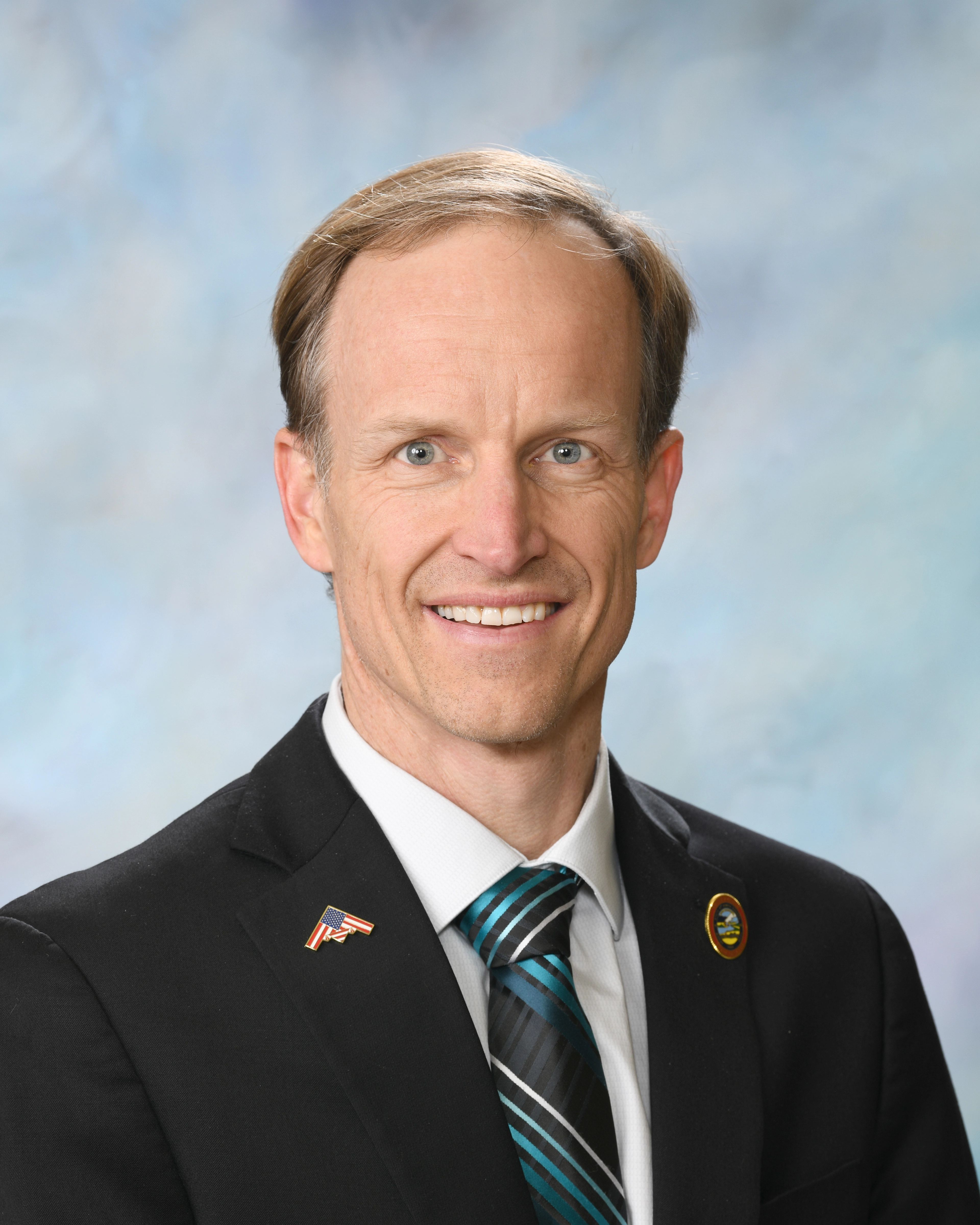
Helene Duhamel
88% support rate
Top opponent
John Carley
29% support rate
Ranked legislators
10
5 support · 5 oppose
Key legislators

Who's moving healthcare in South Dakota

Legislators moving healthcare in South Dakota
Legislator Party Stance Support rate Votes
Helene Duhamel
Helene Duhamel Senate · District 32
R
Strong +
88% 26
Liz Larson
Liz Larson Senate · District 10
D
Strong +
86% 29
Jamie Smith
Jamie Smith Senate · District 15
D
Strong +
83% 41
Tim Reed
Tim Reed Senate · District 7
R
Strong +
82% 36
Scott Moore
Scott Moore House · District 23
R
Strong +
81% 52
John Carley
John Carley Senate · District 29
R
Oppose
29% 29
Bethany Soye
Bethany Soye House · District 9
R
Oppose
29% 19
Taffy Howard
Taffy Howard Senate · District 34
R
Oppose
31% 28
Tina Mulally
Tina Mulally House · District 35
R
Oppose
31% 40
Tony Randolph
Tony Randolph House · District 35
R
Oppose
35% 48
Showing 9 of 9 bills

All healthcare bills

signed · South Dakota · House Mar 30, 2026

HB 1274: prohibit the dispensing, distribution, sale, or advertisement of certain articles or things for purposes of an unlawful abortion and provide a criminal and civil penalty therefor.

HB 1274 prohibits the delivery or distribution of abortion-inducing medicine, drugs, or substances into South Dakota for purposes of an illegal abortion, with exceptions for self-administration by a pregnant person, life-saving medical procedures, or miscarriage management. It establishes a Class 6 felony for violating this prohibition, imposes civil penalties up to $10,000 per dose, and allows civil lawsuits for wrongful death of an unborn child by specific parties (e.g., parents, the pregnant person, or their estate). The bill directly affects medical providers, pharmacies, and anyone transporting such substances into the state, while exempting individuals acting in self-defense or under medical necessity. The attorney general may seek injunctions to stop violations and collect civil penalties for deposit into a state fund.
Sub-Topics Women's Health
signed · South Dakota · House Mar 30, 2026

HB 1257: amend the definition of an abortion.

HB 1257 redefines "abortion" in South Dakota law to include any action intending to terminate a pregnancy with knowledge it will likely cause the unborn child's death, while excluding specific medical treatments (like miscarriage care, ectopic pregnancy treatment, or procedures to save the unborn child's life). It requires physicians to determine that a pregnancy poses a "reasonably foreseeable risk of death" to the mother before permitting an abortion, mandates attempts to preserve both lives when possible, and mandates hospital-based reporting to the Department of Health. The bill directly affects pregnant individuals, physicians, and hospitals by setting strict medical criteria for legal abortions and prohibiting abortions based solely on psychological conditions or self-harm fears. It does not criminalize all abortions but creates a narrow exception for life-threatening conditions, with violations classified as Class 6 felonies.
failed · South Dakota · House Jan 29, 2026

HJR 5002: proposing and submitting to the voters at the next general election an amendment to the Constitution of the State of South Dakota, repealing the requirement to provide expanded medicaid.

This bill proposes a constitutional amendment to remove South Dakota's legal requirement to provide expanded Medicaid coverage. It specifically targets Section 10 of Article XXI, which currently mandates that the state provide Medicaid benefits to adults aged 18-65 with incomes at or below 133% of the federal poverty level. If approved by voters, the amendment would eliminate this constitutional obligation, allowing the state to potentially modify or discontinue the expanded eligibility rules. The change directly affects low-income South Dakota adults who currently qualify under the existing Medicaid expansion.
Sub-Topics Medicaid
passed · South Dakota · Senate Feb 11, 2026

SB 181: cause the repeal of the medical cannabis chapter upon the federal re-scheduling of cannabis.

SB 181 would end South Dakota's medical cannabis program if the federal government reclassifies cannabis as a Schedule III drug under federal law. It specifically repeals the state's medical cannabis chapter (Chapter 34-20G) upon confirmation by the attorney general that the U.S. Food and Drug Administration has made this federal change. The law requires the Department of Health to notify all current medical cannabis cardholders and licensed businesses about the repeal and its effective date. This change only affects South Dakota's medical cannabis program and would not impact recreational cannabis laws or other state regulations.
passed · South Dakota · Senate Feb 11, 2026

SB 194: limit the potency of cannabis products sold at medical cannabis dispensaries.

SB 194 limits THC potency in medical cannabis products sold at South Dakota dispensaries. It prohibits dispensaries from selling cannabis flower with over 30% THC, liquid concentrates over 60% THC, edibles exceeding 5mg THC per serving or 100mg per container, and cannabis oil over 5% THC. These specific THC thresholds apply directly to products sold at licensed medical dispensaries. The bill aims to restrict the strength of cannabis products available through the state's medical program.
failed · South Dakota · House Mar 9, 2026

HB 1160: repeal the medical marijuana oversight committee.

HB 1160 repeals the legal requirement for a medical marijuana oversight committee in South Dakota. The bill ends a committee that was mandated to meet twice yearly to evaluate the medical cannabis program, including patient access, dispensary operations, testing facilities, and regulatory safeguards. This change removes the committee's structure and duties, which included making recommendations to the legislature about the program's effectiveness and regulations. The repeal applies to the medical cannabis program established under existing law.
passed · South Dakota · House Feb 5, 2026

HB 1212: revise provisions in order to strengthen protections for unborn children.

HB 1212 repeals a provision that previously shielded women from criminal liability for unlawful abortions. It removes the exception that prevented homicide charges when an abortion caused an unborn child's death, making such cases subject to standard homicide laws (Class B felony). The bill directly affects women seeking abortions and medical providers performing them, as it eliminates prior legal protections for abortion-related deaths. Exceptions for lifesaving procedures to preserve the mother's life or spontaneous miscarriages remain unchanged.
failed · South Dakota · House Feb 20, 2026

HB 1210: prohibit COVID-19 vaccination requirements and to provide a penalty therefor.

HB 1210 bans employers, schools, state agencies, and other entities from requiring COVID-19 vaccinations as a condition for employment, enrollment, or accessing services. It directly affects workers, students, and individuals seeking public benefits or services. Violating this ban would result in a Class 2 misdemeanor penalty. The law overrides existing requirements and takes effect immediately upon enactment.
Sub-Topics Public Health
in committee · South Dakota · House Feb 10, 2026

HB 1153: protect certain rights of healthcare providers.

HB 1153 protects healthcare providers' right to refuse participation in or payment for medical services that conflict with their moral, ethical, or religious beliefs (Section 2). It applies broadly to all healthcare professionals (like doctors, nurses, pharmacists), healthcare entities (hospitals, clinics), and organizations arranging medical payments (Section 1). The bill prohibits discrimination against providers who exercise this right, engage in protected speech about it, report violations, or disclose conscience-related concerns to authorities (Section 3). It clarifies that employers may accommodate this right through reassignment or schedule changes but cannot retaliate, while not affecting existing duties to provide non-conflicting care.