Issue · Technology

Technology

Every technology bill, vote, and legislator stance in South Carolina, automatically classified by Maddy, our AI policy reader.

Total bills
21
119th Congress
Top supporter
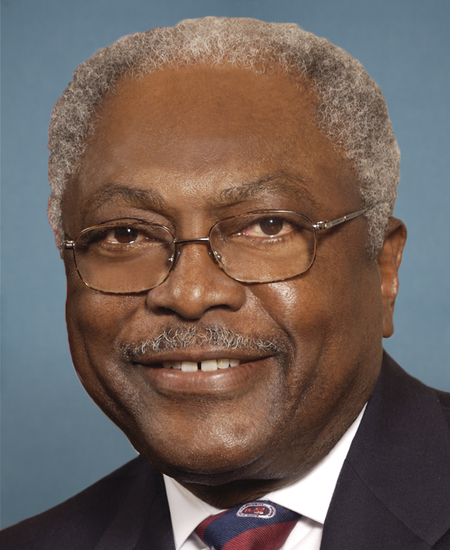
James E. Clyburn
77% support rate
Top opponent
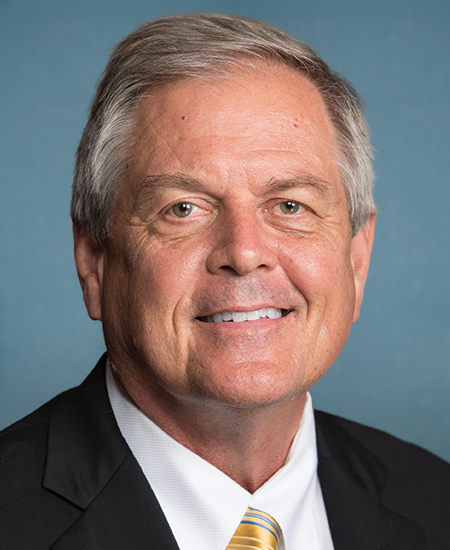
Ralph Norman
25% support rate
Ranked legislators
6
1 support · 5 oppose
Key legislators

Who's moving technology in South Carolina

Legislators moving technology in South Carolina
Legislator Party Stance Support rate Votes
James E. Clyburn
James E. Clyburn House · District 6
D
Support
77% 259
Ralph Norman
Ralph Norman House · District 5
R
Oppose
25% 232
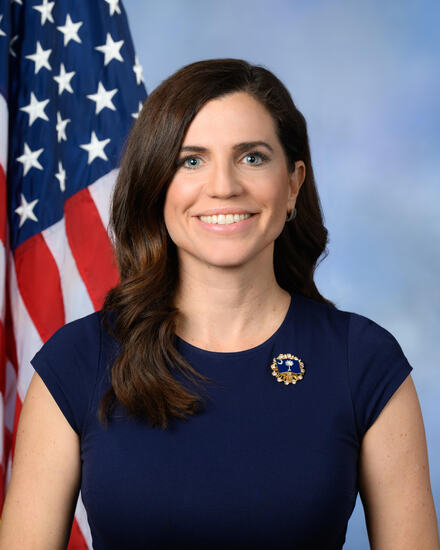
Nancy Mace
Nancy Mace House · District 1
R
Oppose
26% 218
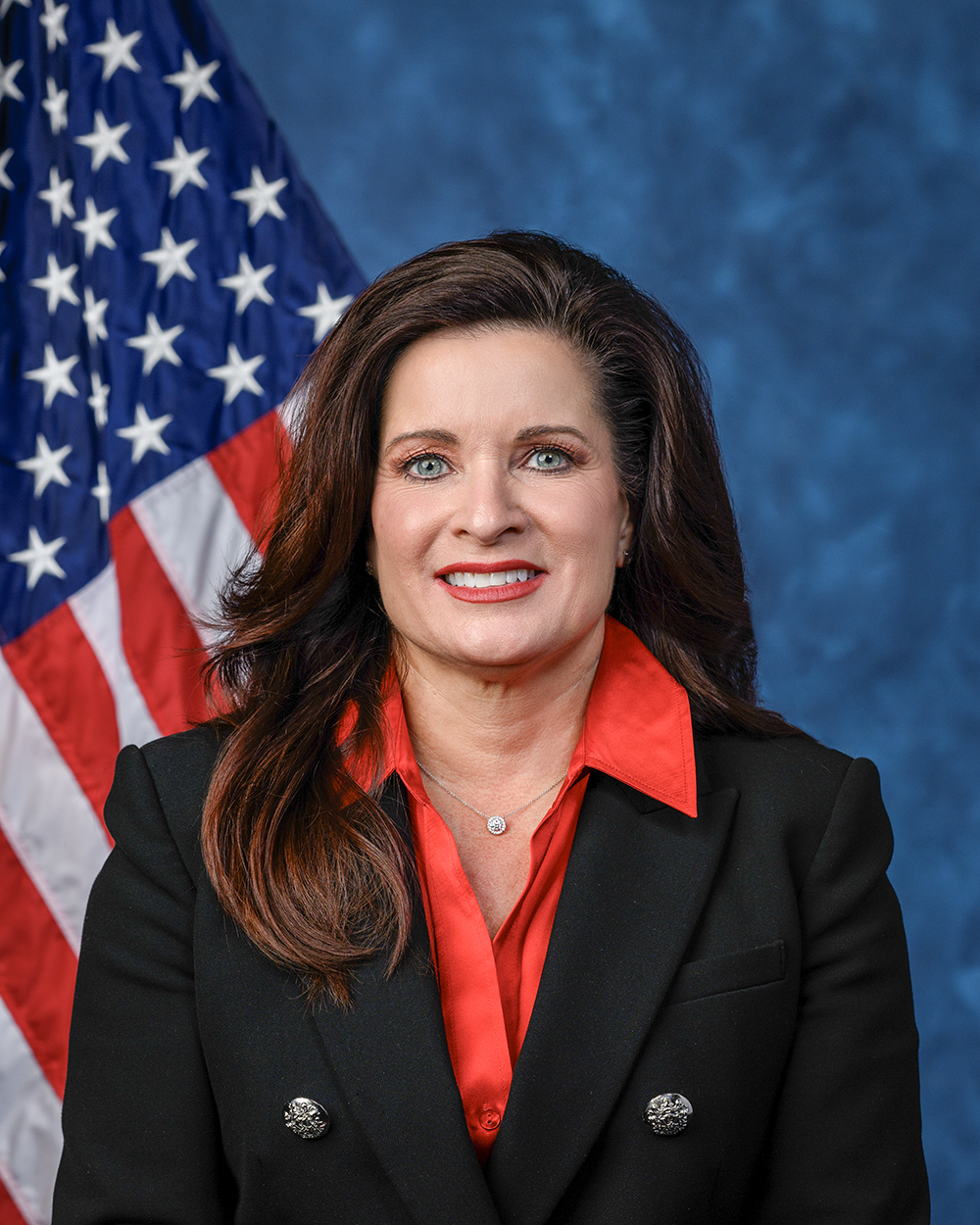
Sheri Biggs
Sheri Biggs House · District 3
R
Oppose
27% 263
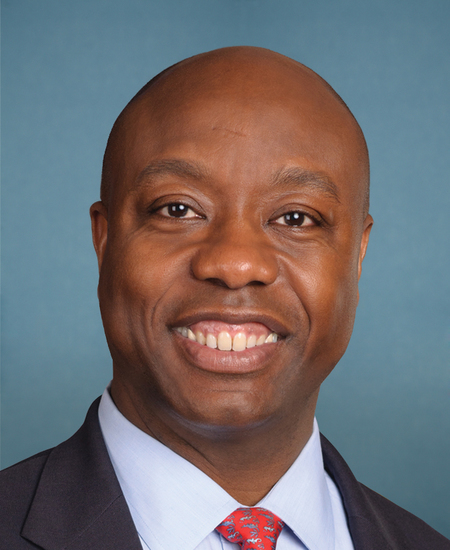
Tim Scott
Tim Scott Senate
R
Oppose
31% 229
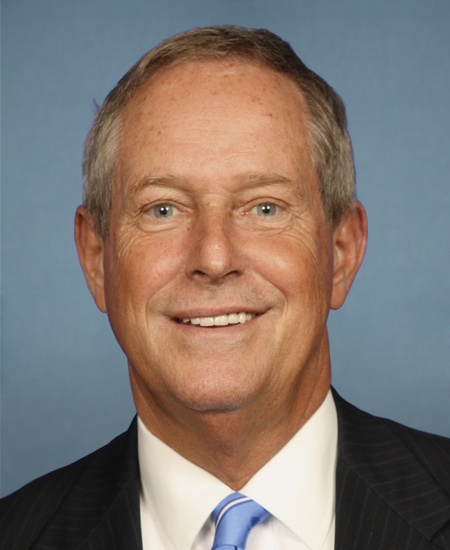
Joe Wilson
Joe Wilson House · District 2
R
Oppose
32% 254
Showing 1–10 of 21 bills

All technology bills

in committee · United States · House Aug 3, 2026

HR 10017: Permanent CBDC Ban Act

This bill, titled the Permanent CBDC Ban Act, aims to permanently prohibit the Federal Reserve from issuing a central bank digital currency. It achieves this by amending the Federal Reserve Act to remove the specific legal authority that allows the Reserve to create such a digital currency. The legislation directly affects the Federal Reserve by stripping away its power to launch a digital version of the dollar. By deleting the relevant subsection of the law, the bill ensures that the Reserve cannot issue a CBDC in the future.
in committee · United States · Senate Mar 12, 2025

S 990: Freedom to Haul Act of 2025

S 990, the Freedom to Haul Act of 2025, prohibits the Environmental Protection Agency (EPA) from implementing or enforcing Phase 3 greenhouse gas emissions standards for heavy-duty vehicles (finalized in April 2024). It amends the Clean Air Act to require that future emissions rules for vehicles cannot mandate specific technologies or limit the availability of new trucks based on engine type. This directly affects EPA regulatory authority and vehicle manufacturers, ensuring a broader range of new truck options remains available. The bill focuses on preventing regulatory restrictions on vehicle choice, not on emissions outcomes.
in committee · United States · House Jan 24, 2025

HR 729: Teleabortion Prevention Act of 2025

HR 729, the Teleabortion Prevention Act of 2025, prohibits healthcare providers from administering chemical abortions (using drugs to terminate pregnancy) via telehealth or remote means without being physically present during the procedure. It requires providers to physically examine the patient, be present at the location of the abortion, and schedule a follow-up visit within 14 days. The bill directly affects healthcare providers offering telemedicine abortion services, imposing fines up to $1,000 or up to 2 years in prison for violations. Exceptions apply for life-threatening medical emergencies, and the law explicitly excludes treatment for verified ectopic pregnancies. This bill targets the remote provision of abortion drugs, making in-person provider presence mandatory for such procedures.
passed · United States · House Jul 17, 2025

HR 1919: Anti-CBDC Surveillance State Act

HR 1919, the "Anti-CBDC Surveillance State Act," prohibits the Federal Reserve from developing, testing, or issuing any central bank digital currency (CBDC) or similar digital assets. It specifically bans the Fed from offering direct financial products to individuals, maintaining individual accounts, or issuing CBDCs directly or indirectly through intermediaries like banks. The bill also blocks the Fed from using any digital asset for monetary policy and clarifies that physical currency's privacy protections remain intact. This policy directly affects the Federal Reserve System's ability to create or manage digital monetary tools.
in committee · United States · House Mar 6, 2025

HJRES 74: Disapproving the rule submitted by the Bureau of Consumer Financial Protection relating to "Prohibition on Creditors and Consumer Reporting Agencies Concerning Medical Information (Regulation V)".

H.J.Res. 74 disapproves a rule by the Bureau of Consumer Financial Protection (BCFP) that would have prohibited creditors and consumer reporting agencies from using medical information - such as unpaid medical bills - in credit reports and credit scoring. The rule, published in the Federal Register on January 14, 2025, aimed to prevent medical debt from affecting credit scores. If enacted, this resolution would block the rule from taking effect, maintaining the current practice where medical debt can influence credit decisions. This disapproval follows standard Congressional Review Act procedures for overturning agency rules.
in committee · United States · House Apr 10, 2025

HR 2841: Putting Trust in Transparency Act

HR 2841, the "Putting Trust in Transparency Act," requires nonprofits receiving any federal funding to publicly disclose unredacted donor information (including name, zip code, and contribution amount) within 60 days of filing their annual IRS Form 990. This applies specifically to tax-exempt organizations that receive federal funds, making their major donors' details accessible to the public. Nonprofits failing to file the required Schedule B of Form 990 face automatic revocation of their tax-exempt status after a 60-day grace period. The bill aims to increase transparency around how federal funds are leveraged by nonprofits, requiring disclosure that was previously restricted under IRS rules. It amends tax code provisions to enforce this disclosure and maintain public access to donor information.
Tags Government Transparency
in committee · United States · House Mar 14, 2025

HR 1116: REAL Meat Act of 2025

HR 1116, the REAL Meat Act of 2025, prohibits federal funding for cell-cultured meat (lab-produced meat) by banning government support for its research, production, promotion, or inclusion in USDA programs. It directly affects federal agencies like the Department of Agriculture and research programs by blocking funds for any activity related to cell-cultured meat, except for NASA's space-related use. The bill defines cell-cultured meat as meat grown from animal cells in a lab, ensuring the funding restriction applies specifically to this method. The sole exception allows NASA to fund cell-cultured meat intended for consumption off-planet. This policy change restricts government financial support but does not ban the sale or consumption of cell-cultured meat products.
Tags Agriculture
in committee · United States · Senate Mar 11, 2025

SJRES 36: A joint resolution providing for congressional disapproval under chapter 8 of title 5, United States Code, of the rule submitted by the Bureau of Consumer Financial Protection relating to "Prohibition on Creditors and Consumer Reporting Agencies Concerning Medical Information (Regulation V)".

This joint resolution seeks to block a rule issued by the Consumer Financial Protection Bureau (CFPB) that would have prohibited creditors and credit reporting agencies from using medical debt in credit reports. The CFPB rule, published in January 2025, aimed to prevent medical information from affecting consumers' credit scores. If approved, this resolution would nullify the rule, meaning creditors and credit bureaus could continue using medical debt in credit decisions. The measure directly affects credit reporting practices and consumer credit evaluations.
in committee · United States · House Mar 26, 2025

HR 2350: Cellphone Jamming Reform Act of 2025

The Cellphone Jamming Reform Act of 2025 allows state and federal correctional facilities to operate jamming systems that block cell signals from entering or leaving the facility, specifically targeting contraband devices used by inmates. It directly affects prisons and jails by enabling them to disrupt unauthorized wireless communications without FCC approval, provided the jamming is limited to housing areas within the facility. Key requirements include state facilities covering all costs themselves, consulting with local law enforcement before implementation, and notifying the Bureau of Prisons. The law aims to address security risks from smuggled phones while restricting jamming to only necessary areas and requiring transparency.
in committee · United States · Senate Mar 26, 2025

S 1137: Cellphone Jamming Reform Act of 2025

This bill allows state and federal correctional facilities (like jails and prisons) to operate cellphone jamming systems to block wireless signals used for contraband devices or by incarcerated individuals. It restricts the FCC from preventing this use, but requires jamming systems to be limited to housing areas within the facility. Facilities must fund the systems entirely themselves (if state-run), consult local law enforcement before implementation, and notify the Bureau of Prisons about operations. The law specifically targets blocking signals to/from contraband devices or inmates, not general cellphone use.
Sub-Topics Telecommunications
Showing 1 to 10 of 21 bills
1 2 3 Next