

Maddy summaryThis bill establishes minimum energy and water efficiency standards for a specific list of products sold or installed in Pennsylvania, including commercial kitchen equipment, lighting, and plumbing fixtures. It requires that these items meet performance benchmarks to reduce utility waste, lower costs for consumers and businesses, and decrease strain on energy and water infrastructure. The legislation mandates testing, certification, and labeling for compliance while imposing penalties for violations, though it excludes products manufactured in-state for out-of-state sale and those designed for recreational vehicles.
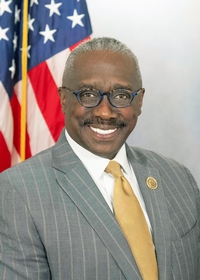
Rep. Dan Williams
Sponsored bills
Maddy summaryThis bill, known as the Travel Price Integrity Act, aims to protect consumers from sudden price hikes when booking transportation online. It prohibits travel service providers, such as airlines or ride-sharing apps, from changing prices while a user is viewing or purchasing a service for at least 30 minutes after they first visit the website. Additionally, companies must notify customers at least five minutes before this 30-minute window ends if a price change is planned. Violations of these rules would be treated as unfair trade practices under existing state consumer protection laws.
Maddy summaryThis Pennsylvania bill amends the state's Tax Reform Code to establish a new tax credit called PROSPER, designed to support displaced workers and promote renewable energy opportunities. The legislation defines "displaced workers" as individuals who have lost their jobs due to layoffs, plant closures, or industry shifts, while also specifying criteria for "green jobs" and "fossil fuel or pollution intensive industries." Under this plan, eligible individuals can receive a tax credit to help offset their tax liability, aiming to provide financial relief and encourage employment in resilient sectors. The bill directly affects the Department of Revenue, which will administer the credit, and the workers and businesses that meet the specific definitions set forth in the new article.
Maddy summaryThis bill updates Pennsylvania's Human Services Code to help long-term care nursing facilities manage unpaid care costs while waiting for medical assistance decisions. It allows facilities to request payments for uncompensated care after an application has been pending for at least sixty days due to delays or denials with appeals. If the application is eventually denied, the state can recover these payments, but if approved, the state will offset future benefits by the amount already paid. Additionally, the bill requires the state to provide nursing homes with specific application status updates within five business days if the facility has obtained the applicant's permission to share that information.
Maddy summaryThis bill amends the Water Services Act to clarify how municipal authorities approve certain actions. It specifically adjusts the language regarding which cities are subject to these approval requirements by modifying references to city classifications. The changes involve technical edits to the text to ensure accurate definitions and procedural rules for municipal oversight.
Maddy summaryThis bill modifies Pennsylvania's Human Services Code to establish a system of copayments for families receiving subsidized child care. The primary mechanism involves setting weekly fees that vary based on a family's income, with the amount capped at a specific percentage of their annual earnings. Additionally, the legislation allows for reduced copayments for parents who work additional wage-earning hours beyond minimum requirements, provided they meet certain income and documentation standards. Families must have an annual income below a defined threshold to qualify for these subsidies, and the department retains the discretion to adjust fee structures and eligibility limits based on available funding.
Maddy summaryThis bill creates the Rural Population Revitalization Commission to study and address population decline in Pennsylvania's rural areas, which are defined as counties with fewer than 291 people per square mile. The commission will gather input from various stakeholders, hold public hearings, and produce biennial reports offering recommendations on issues such as healthcare access, affordable housing, education, and job opportunities. Its membership includes representatives from government agencies, higher education, business, and community organizations, all serving without pay for two-year terms. Additionally, the legislation establishes a Rural Population Revitalization Fund to support the commission's operations and initiatives aimed at attracting and retaining residents in rural communities.
Maddy summaryThis bill directs the Legislative Budget and Finance Committee to conduct a study on reorganizing and consolidating Pennsylvania's school districts with the goal of reducing the total number to one hundred. The committee must complete this review and submit a report with findings and recommendations to the Governor, state education officials, and various legislative leaders within one year of the bill's effective date. Once the study concludes, the proposed changes to the school district structure will be based on the committee's report rather than the bill itself.
Maddy summaryThis bill amends Pennsylvania's Equal Pay Law to broaden protections against wage discrimination based on sex, race, or ethnicity by expanding the definition of comparable work to include similar working conditions such as exposure to hazards or extreme temperatures. It explicitly prohibits employers from asking job applicants about their prior salary history or requiring them to refrain from discussing their own or others' wages, while still allowing employers to consider voluntarily provided wage information if it supports a higher offer. The legislation also clarifies that job titles alone cannot determine if two roles are comparable and restricts the use of factors like seniority or merit systems if they result in illegal pay gaps without legitimate business justification. Additionally, the bill establishes an Equal Pay Enforcement Fund to support the collection of unpaid wages and outlines specific penalties for violations of these updated rules.
Maddy summaryThis bill authorizes Pennsylvania to join the Interstate Dental and Dental Hygiene Licensure Compact, a multistate agreement designed to simplify the process for dentists and dental hygienists to practice in multiple states. Under the compact, licensed professionals would be able to transfer their licenses more quickly by maintaining documentation in one central location and sharing information through a secure database to protect public safety. The agreement includes specific provisions to expedite licensure for military members and their spouses, eliminate duplicate fees, and ensure that each state retains the authority to regulate practice within its own borders. By adopting uniform examination standards and allowing for faster license portability, the legislation aims to increase access to dental care while maintaining individual state sovereignty over professional regulation.