

Maddy summaryHB 1728 amends the Public School Code of 1949 to update provisions specifically for community colleges. It clarifies definitions and establishes mechanisms for financial programs and reimbursement of payments related to these institutions. The bill directly affects community colleges by modifying how they manage state funding and reimbursement processes. This summary focuses solely on the bill's stated purpose as described in its title and recent referral.
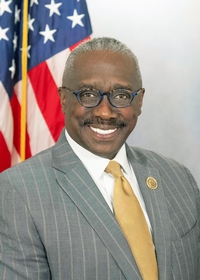
Rep. Dan Williams
Sponsored bills
Maddy summaryHB 1730 amends Pennsylvania's public utilities law to establish rules for service contracts between residential customers and providers of telecommunications, cable, and internet services. It directly affects homeowners and renters who use these services by requiring clearer terms and preventing unfair contract practices. Key provisions include banning automatic renewals without explicit customer consent and mandating plain-language disclosures about fees and cancellation policies. The bill aims to increase transparency and consumer choice in residential service agreements.
Maddy summaryHB 1729 would require online platforms in Pennsylvania to verify the age of users and set default privacy settings for children under 18, blocking strangers from messaging, viewing profiles, tagging, or transacting with them without parental approval. For children under 13, parents must approve all new connections and financial transactions, and can view their child's activity on the platform. The bill also prohibits platforms from using deceptive design features ("dark patterns") that undermine these protections and bans discrimination against minors in service quality or pricing. This applies to social media, gaming, and other platforms allowing public profiles and user interaction.
Maddy summaryHR 285 is a resolution directing the Joint State Government Commission to study whether creating a registry for individuals who abuse vulnerable populations (such as seniors, people with disabilities, or those in care facilities) would be practical. The study would examine how such a registry might function, including potential benefits and implementation challenges. This resolution does not establish a registry but would inform future legislative decisions about one. It directly affects vulnerable populations by potentially leading to new safeguards if the study recommends action.
Maddy summaryHB 20 legalizes adult cannabis use in Pennsylvania for individuals aged 21 and older, replacing current medical-only rules with a new regulatory system. It creates the Keystone Cannabis Authority to license businesses, enforce rules for product safety and advertising, and establish the Community Opportunity Fund to support equity programs in communities disproportionately impacted by past cannabis enforcement. The bill imposes new sales and excise taxes on cannabis products and creates a Cannabis Regulation Fund to manage revenue. It also includes provisions for expunging certain past cannabis convictions ("Cannabis clean slate") and consolidates medical and recreational cannabis regulations under the new authority.
Maddy summaryHB 1599 requires Pennsylvania electric distribution companies to join regional electricity grid operators (regional transmission organizations, or RTOs). It mandates that these companies submit annual reports by February 1st detailing all votes they cast or had affiliates cast at RTO meetings during the previous year. The reports must include a 20-100 word explanation of how each vote serves the public interest. The bill takes effect 60 days after enactment, aiming to increase transparency in utility decision-making within regional grid management.
Maddy summaryHB 1719 creates the Individual Property Disaster Assistance Fund to help Pennsylvania residents and municipalities repair property damage from disasters not covered by federal aid. The fund provides grants for individuals (with restrictions for flood-prone properties without required insurance) and municipalities affected by declared local or state disasters. Applicants must submit detailed requests through the Pennsylvania Emergency Management Agency, including property damage dates and eligibility verification. Funds operate on a first-come, first-served basis with potential caps or usage restrictions set by the agency. This replaces the previous Public Disaster Assistance Grant Program and specifically targets unmet needs where federal disaster declarations are absent.
Maddy summaryHB 1711 creates a program that pays vendors who supply concrete with at least 20% lower carbon emissions than the regional average for state-funded construction projects. The concrete must be verified through an environmental product declaration, and vendors must deliver at least 50 cubic yards (or equivalent precast) for qualifying projects. The Pennsylvania Department of General Services will manage the payments, which are intended to incentivize lower-carbon concrete use. This bill directly affects state procurement agencies and concrete suppliers working on Commonwealth-funded projects.
Maddy summaryHB 1712 updates Pennsylvania's emergency communication rules under Title 35 (Health and Safety). It requires the state emergency management agency to maintain a single integrated system for weather advisories, disaster warnings, and coordination with local agencies, police, and the National Weather Service. The bill mandates two new statewide phone numbers: one for the public and emergency personnel to report hazardous materials or disasters, and another for the legislative branch to directly communicate with the agency during weather emergencies. These changes directly affect county/municipal emergency responders, state agencies (including the State Police), and legislative offices. The law takes effect 60 days after enactment.
Maddy summaryThis resolution designates the week of September 15-19, 2025, as "Clean Energy Week" in Pennsylvania. It is a ceremonial designation with no new policies, funding, or direct impact on residents or businesses. The resolution highlights Pennsylvania’s existing clean energy sector - including solar, wind, and geothermal resources - and notes the state’s growth in clean energy jobs and production. It does not alter laws or create new obligations; it solely aims to recognize ongoing efforts in the clean energy field.