

Maddy summaryHB 1466 requires mortgage lenders in Pennsylvania to provide mandatory housing counseling to applicants before processing reverse mortgage loans. Specifically, licensees must arrange in-person, phone, or video counseling from a HUD-approved agency, covering reverse mortgage details and alternatives, and issue a certificate documenting the session. This applies to all applicants for reverse mortgages - loans secured by home equity that don’t require repayment until later - and mandates lenders to keep counseling records for the loan’s duration. The bill directly affects mortgage lenders and reverse mortgage applicants, aiming to improve consumer understanding of this complex financial product.
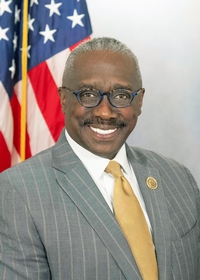
Rep. Dan Williams
Sponsored bills
Maddy summaryHB 1591 amends Pennsylvania's vehicle laws to specifically include rules for private parking lots within the "rules of the road" section. It directly affects owners and operators of private parking lots (like those at shopping centers or apartment complexes) by allowing them to establish their own parking rules without needing separate municipal permits. The key provision moves private lot regulations under the state vehicle code, clarifying that lot operators can set rules for parking duration, access, and enforcement. This changes how local authorities and lot managers handle parking governance, shifting it from general municipal oversight to a defined state regulatory framework.
Maddy summaryHB 1749 amends Pennsylvania's 1971 Tax Reform Code to modify sales and use tax exclusions and create a new tax credit specifically for the steel industry. The bill establishes a "fueling opportunities" tax credit aimed at supporting steel businesses engaged in revitalization, growth, and operational efficiency. This credit directly affects steel manufacturers and related businesses by potentially reducing their tax burden for qualifying activities. The bill focuses on concrete tax code changes rather than broader policy shifts, with its key mechanism being the new credit program within the existing tax framework.
Maddy summaryHB 1748 amends Pennsylvania's Public School Code to establish a Pilot Program supporting homeless youth pursuing higher education. The bill directly affects homeless youth in Pennsylvania who are seeking or enrolled in post-secondary education programs. Key provisions include providing state funding for supportive services like housing assistance, counseling, and academic support through designated educational institutions. The program aims to address barriers to higher education access for this vulnerable population by creating a structured, state-supported pathway. The bill was recently referred to the Education committee for further review.
Maddy summaryHB 1058 amends Pennsylvania's State Lottery Law to adjust the minimum percentage of lottery revenues dedicated to senior programs. It reduces the required allocation from 20% (for fiscal years 2019-2025) to 10% for fiscal years beginning after June 30, 2025. This directly affects seniors aged 65+ who receive property tax relief and reduced-fare transit services funded by lottery revenues. The change modifies Section 303(a)(11)(iv) of the law, specifying the new funding percentage starting in 2026. The bill became law on July 21, 2025, as Act No. 37 of 2025.
Maddy summaryHB 1744 modifies Pennsylvania's parole eligibility rules for second-degree murder convictions. It allows parole consideration after 25 years of imprisonment if the person has no felony convictions in the prior 25 years (excluding convictions from the same criminal episode), is not a principal offender in the murder, and isn't subject to specific other offenses like assault by life prisoner or witness intimidation. The bill does not apply to those convicted under certain sections (e.g., 2704, 4952(b)). It directly affects second-degree murder convicts meeting all specified conditions. The bill takes effect 60 days after enactment.
Maddy summaryHB 1429 requires the state agency administering public assistance programs (like food stamps or cash aid) to submit a report detailing a transition plan to replace current access cards with secure chip-enabled electronic cards. The bill directly affects recipients of public assistance and the agencies managing these programs by mandating a formal report on how the switch to chip cards will be implemented. Key provisions include specifying the report must cover timelines, costs, and how the transition will ensure continued access for beneficiaries. This is a procedural bill focused on reporting requirements, not altering benefit eligibility or funding.
Maddy summaryHB 1743 requires Pennsylvania public and charter schools to implement comprehensive school counseling plans developed by certified counselors. The bill mandates that school counselors spend at least 80% of their time on direct student services (like classroom instruction, individual counseling, and career planning) and indirect services (such as consultations with parents or staff). Each school entity must create an annual, K-12-aligned plan addressing academic, career, and social-emotional needs, including special populations like students with individualized education plans. These plans must be reviewed yearly and integrated with existing school strategic planning. The law applies directly to all Pennsylvania school districts, charter schools, and intermediate units.
Maddy summaryHB 1574 creates a new loan program and fund to help local redevelopment authorities start community renewal projects. It establishes a Redevelopment Authority Startup Fund to provide low-interest loans for initiatives like rebuilding neighborhoods or revitalizing downtown areas. This directly affects cities and towns with active redevelopment agencies, giving them a new way to finance early-stage projects. The bill amends the Fiscal Code to set up this funding mechanism, changing how these local agencies access capital for urban renewal efforts.
Maddy summaryHB 1723 amends Pennsylvania's vehicle registration laws to clarify which vehicles qualify for exemption from registration requirements. It directly affects vehicle owners who currently hold or may qualify for registration exemptions under the updated provisions. The bill's key mechanism is refining the statutory language defining exempt vehicle types within Title 75 of the Pennsylvania Consolidated Statutes. This change aims to provide clearer guidance for both vehicle owners and state agencies administering registration rules. The bill is currently pending in the Transportation committee.