

Maddy summaryHB 2226 amends Pennsylvania's Unfair Trade Practices and Consumer Protection Law to explicitly prohibit pyramid schemes and similar deceptive promotional plans. The bill adds a new definition clarifying that schemes where participants pay to join and earn compensation primarily by recruiting others (rather than through product sales) are illegal, including "chain-letter plans," "pyramid clubs," and "pyramid promotional schemes." This change directly affects businesses operating such schemes and protects consumers from being misled by these fraudulent programs. The amendment specifically bans practices like requiring participants to pay for "opportunities" to recruit others, while excluding minimal initial payments of $25 or less.
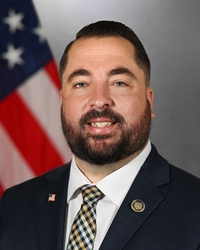
Rep. Dan Goughnour
Sponsored bills
Maddy summaryThis bill updates the legal definition of an emergency vehicle in Pennsylvania's vehicle code to include a wider range of specific vehicles and personnel. It clarifies that the term covers various types of response vehicles, such as those used for hazardous materials, blood delivery, and prisoner transport, as well as privately owned cars driven by top-ranking officials like police chiefs and fire captains during emergencies. The changes aim to ensure these specific vehicles have the same legal protections and rights as standard emergency vehicles when responding to urgent situations. The new definitions will officially take effect 60 days after the bill is signed into law.
Maddy summaryThis Pennsylvania House Resolution designates the week of May 17 through 23, 2026, as "Emergency Medical Services Week" to honor the work of emergency medical personnel. The measure directly affects first responders, EMTs, paramedics, and other healthcare providers who deliver critical care across the state. By officially recognizing this specific time period, the resolution aims to highlight the importance of emergency medical services without altering any laws or policies.
Maddy summaryHB 1678 adds a 45-mill tax plus a 5-mill surtax on gross receipts from digital advertising services displayed to users within Pennsylvania. It directly affects digital advertising providers (e.g., companies running banner or search ads) but exempts broadcast and news media entities. The tax applies to revenue from ads shown on digital interfaces (websites, apps) where users are located in Pennsylvania, excluding sales of internet access, telecom hardware, and resale services. The law takes effect for taxable years beginning after December 31, 2025.
Maddy summaryHB 911 provides health benefits for surviving family members of Pennsylvania law enforcement officers who die or become disabled in the line of duty. It guarantees surviving spouses lifetime full health coverage and dependent children full coverage until age 26 (if not covered by another employer plan). Municipalities must assist with claims processing, and benefits end at age 65. The bill applies to all full-time law enforcement officers and their families, including those widowed before the law's effective date. It codifies existing benefit standards under Pennsylvania law without creating new programs.
Maddy summaryHB 2193 creates a $100 tax credit per deer processed for Pennsylvania deer processors who donate all consumable venison from a single deer to an approved food charity (like those meeting requirements under the Institutions of Purely Public Charity Act). Processors must retain Pennsylvania Game Commission ear tags as proof and submit applications by September 15 for the prior year. The credit is limited to $5,000 per taxpayer annually and $200,000 total statewide each year, with unused credits potentially carried over for up to 15 years. This directly affects deer processors who donate meat to qualifying charities, providing a financial incentive for their donation services.
Maddy summaryThis Pennsylvania House Resolution formally recognizes June 15, 2026, as "World Elder Abuse Awareness Day" within the state. The measure directly affects the House of Representatives and serves to raise public awareness about elder abuse issues. It does not change laws or allocate funding, but rather expresses support for protecting older adults and encourages community vigilance and education against abuse.
Maddy summaryThis bill establishes a new Firefighter Cancer Screening Program and a dedicated Fund to provide cancer screening exams for eligible firefighters in Pennsylvania. The program defines eligible participants as firefighters from municipal, volunteer, or airport fire companies that meet specific criteria, such as having mutual aid agreements and responding to a minimum number of emergency calls. The Department of Health will issue benefits cards to these eligible individuals, allowing them to access medically necessary screenings using MRI or ultrasound at no cost to them. Additionally, the legislation outlines how the Budget Stabilization Reserve Fund should be managed and disposed of within special funds.
Maddy summaryHB 453 clarifies definitions in Pennsylvania law related to emergency services. It adds a specific definition for "telecommunicator" (including 911 dispatchers and call takers) and expands the definition of "emergency responder" to explicitly include telecommunicators, medical personnel, and other emergency workers in multiple sections of law. This bill directly affects emergency service workers like dispatchers, firefighters, and medical personnel by formally including them under defined terms for mental wellness programs and mutual aid protocols. The bill takes effect 60 days after enactment and does not create new policies or funding.
Maddy summaryThis bill creates a grant program to help Pennsylvania school districts and career and technical schools update their educational materials. Eligible schools can apply for funding to buy digital platforms or printed curricula that include lesson plans, multimedia content, and tools for tracking student progress. The amount each school receives is calculated based on its student enrollment and the total state funding available for the program. To qualify, schools must receive a recommendation from their local occupational advisory committee and certify that the funds will be used for approved curriculum modernization.