

Maddy summaryHB 700 creates a new, non-lapsing "Home and Community-Based Services for Individuals with Intellectual Disabilities Augmentation Account" within Pennsylvania's General Fund. It directs funds from the sale of former state centers for intellectual disabilities, annual transfers from the General Fund (based on prior-year funding levels), and operational cost savings from closed centers into this account. The money must be used by the Department of Human Services to provide home and community-based supports, housing assistance, and emergency waiting list services for individuals with intellectual disabilities. This bill directly affects people with intellectual disabilities receiving these services and the Department of Human Services managing the funds.
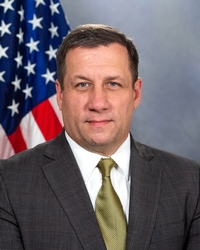
Rep. Paul Friel
Sponsored bills
Maddy summaryHB 656 amends Pennsylvania's Public School Code to allow trained school staff to administer emergency anti-seizure medication during seizures when a nurse is unavailable. It directly affects students with epilepsy in public schools who have been prescribed such medication, requiring parental request and adherence to approved training guidelines. The bill establishes that non-nurse staff may provide emergency assistance only after completing designated training and following protocols approved by the Department of Education. It specifies that nasal spray or similar FDA-approved treatments may be used, while ensuring students' rights under disability laws like IDEA and the Rehabilitation Act are upheld. The policy change is voluntary for staff and requires schools to notify parents about potential accommodations under 504 plans or IEPs.
Maddy summaryHB 663 requires bodywork facilities in Pennsylvania - including massage studios, spas, and similar businesses offering bodywork services like massage therapy or acupressure - to obtain a license from the Department of State. The bill establishes a licensing process involving background checks, application reviews, and regular inspections to ensure facilities meet health and safety standards, while prohibiting on-site dormitories. It excludes medical offices, solo practitioners who display their license in advertisements, and businesses offering only non-manipulative services (like topical skin treatments). Violations, such as operating without a license, could result in penalties, and the Department of State will oversee enforcement.
Maddy summaryHB 534 amends Pennsylvania's Election Code to provide braille absentee ballots for voters who are blind, visually impaired, or disabled. It requires these voters to submit a written request to their county board of elections at least 45 days before an election, including specific details like their address and a request for braille format. The Department of State will handle ballot preparation, distribution, and create accessible voting guides in multiple formats. This change directly affects eligible voters with visual or mobility disabilities, ensuring they can independently access absentee ballots.
Maddy summaryHB 544, the Health Care Practitioner Credentialing Act, requires all health insurers in Pennsylvania to accept the CAQH credentialing application (or a nationally recognized alternative) for health care practitioners seeking to join insurer networks. It sets clear timelines: insurers must notify practitioners within 10 business days if an application is incomplete, and make a final credentialing decision within 45 business days of receiving a complete application. The bill also mandates automatic credentialing for practitioners with multi-location practices and imposes penalties on insurers that fail to use CAQH or delay the process. It does not guarantee network access but standardizes the application and review process for practitioners and insurers.
Maddy summaryHB 465 (2025) amends Pennsylvania's Public School Code to redirect a portion of commercial property taxes collected by school districts to intermediate units for redistribution. School districts with commercial properties valued at $10 million or more must send increasing percentages of those taxes (starting at 10% in year one, rising to 70% by year seven) to their intermediate unit's commercial property tax group. The intermediate unit then redistributes these funds to school districts based on each district's average daily student enrollment relative to the total enrollment of all districts it serves. This bill directly affects school districts containing high-value commercial properties, changing how their commercial tax revenue is collected and allocated.
Maddy summaryThis resolution designates January 2025 as "School Director Recognition Month" in Pennsylvania. It honors the 4,500 locally elected school directors who volunteer to lead public school districts, set educational standards, manage budgets, and advocate for students. The resolution does not create new laws or funding; it is a symbolic gesture to acknowledge their service. The House will send a copy to the Pennsylvania School Boards Association to support the recognition effort.
Maddy summaryHR 41 is a resolution directing Pennsylvania's Joint State Government Commission to study emergency child care needs and develop recommendations. The study will examine current availability (including Pennsylvania's 12 crisis nurseries), staffing challenges (like low wages averaging $12.43/hour), funding sources (including federal programs), and how other states license facilities. It requires the Commission to form an advisory committee with child care providers, parents, health/human services officials, and county representatives. The Commission must submit its report to the House within 18 months. This resolution does not create new laws but aims to inform future policy decisions.
Maddy summaryHB 341 requires Pennsylvania public schools to install certified point-of-use filters on all drinking water outlets by January 1, 2027, and replace older fountains without filters with bottle-filling stations or filtered fountains (at least one per 100 students/staff). It establishes a $10 million annual Safe Schools Drinking Water Fund to provide grants for filter installation and fountain replacement, prioritizing schools built before 2014 and those serving prekindergarten students. The bill also mandates schools to publicly report their compliance plans, filter maintenance schedules, and lead risk information online, while new outlets must meet strict lead-leaching standards (NSF 61). This directly affects all Pennsylvania public school entities, focusing on reducing lead exposure in drinking water.
Maddy summaryHB 315 amends Pennsylvania's sales tax discount rules to provide clearer, tiered incentives for businesses that file and pay taxes promptly. It replaces the previous discount structure with a new system offering fixed per-return discounts: $25 for monthly filers, $75 for quarterly filers, and $150 for semiannual filers. Additionally, it adds a revenue-based discount: 1% on the first $1 million of taxable sales, plus 0.25% on amounts above that threshold. This bill directly affects businesses required to file and pay sales tax in Pennsylvania, making prompt payment more financially beneficial through these specific, predictable discount tiers.