

Maddy summaryHB 1281 establishes clear duties for Pennsylvania law enforcement, prosecutors, and courts (referred to as "certifying agencies") when processing certification forms required for U visas. The bill directly affects crime victims seeking U visas (which require certification that they were helpful to investigations), their legal representatives, and the agencies handling these requests. Key provisions require certifying officials to respond to petitions, develop and publicly post a detailed processing protocol (including online), and maintain records of all certifications. This bill does not change U visa eligibility but standardizes how Pennsylvania agencies handle the certification process for victims of qualifying crimes.
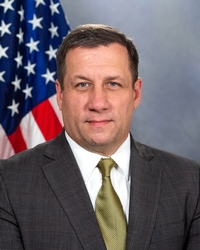
Rep. Paul Friel
Sponsored bills
Maddy summaryHB 1279 requires Pennsylvania colleges and universities, as well as private licensed schools, to implement evidence-based education programs on sexual misconduct (including consent, bystander intervention, and risk prevention) for all students and staff. The bill mandates staff training, establishes confidential resource advisors for victims, and requires institutions to create online reporting systems and conduct annual climate surveys. It also sets data reporting requirements for schools to track incidents, creates a Task Force on Postsecondary Sexual Misconduct, and provides academic waivers for student victims to avoid penalties related to incidents. These provisions aim to standardize prevention, response, and support across institutions.
Maddy summaryHB 31 proposes a constitutional amendment to replace Pennsylvania's current Legislative Reapportionment Commission - which includes legislative leaders - with an Independent Redistricting Commission. The new commission would draw state legislative and congressional district boundaries after each federal census, following specific redistricting criteria outlined in the amendment. This change aims to reduce partisan influence by removing direct legislative control over redistricting. The bill does not detail the exact criteria but requires the commission to adhere to them when creating district maps.
Maddy summaryHB 411 adds a new supplemental annuity for eligible Pennsylvania state retirees, starting July 2025. It applies to retirees who retired before July 2, 2001, have specific service credit (excluding certain classifications), and are receiving monthly payments on July 1, 2025. The amount equals a percentage (ranging from 15% to 24.5%) of their July 2025 monthly annuity, based on their retirement date. The benefit is paid automatically unless retirees opt out, and the cost will be funded over 10 years starting July 2026. This bill does not apply to survivors or retirees with certain service types.
Maddy summaryHB 1155 establishes a legal framework for community solar programs in Pennsylvania, allowing multiple subscribers (including renters and low-income households) to share ownership of solar facilities and receive bill credits for the electricity generated. The bill requires electric distribution companies to implement these programs, mandates prevailing wage standards for solar installation workers, and sets protections to ensure subscribers receive guaranteed savings. It directly affects utility companies, community solar organizations, and subscribers - particularly those who cannot install rooftop solar due to housing constraints or income limits. Key provisions include preventing single subscribers from owning over 50% of a facility, requiring at least 50% of capacity to serve small subscriptions (25 kW or less), and ensuring ratepayer costs are managed responsibly.
Maddy summaryHB 109 creates a new permit review process for specific industrial facilities in Pennsylvania's designated "environmental justice areas" - communities with high pollution burdens and vulnerable populations (low-income, communities of color). It requires the Department of Environmental Protection to consider cumulative environmental and public health impacts when reviewing permits for facilities like large wastewater plants (50,000+ gal/day), major air polluters, waste sites (25+ tons/month), mining operations, and certain landfills. The bill mandates that permits in these areas must address disproportionate environmental impacts, as defined by demographic, economic, health, and environmental data. This directly affects developers and operators of industrial facilities seeking new or expanded permits in designated communities.
Maddy summaryHB 1115 sets limits on the reserve funds that cyber charter schools in Pennsylvania can hold at the end of each school year. Starting with the 2024-2025 school year, these schools must keep general unspent reserves below 8% of total budgeted expenditures, combined funds set aside for specific purposes below 4%, and total reserves below 12%. The bill defines key terms like "funds set aside for specific purposes" to clarify how the limits apply. It directly affects cyber charter schools, which are publicly funded online schools operating under Pennsylvania's charter system.
Maddy summaryThis resolution directs Pennsylvania's Legislative Budget and Finance Committee to study a potential change to school funding. It would require the committee to collect data on all school districts' property tax revenue, calculate regional tax rates, and model how pooling that revenue at the intermediate unit level (regional education groups) and distributing it based on student enrollment would affect funding. The study aims to evaluate whether this approach would make school funding more equitable, addressing a court-ordered obligation to fairly fund public education. The committee must report findings within one year, but the resolution itself does not change current funding rules.
Maddy summaryHB 1097 creates a new minor criminal offense in Pennsylvania for organizing or operating events where live pigeons are used as targets for shooting contests, either for amusement or skill testing. This applies to anyone who willfully runs such events at a designated location, including using mechanical aids to present pigeons to shooters. The bill explicitly excludes legal hunting under state game laws, dog training activities, or permitted special events. It takes effect 60 days after enactment.
Maddy summaryHB 1110 requires Pennsylvania's Department of Military and Veterans Affairs to implement a public awareness campaign about military sexual trauma (defined as sexual assault or harassment during military service). The campaign must promote survivor acceptance, encourage active military members to report incidents, and provide information about available support resources. The department must design accessible materials (multilingual, mobile-friendly, and culturally appropriate) for its website, consult with advocacy groups and veterans with lived experience, and submit detailed reports within 180 days and one year of implementation. This bill directly affects active military members, veterans, and the public by improving access to trauma support and raising community awareness.