

Maddy summaryThis bill establishes the Ebony Alert System, a program operated by the Pennsylvania State Police to quickly notify the public and other agencies when specific young people of color go missing. The system is designed for individuals between the ages of 12 and 25 who are missing under suspicious circumstances, are at risk due to disabilities, or may be victims of human trafficking. When activated, law enforcement can request alerts through various media channels, while the Department of Transportation can assist with electronic signs. To fund this initiative, the bill imposes a $25 fee on individuals convicted of kidnapping offenses, with the money directed to the State Police. Additionally, the legislation prohibits unauthorized use of the alert system and sets a $5,000 penalty for violations.
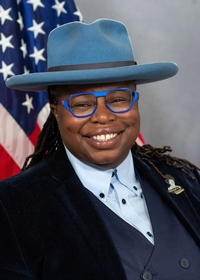
Rep. La'Tasha Mayes
Sponsored bills
Maddy summaryThis bill designates October 12, 2024, as "1982 Cheyney State College Lady Wolves Women's Basketball Team Day" in Pennsylvania to honor the team's historic achievements. It recognizes the 1982 squad as the first HBCU women's basketball team to reach the NCAA Division I Final Four during the inaugural tournament. The resolution also highlights the legacy of Coach C. Vivian Stringer and acknowledges the team's induction into the Women's Basketball Hall of Fame. This measure serves as a commemorative tribute rather than implementing new laws or funding changes.
Maddy summaryThis Pennsylvania bill creates a new Employee Misclassification Working Group to coordinate efforts among state agencies in identifying and addressing cases where workers are incorrectly classified as independent contractors rather than employees. The legislation mandates that the Department of Revenue share tax information with specific labor and unemployment offices to help investigate these misclassification issues and requires the use of federal identification numbers to streamline data matching. The working group itself will be led by a representative from the Department of Labor and Industry and will include members from the Department of Revenue and the Office of Attorney General, with optional participation from local prosecutors and labor enforcement officers. Meetings of the group are required to occur at least every three months to develop and oversee enforcement strategies.
Maddy summaryThis bill establishes the Health Insurance Access Protection Act to prevent insurance companies from discriminating against people based on their health status, medical history, or preexisting conditions. It requires insurers to allow individuals and their dependents to enroll in or renew health plans without denying coverage or charging higher premiums due to these health factors. The law also limits how much insurance rates can vary based on age and tobacco use while giving the Insurance Department authority to set specific rating rules and enforce penalties for violations.
Maddy summaryThis bill updates Pennsylvania's insurance laws to expand health coverage for adult children of policyholders. It requires health insurance policies to keep covering children up to age 26 without denying them based on factors like marital status, residency, or employment. Additionally, the law allows insurers to offer continued coverage until age 29 for unmarried adult children who are full-time students or residents, provided they meet specific eligibility requirements. These changes primarily affect individuals purchasing or renewing health insurance plans and the insurance companies that issue them.
Maddy summaryThis bill requires healthcare providers, including physicians and midwives, to offer pregnant and postpartum patients a standardized screening tool for mood and anxiety disorders in their primary language. It mandates that providers share information about available support resources with patients and, with consent, with their accompanying individuals or designated contacts. The legislation also directs the Department of Health to create a public awareness campaign about perinatal mental health and to maintain an updated list of counseling and assistance services.
Maddy summaryThis bill requires health care facilities in Pennsylvania to install surgical smoke evacuation systems to protect workers from hazardous fumes generated during surgery. The law mandates that these safety measures be in place by January 1, 2025, or 90 days after the bill becomes effective, whichever date occurs later. By updating the state's Health Care Facilities Act, the legislation directly impacts hospitals and surgical centers to ensure they meet new equipment standards.
Maddy summaryThis bill amends the Pennsylvania Human Relations Act to update the list of protected characteristics, explicitly adding sex, sexual orientation, gender identity or expression, familial status, handicap, disability, and the use of support animals to existing categories like race and age. The legislation directly affects employers, employment agencies, labor organizations, and providers of housing and public accommodations by clarifying that discrimination based on these new and existing traits is unlawful. It reinforces the state's policy of ensuring equal opportunity and mandates that the Pennsylvania Human Relations Commission enforce these protections through established procedures and penalties. Additionally, the bill includes provisions to protect religious exercise while maintaining the commission's powers and duties to prevent prejudice and handle complaints.
Maddy summaryThis bill requires manufacturers of firefighting protective gear containing PFAS chemicals to attach warning labels and provide written notices to buyers in Pennsylvania. It specifically targets equipment used by municipal fire departments and volunteer fire companies, covering items like jackets, pants, gloves, and helmets. The legislation mandates that these documents be kept on file for at least three years and assigns the Office of the State Fire Commissioner with the authority to enforce the rules. Penalties for non-compliance include fines of up to $5,000 for a first offense and $10,000 for subsequent violations, with the collected funds directed to state fire and emergency medical services grant programs.
Maddy summaryThis bill modifies Pennsylvania's corporate tax code to create a specific tax deduction for medical cannabis businesses, allowing them to claim ordinary business expenses that were not deducted on their federal tax returns. It also updates the procedures for taxpayers to request tax reassessments and board reviews, extending the deadline for these petitions to 90 days for corporate taxes instead of the standard 60 days. Additionally, the legislation establishes a new settlement conference process where independent attorneys appointed by the tax board can help resolve disputes between taxpayers and the Department of Revenue. These changes directly affect medical marijuana organizations and other corporations subject to state net income tax by altering how they calculate deductions and how they appeal tax assessments.