

Maddy summaryHB 1550 would allow Pennsylvania inmates to receive parole based on advanced age or serious medical conditions. It would amend state law to create two new pathways for parole eligibility under specific circumstances, changing the current criteria used by the Board of Probation and Parole. The bill directly affects incarcerated individuals who meet these age or medical criteria, rather than the general public. The key mechanism is updating statutory language to expand the board's authority to grant parole in these cases.
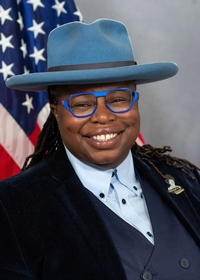
Rep. La'Tasha Mayes
Sponsored bills
Maddy summaryHB 1547 bans single-use plastic bags at retail stores in Pennsylvania, requiring them to offer recycled paper bags for a 10- to 25-cent fee instead. It directly affects stores like supermarkets, convenience stores, restaurants, and farmers' markets, with exemptions for bags used with perishable foods, pharmacy medications, or dry cleaning. Retailers must post clear signs explaining the change until January 2027 and keep all fees collected from bag sales. The Department of Community and Economic Development must create educational materials and regulations to support the policy.
Maddy summaryHB 1548 authorizes Pennsylvania's State Workers' Insurance Board to sell health insurance policies directly to the general public, not just state workers. The program must include minimum coverage for inpatient/outpatient hospital care, emergency services, preventive care, and basic medical services like doctor visits, physical therapy, and lab tests. The Board may borrow up to 40% of the State Workers' Insurance Fund’s annual balance to cover claims and administrative costs, with premiums partially funding loan repayments. This program will begin on January 1, 2026, offering a new public option for health insurance in Pennsylvania.
Maddy summaryThis is a commemorative resolution (not a policy bill) designating June 22-28, 2025, as "Women Firefighters and EMS Workers Week" in Pennsylvania. It symbolically recognizes women’s contributions to firefighting and emergency medical services, highlighting their historical roles, current workforce participation (9% of firefighters, 31% of EMS workers nationally), and ongoing efforts to address barriers in these fields. The resolution has no binding policy changes or funding; it solely serves to honor these professionals through a designated week of recognition. It was referred to the Veterans Affairs & Emergency Preparedness committee on June 3, 2025.
Maddy summaryHB 282 amends Pennsylvania's Human Services Code (1967) to clarify eligibility rules for individuals receiving medical assistance under public assistance programs. The bill directly affects current and prospective recipients of medical assistance, ensuring consistent application of qualification standards. Key provisions update how eligibility is determined for medical assistance, though specific changes are not detailed in the provided context. The bill passed the House on June 3, 2025, and was referred to the Health & Human Services committee for further review.
Maddy summaryHB 1096 creates the Pennsylvania Food Bucks Program, which provides financial assistance to low-income residents for purchasing fresh fruits and vegetables at participating retailers. The bill establishes a dedicated "Pennsylvania Food Bucks Program Account" within the state treasury to fund the program and requires the state to conduct research on the program's effectiveness. It directly affects eligible low-income Pennsylvanians and participating farmers and retailers by expanding access to healthy food options. The law, which passed on June 3, 2025, focuses on concrete policy changes: creating the program structure, securing funding through the new account, and mandating program evaluation.
Maddy summaryHB 180 replaces Pennsylvania’s existing school lunch and breakfast reimbursement system with a new Universal School Meal Program, ensuring all public school students in the state can receive free meals regardless of family income or unpaid meal debt. The bill requires school districts to provide meals to any student who requests one (unless parents specifically withhold consent in writing) and prohibits schools from stigmatizing students with meal debt through wristbands, public identification, or denying activities like sports or graduation. It bans collecting fees, interest, or using collections agencies for unpaid meal costs, and mandates schools help families apply for assistance instead of pursuing debt. This directly affects over 1.5 million Pennsylvania public school students and their school districts, shifting from a means-tested system to universal access.
Maddy summaryHB 1524 amends the Public Transportation Assistance Fund provisions within Pennsylvania's Tax Reform Code of 1971. The bill revises how funds are managed or allocated for public transportation programs, directly affecting state transportation agencies and public transit providers receiving these funds. It modifies specific sections of the existing tax code governing this dedicated fund. The bill was recently referred to the Transportation committee for further consideration. (3 sentences)
Maddy summaryHB 1521 amends the 1935 Enforcement Officer Disability Benefits Law to clarify and update provisions for disability benefits for enforcement officers. The bill directly affects law enforcement and public safety officers, such as police and firefighters, by revising definitions used to determine eligibility for benefits. Key provisions include updated definitions that will guide how disability benefit claims are processed and approved. This change focuses on refining the legal framework for benefit administration without altering the benefit amounts.
Maddy summaryHB 1523 would impose an excise fee on rides provided by transportation network companies (TNCs) like Uber or Lyft in Pennsylvania. The bill amends specific sections of state law related to municipalities, public utilities, and transportation to require this fee to be collected on each ride. The fee would directly affect TNC operators, who would be responsible for paying and collecting it from riders. This policy change creates a new revenue stream for transportation-related funds under the amended statutes.