

Maddy summaryHB 195 establishes Pennsylvania's Mental Health Workforce Retention Program under the Human Services Code. It provides $5,000 grants to mental health workers who are Pennsylvania residents and have worked with adolescents for at least seven consecutive years, using a lottery system to select recipients. The program allocates up to $1 million annually from a $5 million appropriation (continuing from the General Fund), with grants exempt from income tax. The program expires on June 30, 2030, and is open to workers in psychology, counseling, social work, or human services.
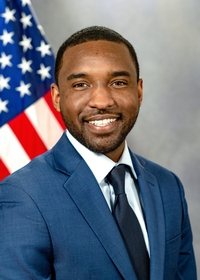
Rep. Anthony Bellmon
Sponsored bills
Maddy summaryHB 194 creates Pennsylvania's Mental Health Professional Student Loan Forgiveness Program, targeting mental health workers serving children and adolescents. It allows eligible residents who complete qualifying degrees (like social work, counseling, or psychology) and work in early childhood-to-adolescence mental health roles to receive up to $22,500 in loan forgiveness after signing a 7-year employment contract. The Pennsylvania Higher Education Assistance Agency (PHEAA) administers the program, requiring applicants to prove residency, partial degree completion, faculty recommendations, and secure employment in the specified field. Participants must maintain employment for seven years or repay the forgiven amount if they leave the field early, fail to comply, or provide false information. This directly affects mental health professionals in Pennsylvania seeking relief from student debt while addressing workforce needs in youth mental health.
Maddy summaryThis bill updates how Pennsylvania Game Commission officers are classified and paid. It establishes that full-time officers responsible for enforcing game laws will be compensated in the same way as members of the Pennsylvania State Police. All other personnel, except the director, will continue to be hired and paid according to the state's standard classification and compensation plans. The changes apply to earnings starting from the bill's effective date, which is set to occur 60 days after it is passed.
Maddy summaryThis bill establishes the Pennsylvania-Ireland Trade Commission and creates a dedicated fund to cover its administrative costs. It assigns the Department of Community and Economic Development the responsibility of managing the commission and appointing its members, including six individuals selected by the Governor. The legislation also introduces the Entertainment Economic Enhancement Program and includes minor corrections to the text, such as fixing spelling errors and updating section numbering.
Maddy summaryThis bill establishes tourism improvement districts and management associations to allow counties to create special zones for funding tourism-related projects. It outlines how these districts can be formed, how they operate, and how they can be dissolved, with a focus on ensuring transparency through open meeting laws and direct mail notifications to affected businesses. The legislation also details how special assessment fees are collected and used, requiring that these funds be spent on activities specified in an approved plan. Additionally, the bill clarifies the roles of counties and district management associations, including provisions for annual audits and reports.
Maddy summaryThis bill designates October 12, 2024, as "1982 Cheyney State College Lady Wolves Women's Basketball Team Day" in Pennsylvania to honor the team's historic achievements. It recognizes the 1982 squad as the first HBCU women's basketball team to reach the NCAA Division I Final Four during the inaugural tournament. The resolution also highlights the legacy of Coach C. Vivian Stringer and acknowledges the team's induction into the Women's Basketball Hall of Fame. This measure serves as a commemorative tribute rather than implementing new laws or funding changes.
Maddy summaryThis bill expands the legal definition of "public safety official" in Pennsylvania to include specific federal judges and magistrates operating within the state's three judicial districts. By adding these federal judicial officers to the list of protected individuals, the legislation ensures that acts of endangerment against them are treated with the same legal severity as threats against other public safety workers. The change applies to existing laws regarding aggravated assault and does not create new criminal charges but rather clarifies who qualifies for protection under current statutes.
Maddy summaryThis bill amends the Pennsylvania Human Relations Act to update the list of protected characteristics, explicitly adding sex, sexual orientation, gender identity or expression, familial status, handicap, disability, and the use of support animals to existing categories like race and age. The legislation directly affects employers, employment agencies, labor organizations, and providers of housing and public accommodations by clarifying that discrimination based on these new and existing traits is unlawful. It reinforces the state's policy of ensuring equal opportunity and mandates that the Pennsylvania Human Relations Commission enforce these protections through established procedures and penalties. Additionally, the bill includes provisions to protect religious exercise while maintaining the commission's powers and duties to prevent prejudice and handle complaints.
Maddy summaryThis bill amends the Underground Utility Line Protection Law by adding specific definitions and clarifying the responsibilities of facility owners, designers, excavators, and project owners. It also establishes duties for damage prevention committees, outlines procedures for issuing compliance orders, and sets administrative penalties for violations. Additionally, the legislation provides a legal mechanism for recovering penalties or forfeitures and includes provisions for the act's expiration.
Maddy summaryThis Pennsylvania House Resolution officially designates September 15 through October 15, 2024, as Hispanic Heritage Month within the state. The measure directly affects all Pennsylvanians by formally acknowledging the cultures, history, and contributions of the state's Hispanic and Latino communities. It calls on residents to honor these groups through learning, service, and celebration, recognizing their significant role in the Commonwealth's economy and society. The resolution does not alter laws or policies but serves as a symbolic gesture to highlight the importance of Hispanic heritage.