

Maddy summaryHB 272 establishes a grant program to help Pennsylvania municipalities and emergency service facilities (like fire stations, police departments, and ambulance services) install solar energy systems. The Department of Environmental Protection will administer the program, awarding competitive grants to cover eligible costs such as solar equipment, installation, permits, and site assessments. Applicants must submit a site assessment and verify contractors meet licensing, safety, and legal requirements through an affidavit. The program also requires the department to provide technical assistance and educational resources about solar energy projects.
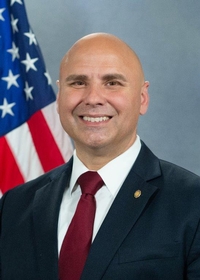
Rep. Bob Merski
Sponsored bills
Maddy summaryHB 208 amends Pennsylvania's Election Code to establish a $25 filing fee for candidates seeking specific party positions, including delegates or alternate delegates to national party conventions and members of national or state party committees. This fee must be paid by certified check, money order, or cash when submitting nomination petitions to the county board of elections. All collected fees will be deposited into the county's General Fund. The bill directly affects candidates for these party roles, not general election candidates.
Maddy summaryHB 206 amends Pennsylvania's Local Tax Enabling Act to clarify the definition of "earned income" for local income tax purposes. It specifies that employee business expenses reported to the Department of Revenue under the Tax Reform Code can be deducted when calculating earned income, while explicitly excluding military wages (and spouses living outside PA), business loss offsets, and clergy housing allowances. This change directly affects Pennsylvania residents paying local income taxes, particularly those in the excluded categories. The bill modifies how local governments calculate taxable income but does not create new taxes or alter tax rates. (Bill: HB 206, Section 501 amendment)
Maddy summaryHB 210 requires businesses (such as restaurants, hotels, and retail stores) to post signs in visible restroom locations - including stalls, mirrors, and above hand dryers - with the National Human Trafficking Resource Center Hotline number (1-888-373-7888) and a statement about legal protections for trafficking victims. The signs must be at least 8.5x11 inches, feature the hotline number in bold and large font, and be available in English, Spanish, and any other language required by the Voting Rights Act in the business's county. The Department of Labor and Industry will design and provide the sign template online for businesses to print. This law takes effect 60 days after enactment.
Maddy summaryHB 207 amends Pennsylvania's Tax Reform Code to clarify the definition of "compensation" for personal income tax purposes, specifically adding an exception for certain military and emergency-related income. The bill explicitly excludes income earned by active-duty U.S. military members (including their spouses living outside Pennsylvania) and income from active state emergency duty under Pennsylvania's emergency management laws. This change directly affects Pennsylvania taxpayers who receive such income, ensuring it is not taxed as regular compensation. The amendment becomes effective 60 days after enactment.
Maddy summaryHB 169 creates a program allowing local and regional police departments in Pennsylvania to purchase used pursuit vehicles (police patrol vehicles) from the state at fixed prices. The Department of General Services must allocate up to 10% of the Pennsylvania State Police's used pursuit vehicle inventory for this program, requiring payment via organization check before purchase. Police departments must submit a form detailing desired vehicles, and the state will notify them when matching vehicles become available. The bill specifies that prices are set by the department and not subject to negotiation, with rules for administration to be developed by the department. This applies only to existing state-owned patrol vehicles, not new purchases.
Maddy summaryHB 181 requires all political subdivision authorities (like water districts or housing boards) in Pennsylvania to maintain a publicly accessible website with specific transparency details. The bill mandates that these websites include each board member's name, term length and expiration date, contact email, the appointing official's name and office, and links to the governing government entity's website. It directly affects every authority created by a local government, ensuring residents can easily identify leadership and accountability structures. The law takes effect 60 days after enactment, requiring authorities to update their public information practices.
Maddy summaryHB 168 amends Pennsylvania's Taxpayer Relief Act to update the definition of "income" for senior citizens' property tax and rent rebate eligibility. It adds a provision allowing seniors who were eligible for these rebates as of December 31, 2018, to retain benefits if household income temporarily exceeds limits solely due to Social Security cost-of-living adjustments (COLAs). This replaces a previous temporary rule that expired in 2016 for seniors eligible as of December 31, 2012. The bill directly affects Pennsylvania seniors receiving property tax or rent rebates who experience automatic income increases from Social Security COLAs.