

Maddy summaryHB 1317 increases Pennsylvania's annual cap on entertainment production tax credits from $100 million to $125 million. It also establishes new rules allowing the Department of Revenue to carry forward unused credits: up to 30% for the next fiscal year, 20% for the year after, and 10% for the third year. This directly affects film and entertainment producers seeking tax credits under the Tax Reform Code of 1971. The changes apply to fiscal years beginning July 1, 2025.
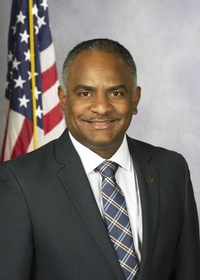
Rep. Danilo Burgos
Sponsored bills
Maddy summaryThis resolution designates April 2025 as "Community College Month" in Pennsylvania to recognize community colleges' role in the state's education and economy. It highlights that community colleges serve over 240,000 students - many from low-income or minority backgrounds - provide affordable pathways to degrees, and partner with over 2,000 employers to train workers for high-demand jobs like nursing and truck driving. The designation is ceremonial and does not create new laws or funding.
Maddy summaryHB 1288 requires Pennsylvania public schools to provide foreign language instruction for all students in kindergarten through grade twelve starting in the 2026-2027 school year. The state Department of Education must develop a toolkit and curriculum guidelines for teaching foreign languages by that time. School districts will then create their own foreign language programs using this state-developed resource, with flexibility to choose a language that aligns with their community's demographics.
Maddy summaryThis resolution (HR 33) designates April 2025 as "Limb Loss Awareness Month" in Pennsylvania. It does not create new laws or funding but formally recognizes the challenges faced by people with limb loss, including emotional, physical, and financial impacts. The resolution encourages Pennsylvanians to acknowledge this month, celebrate individuals living with limb loss, thank caregivers, and honor military amputees. It directly affects the public by promoting awareness of a condition impacting over 2 million Americans, as noted in the resolution's supporting facts.
Maddy summaryHB 1279 requires Pennsylvania colleges and universities, as well as private licensed schools, to implement evidence-based education programs on sexual misconduct (including consent, bystander intervention, and risk prevention) for all students and staff. The bill mandates staff training, establishes confidential resource advisors for victims, and requires institutions to create online reporting systems and conduct annual climate surveys. It also sets data reporting requirements for schools to track incidents, creates a Task Force on Postsecondary Sexual Misconduct, and provides academic waivers for student victims to avoid penalties related to incidents. These provisions aim to standardize prevention, response, and support across institutions.
Maddy summaryHB 1277 creates Pennsylvania's first comprehensive plant and pollinator protection law, directly affecting plant merchants, beekeepers, and businesses distributing plants or managed pollinators. The bill requires licenses for these operations, mandates inspections and pest surveys, and establishes a new Plant and Pollinator Protection Committee and dedicated funding account. It replaces outdated bee-related laws with updated provisions for managing pests, invasive species, and enforcing compliance through penalties and "stop orders" for violations. The law also introduces "compliance agreements" to prevent pest spread and repeals older statutes governing bees.
Maddy summaryHB 1245 requires Pennsylvania's Department of Health to partner with healthcare providers - including obstetricians, gynecologists, urologists, and community health centers - to educate individuals about pelvic floor dysfunction and related conditions. The Department must create and distribute accessible informational materials (both online and in print) to people identified by healthcare providers as experiencing or at risk for these conditions, with specific focus on postpartum women. These materials must cover symptoms, treatments, biological processes, and include a recommendation for postpartum pelvic floor assessments. The bill adds this educational duty to the Department's existing responsibilities under the 1929 Administrative Code, without altering current healthcare services or funding.
Maddy summaryHB 1237 amends Pennsylvania law to expand problem-solving courts, such as drug, mental health, and veterans courts, in courts of common pleas. It allows these courts to be established using available funds and creates a Statewide Coordinator to help with funding, coordination, and evaluation of such programs. The bill also changes sentencing rules: for technical probation violations (like missing a meeting), courts must consider a defendant’s employment status and may allow up to 30 days of confinement to enter a problem-solving court. This directly affects defendants on probation who might be referred to treatment programs instead of jail, as well as the courts administering these programs. The law takes effect in 60 days.
Maddy summaryHR 190 is a resolution designating April 7-11, 2025, as "Health Equity Week" in Pennsylvania. It aims to raise public awareness about health inequities affecting marginalized communities, including those based on race, ethnicity, disability, socioeconomic status, and geographic location. The resolution encourages Pennsylvanians to support efforts advancing health equity across all communities and sectors. As a symbolic measure, it does not create new laws or allocate funding but formally recognizes the need for systemic change in health access.
Maddy summaryHB 31 proposes a constitutional amendment to replace Pennsylvania's current Legislative Reapportionment Commission - which includes legislative leaders - with an Independent Redistricting Commission. The new commission would draw state legislative and congressional district boundaries after each federal census, following specific redistricting criteria outlined in the amendment. This change aims to reduce partisan influence by removing direct legislative control over redistricting. The bill does not detail the exact criteria but requires the commission to adhere to them when creating district maps.