

Maddy summaryHB 1441 proposes significant changes to sentencing and parole eligibility for certain serious offenses in Pennsylvania, applying these changes retroactively. The bill modifies sentences for individuals under 18 convicted of first-degree murder, murder of an unborn child, or murder of a law enforcement officer, replacing "life without parole" with minimum terms of 25 or 35 years to life, making them eligible for parole. It also removes "without parole" from life sentences for repeat violent offenders, allowing them parole consideration. The Pennsylvania Board of Probation and Parole would gain the power to parole individuals serving life sentences, though it would be prohibited from granting parole to offenders who murdered a law enforcement officer. Additionally, for those serving life sentences, parole consideration would not begin until at least five years of incarceration.
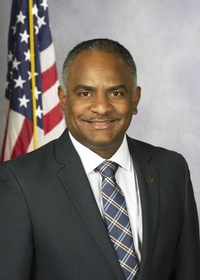
Rep. Danilo Burgos
Sponsored bills
Maddy summaryHR 217 is a resolution that formally recognizes May 7, 2025, as "Philadelphia Eagles Day at the Capitol" in Pennsylvania. It also honors the 2024 Philadelphia Eagles for their victory as the Super Bowl LIX Champions.
Maddy summaryThis resolution directs Pennsylvania's Joint State Government Commission to study the feasibility of developing offshore wind, solar, and hydropower projects on Pennsylvania's portion of Lake Erie. The study will examine potential job creation (including construction, maintenance, and manufacturing roles), economic impacts, environmental benefits like reduced emissions, and the projected electricity generation capacity. It requires the Commission to consult with energy experts, environmental groups, labor leaders, and surrounding states before submitting a report to relevant legislative committees within 12 months. The resolution does not authorize actual projects but aims to inform future policy decisions about renewable energy development in the region.
Maddy summaryThis resolution designates April 2025 as "Sikh Awareness and Appreciation Month" in Pennsylvania. It directly affects all Pennsylvania residents by promoting public awareness of the Sikh faith, recognizing the community's contributions to the state, and aiming to combat anti-Sikh bigotry. The key mechanism is the official symbolic recognition through a state resolution, which does not create new laws or allocate funds. It follows Pennsylvania's tradition of honoring cultural and religious diversity, referencing the Sikh community's historical presence and ongoing positive impacts in areas like agriculture, technology, and community service. The resolution emphasizes education to address discrimination, including statistics on anti-Sikh bias and school bullying faced by Sikh youth.
Maddy summaryHB 921 establishes Pennsylvania's Low-Income Household Water Assistance Program to help residents with overdue water or wastewater bills after the federal program ends. It requires the Department of Human Services to create the program by July 1, 2026, with eligibility based on income, owning/renting a home in PA, and having overdue bills (including termination notices). Water or wastewater utility companies can apply for grants on behalf of eligible customers to prevent service termination, pay past-due bills, or restore services. The program mandates annual reports to the Governor and legislative committees detailing grant recipients, amounts, and expenditures. This policy directly affects low-income households facing water service disruptions and utility providers serving them.
Maddy summaryHouse Bill 1397 amends Pennsylvania law to allow individuals to use media devices to record, transmit, or broadcast images, video, or audio of judicial proceedings without needing court approval. This change directly affects attendees of court proceedings and the judiciary by altering rules for public access and recording. However, the bill specifies several exceptions where this permission does not apply, including proceedings related to sexual abuse, domestic violence, protection from abuse, sexual violence or intimidation, and testimony from child witnesses or confidential informants.
Maddy summaryThis House Resolution (HR 37) designates March 13, 2025, as "K9 Veterans Awareness and Services Day" in Pennsylvania. It symbolically recognizes working dogs and their handlers, trainers, and helpers serving in military, law enforcement, search and rescue, and service roles (including support for people with disabilities). The resolution urges government agencies to acknowledge these animals' contributions on that date but does not create new laws or funding. As a procedural resolution, it focuses solely on raising awareness and expressing gratitude for K9 units' service.
Maddy summaryHB 1302, the Medical Debt Interest Act, caps the interest rate on unpaid medical bills at 6% for healthcare providers (like hospitals and doctors) and medical debt collectors in Pennsylvania. The bill prohibits charging more than 6% interest on medical debt and classifies violations as unfair business practices under existing consumer protection law, allowing individuals to seek court enforcement. It takes effect 60 days after enactment.
Maddy summaryHB 1297 amends Pennsylvania's Real Estate Appraisers Certification Act to require bias and discrimination training for appraisers before certification or renewal, covering topics like housing discrimination history, fair housing laws, and implicit bias. The bill prohibits appraisers from basing property valuations on protected characteristics such as race, gender, disability, or source of income, with penalties including voided appraisals, license suspension, and fines. It also mandates an annual statewide audit of appraisal practices to identify discrimination patterns and requires the board to report findings to the legislature and state agencies. This directly affects licensed real estate appraisers and aims to address systemic bias in property valuation.
Maddy summaryHB 881 updates Pennsylvania's 1965 Money Transmission Business Licensing Law to include virtual currency under the same regulatory framework as traditional money transmission. The bill requires businesses transmitting virtual currency (e.g., cryptocurrency) for a fee to obtain a license from the Department of Banking and Securities, similar to existing rules for money orders or checks. Key provisions define "virtual currency," clarify that self-hosted wallets (where users control their own digital assets) are exempt from licensing, and exclude business-to-business transactions from requirements. This directly affects crypto service providers and payment platforms, while exempting regular banks, credit unions, and personal wallet users who don’t operate as service businesses.