

Maddy summaryThis bill requires online platforms in Pennsylvania to inform users when their content may be used to train artificial intelligence systems. It applies to websites and apps that collect user-created content like posts, videos, or images for AI training purposes. The law mandates that platforms must provide a clear, separate disclosure at sign-up and require users to acknowledge receiving this notice before they can post content. The bill defines key terms like "artificial intelligence" and "platform" to ensure consistent application of the disclosure requirement.
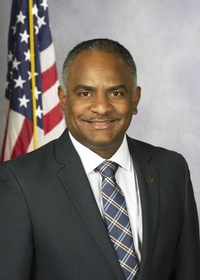
Rep. Danilo Burgos
Sponsored bills
Maddy summaryThis bill would amend Pennsylvania's Insurance Company Law to explicitly exempt health care sharing ministries from state insurance regulations and oversight by the Insurance Commissioner. It defines these ministries as faith-based nonprofit organizations where members share medical expenses based on common ethical or religious beliefs, with voluntary contributions and no promise of payment. To qualify, these organizations must provide monthly expense statements, undergo annual independent audits, and include clear disclaimers on membership materials stating they are not insurance and members remain personally responsible for medical bills. The changes apply to any organization meeting the specified criteria and would take effect 60 days after enactment.
Maddy summaryThis resolution designates March 31, 2026, as Transgender Day of Visibility in Pennsylvania to honor the contributions and lives of transgender individuals. The measure does not change laws or policies but serves as a symbolic recognition of the date, which is already observed nationally to celebrate transgender accomplishments and raise awareness about challenges the community faces. It is sponsored by multiple representatives and referred to the Committee on State Government for consideration. The resolution highlights the importance of transgender visibility and acknowledges the ongoing discrimination and violence the community experiences.
Maddy summaryThis bill establishes new Boards of Prison Inspectors at each Pennsylvania State correctional institution to oversee facility conditions and operations. The boards will consist of 18 members including medical professionals, educators, law enforcement officers, county officials, and community representatives, with at least one member being a former inmate or family member of an inmate. Each board will conduct unannounced inspections at least twice annually, review inmate complaints and officer misconduct records, and submit public reports on their findings. Board members serve three-year terms without pay but receive expense reimbursement, and they are prohibited from being current employees of the correctional system.
Maddy summaryThis bill updates Pennsylvania's process for accepting shared control of military lands from the U.S. government. It requires military installations to provide detailed written requests (including boundary descriptions and scope of jurisdiction) before the Governor can accept jurisdiction transfers, followed by a 30-day public notice period. The Governor must document accepted requests with the state secretary, and local agencies can then create coordination agreements with federal partners. This directly affects Pennsylvania's military installations, state agencies, and local governments managing lands with concurrent federal jurisdiction.
Maddy summaryHB 1923 establishes new workplace safety requirements for meat packing and food processing facilities by mandating facility health and safety committees. It creates a dedicated workers' rights coordinator position within the Department of Labor and Industry to oversee compliance and address concerns. The bill also adds specific public health emergency protections for workers during outbreaks or crises, requiring employers to follow state health guidelines. These changes directly affect workers and employers in the meat and food processing industry across the state.
Maddy summaryHB 144 amends Pennsylvania's juvenile justice laws to adjust the process for "informal adjustment" in court cases involving minors. It directly affects youth and families involved in juvenile court by changing how cases can be resolved without formal court proceedings. The bill modifies specific provisions related to informal adjustment procedures within juvenile matters, while also making minor editorial corrections to the statute. This is a procedural change focused on streamlining court handling of certain juvenile cases, not a major policy shift.
Maddy summaryHB 2213 establishes a regulatory framework for "skill video gaming" in Pennsylvania, directly affecting businesses that operate or distribute gaming systems. The bill requires licenses from the Department of Revenue for operators, distributors, and establishments, imposes fees, and mandates a central reporting system to track transactions like "coin in/out" and jackpots. Key provisions include banning access for people under 18, prohibiting "miniature casinos," requiring security measures for players, and creating criminal penalties for operating unlicensed systems or distributing to minors. It aims to eliminate illegal gambling devices disguised as skill-based games while leveraging the State Lottery's existing experience in retail gaming oversight.
Maddy summaryThis bill prohibits Pennsylvania State Police from stopping, detaining, or questioning individuals based solely on immigration status, except when necessary for unrelated criminal investigations. It bans prolonging detention due to immigration status or conducting immigration checks without a prior criminal arrest. Police must share immigration detainer information with federal authorities only if discovered during lawful detention for unrelated matters. The law directly affects all individuals interacting with Pennsylvania State Police, limiting state involvement in federal immigration enforcement.
Maddy summaryHB 2205 prohibits the Pennsylvania Turnpike Commission from using eminent domain to acquire property for turnpike projects. The bill repeals a section allowing the commission to obtain possession of condemned property and amends the law to explicitly forbid condemnation by the commission for any purpose. This change directly affects property owners near turnpike corridors, requiring the commission to seek land through voluntary agreements instead of forced acquisition. The bill does not apply to ongoing or pre-existing condemnation cases that began before its effective date.