

Maddy summaryHB 781 creates a three-year pilot program to provide salary supplements for infant and toddler care professionals working at eligible child-care centers in Pennsylvania. The Department of Public Welfare will administer the program, establishing county-level pay parity standards that consider education and certification levels to prevent staff retention issues. Child-care centers receiving funds must use them exclusively for wage supplements and cannot reduce existing pay or replace staff costs. The program requires annual reporting to the General Assembly and expires after three fiscal years beginning in 2026-2027.
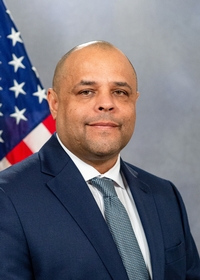
Rep. José Giral
Sponsored bills
Maddy summaryHB 779 establishes a three-year pilot program to increase salaries for Head Start teachers in Pennsylvania. It targets Head Start programs located in school districts with at least 20% poverty or census tracts with 80% or lower median poverty. The program calculates a salary supplement by comparing Head Start teachers' qualifications to public elementary school teachers in the same district, then provides funds to align their pay. The Department of Education will select participating programs, collect data, and report findings to the legislature after one year.
Maddy summaryHB 758 amends Pennsylvania's Controlled Substance, Drug, Device and Cosmetic Act to reduce penalties for a specific drug-related violation. It changes the maximum fine from $500 to $25, eliminating the possibility of jail time for this offense. The bill directly affects individuals who violate clause (31) of the existing law, which relates to certain drug-related activities under the state's controlled substances regulations. This is a concrete policy change to lower the financial penalty for a minor violation, without altering the prohibited act itself.
Maddy summaryHB 787 would authorize Pennsylvania to join the Interstate Dental and Dental Hygiene Licensure Compact, a multi-state agreement. The bill creates a system where dentists and dental hygienists can more easily obtain licenses in participating states by sharing a single set of documents and passing the nationally recognized ADEX exam, eliminating duplicate paperwork and fees. This directly affects dental professionals seeking to practice across state lines, including military personnel and their spouses who receive expedited processing. The compact maintains each state's authority to regulate dental practice and take disciplinary action while standardizing licensing requirements and reducing costs for licensees.
Maddy summaryHB 740 designates a specific segment of Pennsylvania Route 232 within the Borough of Rockledge, Montgomery County, as the "PFC Helmut Boehm Memorial Road." The bill honors Private First Class Helmut Boehm, a WWII veteran who served as an ambulance orderly in the European theater and was awarded a Bronze Star. The key provision requires the Pennsylvania Department of Transportation to install and maintain directional signs naming the road. This is a purely commemorative act with no policy changes or direct impact on residents or laws.
Maddy summaryHB 739 amends Pennsylvania's 1951 Professional Nursing Law to modernize terminology and clarify roles for advanced practice nurses. It replaces "certified registered nurse practitioner" with "APRN-CNP" throughout the law, defines "collaboration" requirements for new APRN-CNPs (requiring 3,600 practice hours before independent work), and updates definitions for "medical nutrition therapy" and "population focus areas." The bill explicitly removes the State Board of Nursing's authority to license APRN-CNPs, shifting that responsibility elsewhere. These changes directly affect registered nurses seeking advanced practice certification and the Board's regulatory role in nursing licensure.
Maddy summaryHB 724 amends Pennsylvania's tax code to prohibit businesses from deducting expenses related to opposing workers' unionization efforts. It applies to all business entities operating in Pennsylvania - including corporations, limited liability companies, and partnerships - that spend money to influence employees against forming or joining labor organizations. The law specifically blocks tax deductions for costs like hiring anti-union consultants, running campaigns against unionization, or other activities aimed at discouraging union membership. This change increases taxable income for businesses engaging in such activities, directly affecting employers in the state who previously deducted these expenses.
Maddy summaryHB 729 eliminates fees for one duplicate Pennsylvania identification card (including required photos) during the term of an initial or renewal card for individuals already exempt from license fees under Section 1901(b.1) of the law. This directly affects Pennsylvania residents who qualify for fee exemptions (such as low-income or disabled individuals) when replacing lost or damaged ID cards. The bill amends Section 1513(c) of Title 75 (Vehicles) to prohibit charging fees for a single duplicate ID card during the active period of their primary card. The change applies only to the first duplicate replacement needed within the card's validity period.
Maddy summaryHB 723 amends Pennsylvania's Tax Reform Code to require state departments to check if applicants for tax credits or benefits have engaged in anti-union activities within the past decade. It directly affects businesses or individuals seeking tax benefits by blocking eligibility if they have: - Faced federal or state unfair labor practice complaints (e.g., under NLRB rules or Pennsylvania Labor Relations Act), - Settled union-related charges without formal complaints, or - Violated court orders or state labor board decisions. The bill adds specific screening steps to the tax credit application process, defining "anti-union activity" through clear legal references. It takes effect 60 days after enactment.
Maddy summaryHB 736 amends Pennsylvania's property tax exemption rules for charitable institutions, clarifying that tax-exempt status applies only when property is used for the institution's primary purposes (e.g., hospitals, universities, charities). It specifies that property used for commercial activities or not regularly essential to the institution's mission loses exemption eligibility. The bill directly affects qualifying nonprofit institutions and local governments collecting property taxes. Key provisions require all revenue from exempt property to support the institution's core mission, not commercial ventures, and explicitly deny exemptions for commercial use. The changes take effect 60 days after enactment.