

Maddy summaryHB 1757 creates a voluntary Pennsylvania firefighter cancer registry managed by the Department of Health. It requires collecting anonymized data from firefighters, including fire incident types, work history, health information, and demographics, to link with existing cancer registry data. The registry aims to identify cancer trends and regional disparities among firefighters, with annual reports to the Governor and legislature containing findings and recommendations. All data remains confidential and cannot be used in court or for disciplinary actions. The registry will also make de-identified data available for public research without fees.
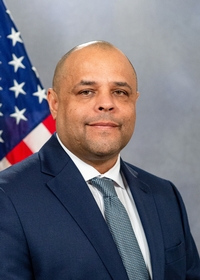
Rep. José Giral
Sponsored bills
Maddy summaryHB 1754 amends Pennsylvania's Tax Reform Code of 1971 to update the definition of "compensation" for personal income tax purposes. It specifically clarifies that "compensation" includes salaries, wages, bonuses, and certain deferred income payments under federal law, while explicitly excluding government benefits like Medicaid, SNAP (food stamps), TANF, and retirement payments. The bill does not change tax rates or create new taxes but provides clearer rules for what counts as taxable income under the state's tax code. This technical update primarily affects how Pennsylvania employers and taxpayers report income for state tax filing.
Maddy summaryHB 1668 allows first-class cities in Pennsylvania to create property tax incentives for owners of residential high-rise buildings to install automatic fire sprinkler systems and monitoring devices. It directly affects building owners in cities like Philadelphia by offering tax abatements or relief programs to encourage these safety upgrades. The bill amends the Fiscal Code to authorize this approach, focusing on concrete policy changes without mandating specific actions.
Maddy summaryHB 564 updates Pennsylvania law to establish a new mental health crisis response system. It requires the Department of Human Services to create and operate this system, including training crisis responders and coordinating care. The bill directly affects individuals experiencing mental health crises and the state agencies responsible for emergency mental health services. Key provisions mandate specific duties for DHS to ensure timely, accessible crisis support statewide. The bill passed final passage on July 14, 2025, and is now under review by the Health & Human Services committee.
Maddy summaryHB 1424 amends Pennsylvania's Local Tax Enabling Act to prohibit local governments from taxing admission fees at recreational campgrounds. It adds a new restriction (section 18) preventing municipalities from levying amusement taxes on guest charges for campground access. The bill also clarifies that camping property rentals aren't considered "places of amusement" for tax purposes. This change affects all local authorities covered by the original tax law, including cities, towns, and school districts.
Maddy summaryHB 1697 amends Pennsylvania's Human Services Code to create a state-level False Claims Act, directly affecting healthcare providers, contractors, and organizations receiving state funds (like Medicaid or welfare programs). It makes individuals or entities liable for three times the damages plus penalties if they knowingly submit false claims, make false records, or conceal obligations to the state. The bill establishes "qui tam" lawsuits allowing whistleblowers to sue on behalf of the state and creates a Fraud Prevention and Recovery Account to hold recovered funds. These provisions align Pennsylvania's law with the federal False Claims Act to combat fraud in public spending.
Maddy summaryHB 1466 requires mortgage lenders in Pennsylvania to provide mandatory housing counseling to applicants before processing reverse mortgage loans. Specifically, licensees must arrange in-person, phone, or video counseling from a HUD-approved agency, covering reverse mortgage details and alternatives, and issue a certificate documenting the session. This applies to all applicants for reverse mortgages - loans secured by home equity that don’t require repayment until later - and mandates lenders to keep counseling records for the loan’s duration. The bill directly affects mortgage lenders and reverse mortgage applicants, aiming to improve consumer understanding of this complex financial product.
Maddy summaryHB 1751 creates a new Office of Employee Ownership within the state's Department of Community and Economic Development to support employee-owned businesses. It establishes an Employee Ownership Advisory Board to guide the program and a Main Street Employee Ownership Grant Program to provide funding for these businesses. The bill also directs the state to offer technical and financial assistance to help employee-owned enterprises grow and operate. This bill directly affects employee-owned businesses seeking support, grants, and guidance through state programs.
Maddy summaryHB 1407 updates Pennsylvania's teacher certification rules, effective July 1, 2027. It establishes new grade spans for certificates: "Primary" (pre-K through grade 6), "Secondary" (grades 7-12), and "Specialized" (pre-K through grade 12). Current teachers with early childhood certificates can add grades 5-6 by passing an assessment or earning continuing education credits, while those with elementary/middle certificates can expand to grades 7-12 using similar pathways. The bill also requires teacher preparation programs to adjust coursework and field placements for early childhood certification, and abrogates outdated regulations inconsistent with these changes.
Maddy summaryHB 1591 amends Pennsylvania's vehicle laws to specifically include rules for private parking lots within the "rules of the road" section. It directly affects owners and operators of private parking lots (like those at shopping centers or apartment complexes) by allowing them to establish their own parking rules without needing separate municipal permits. The key provision moves private lot regulations under the state vehicle code, clarifying that lot operators can set rules for parking duration, access, and enforcement. This changes how local authorities and lot managers handle parking governance, shifting it from general municipal oversight to a defined state regulatory framework.