

Maddy summaryHB 1792 amends Pennsylvania's Tax Reform Code of 1971 to establish residential solar energy incentives. It would provide financial benefits, such as tax credits or rebates, to homeowners who install solar energy systems. The bill directly affects residential property owners seeking to adopt solar power. The specific incentive structure and eligibility details are not provided in the available context. The bill is currently pending in the Finance committee after being referred on August 10, 2025.
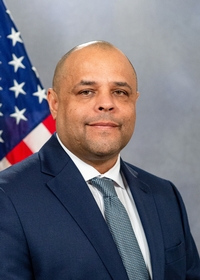
Rep. José Giral
Sponsored bills
Maddy summaryThis bill updates Pennsylvania's vehicle registration rules to allow special antique, classic, and collectible license plates. It directly affects owners of qualifying historic vehicles who wish to display these specialized plates. The key provision amends Title 75 of the Pennsylvania Consolidated Statutes to establish clear categories and requirements for these plate types. The bill is currently in the Transportation committee after being referred on August 5, 2025.
Maddy summaryHB 1765 would require Pennsylvania municipalities to provide insurance benefits to part-time police officers. The bill amends state law to extend existing insurance coverage provisions - currently applicable to full-time municipal employees - to include part-time police officers specifically. This change would directly affect part-time police officers and the local governments that employ them, mandating that municipalities include these benefits in their employment terms. The bill is currently under review by the Local Government committee.
Maddy summaryThis bill is a commemorative resolution designating July 26, 2025, as "Americans with Disabilities Act Day" within Pennsylvania. It does not create new laws or policies but formally recognizes the anniversary of the federal Americans with Disabilities Act (ADA) through a symbolic observance. The resolution directly affects Pennsylvania residents by designating a specific day for community recognition of the ADA's impact. As a procedural resolution, it has no binding legal effect and is referred to the Human Services committee for consideration.
Maddy summaryThe provided context does not include specific details about the provisions, changes, or effects of HB 1771. While the bill title indicates it amends Pennsylvania's judicial procedures related to rights, definitions, pretrial motions, and awards, the summary cannot describe concrete policy changes or who it affects without additional legislative text or explanatory materials. The recent referral to the Judiciary committee is noted, but no substantive content is provided. A complete summary requires access to the bill's full text or committee reports.
Maddy summaryHB 1770 amends Pennsylvania's Public School Code to require public schools to offer an additional math program for students in kindergarten through fifth grade. This program would provide extra math instruction to help young students build foundational math skills during their early school years. The bill directly affects all K-5 public schools in Pennsylvania and the state education department, which would be responsible for developing and overseeing the program. It adds a specific requirement to the state's educational standards without changing existing curriculum structures.
Maddy summaryHB 1319 amends Pennsylvania's Mechanics' Lien Law of 1963 by updating the definition of "Materials" to explicitly include "rented equipment reasonably necessary for construction." This change directly affects contractors, suppliers, and property owners involved in construction projects who use lien claims to secure payment. The bill clarifies that equipment rented for construction - like scaffolding or heavy machinery - counts as "Materials" under lien law, ensuring it qualifies for payment protection. The amendment makes the existing law clearer but does not create new requirements or obligations. The bill passed in July 2025 and takes effect 90 days after enactment.
Maddy summaryHB 1758 removes existing rules that prevented employers from disciplining or terminating volunteer firefighters, ambulance staff, or rescue squad members who missed work for emergency calls. It replaces these provisions with a new tax credit program for employers who hire volunteer emergency responders (including firefighters, ambulance personnel, and rescue squad members). The tax credit, available to both private businesses and government entities, helps offset costs associated with employing these volunteers. This bill directly affects volunteer emergency responders and their employers across Pennsylvania by shifting from disciplinary protections to a financial incentive.
Maddy summaryHB 1761 prohibits water utilities and municipal authorities from charging "standby fees" to specific groups. It directly affects volunteer fire companies, nonprofit rescue squads, and nonprofit ambulance services (if they own/occupy buildings with fire protection systems and pay for them), as well as residential property owners with automatic fire protection systems. The bill defines a "standby charge" as an extra fee beyond the actual cost of water service for fire protection systems, and bans this practice. Existing charges for affected groups will continue until the next billing cycle after the law takes effect. The law amends both municipal and utility statutes to enforce this prohibition.
Maddy summaryHB 1760 establishes a 5% minimum annual participation goal for veteran business enterprises (including service-disabled veteran-owned small businesses) in Pennsylvania's state procurement contracts. It requires the Department of General Services to verify business certifications, maintain a directory of qualified veteran-owned businesses, and provide assistance to help these businesses compete for contracts. The bill also creates an "aspirational target" for participation that can be adjusted every five years after a disparity study, and allows agencies to request waivers for specific contract goals. This applies to Commonwealth agencies purchasing goods or services under Titles 51, 62, and 74 of Pennsylvania law.