

Maddy summaryHB 1749 amends Pennsylvania's 1971 Tax Reform Code to modify sales and use tax exclusions and create a new tax credit specifically for the steel industry. The bill establishes a "fueling opportunities" tax credit aimed at supporting steel businesses engaged in revitalization, growth, and operational efficiency. This credit directly affects steel manufacturers and related businesses by potentially reducing their tax burden for qualifying activities. The bill focuses on concrete tax code changes rather than broader policy shifts, with its key mechanism being the new credit program within the existing tax framework.
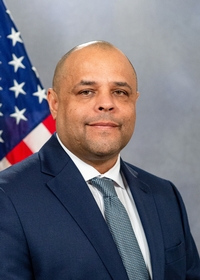
Rep. José Giral
Sponsored bills
Maddy summaryHB 1093 amends Pennsylvania's vehicle safety laws to update requirements for restraint systems, directly affecting vehicle owners and drivers statewide. The bill modifies existing rules for seatbelts and child safety restraints, clarifying standards for installation and use in motor vehicles. Key provisions include updating equipment specifications to align with current safety technology and ensuring compliance for all passenger vehicles. This change aims to strengthen road safety by standardizing restraint system requirements across Pennsylvania.
Maddy summaryHB 938 amends the Public School Code of 1949 to update governance rules for the Board of Governors overseeing the State System of Higher Education. It directly affects the board members, public universities, and the administrative structure of the higher education system. The bill modifies provisions related to the board's composition, responsibilities, or operational procedures under the existing code, though specific changes are not detailed in the provided context. The bill passed the legislature on July 14, 2025, and was referred to the Education committee for further action.
Maddy summaryHB 1058 amends Pennsylvania's State Lottery Law to adjust the minimum percentage of lottery revenues dedicated to senior programs. It reduces the required allocation from 20% (for fiscal years 2019-2025) to 10% for fiscal years beginning after June 30, 2025. This directly affects seniors aged 65+ who receive property tax relief and reduced-fare transit services funded by lottery revenues. The change modifies Section 303(a)(11)(iv) of the law, specifying the new funding percentage starting in 2026. The bill became law on July 21, 2025, as Act No. 37 of 2025.
Maddy summaryHB 1429 requires the state agency administering public assistance programs (like food stamps or cash aid) to submit a report detailing a transition plan to replace current access cards with secure chip-enabled electronic cards. The bill directly affects recipients of public assistance and the agencies managing these programs by mandating a formal report on how the switch to chip cards will be implemented. Key provisions include specifying the report must cover timelines, costs, and how the transition will ensure continued access for beneficiaries. This is a procedural bill focused on reporting requirements, not altering benefit eligibility or funding.
Maddy summaryHB 1574 creates a new loan program and fund to help local redevelopment authorities start community renewal projects. It establishes a Redevelopment Authority Startup Fund to provide low-interest loans for initiatives like rebuilding neighborhoods or revitalizing downtown areas. This directly affects cities and towns with active redevelopment agencies, giving them a new way to finance early-stage projects. The bill amends the Fiscal Code to set up this funding mechanism, changing how these local agencies access capital for urban renewal efforts.
Maddy summaryHB 1721 adds medical assistance coverage under public assistance programs for peer recovery support services. This means individuals receiving state-funded public assistance (like Medicaid) would now have access to coverage for services provided by trained peers who have lived experience with recovery. The bill directly affects people seeking substance use disorder treatment through public assistance programs. It amends the Human Services Code to require coverage for these specific peer services, expanding available treatment options without changing existing eligibility rules. The bill is currently in the Human Services committee for review.
Maddy summaryHB 1728 amends the Public School Code of 1949 to update provisions specifically for community colleges. It clarifies definitions and establishes mechanisms for financial programs and reimbursement of payments related to these institutions. The bill directly affects community colleges by modifying how they manage state funding and reimbursement processes. This summary focuses solely on the bill's stated purpose as described in its title and recent referral.
Maddy summaryHB 1724 creates a new framework for Pennsylvania government agencies to partner with private companies on sustainable facility projects. It establishes "sustainable capital improvement project contracts" for upgrades like energy-efficient buildings, water systems, and renewable energy installations, directly affecting state agencies, counties, and municipalities. The bill requires competitive sealed proposals for these contracts, mandates public notice of awards, and defines key terms like "qualified provider" (businesses capable of improving energy efficiency) and "key performance indicators" to measure project success. Projects covered include repairs, installations, and maintenance focused on reducing energy use and enhancing resilience. The law aims to streamline procurement while ensuring transparency and measurable outcomes for public infrastructure improvements.
Maddy summaryHB 1733 adds art therapy to Pennsylvania's regulated health professions by creating specific licensure requirements for "licensed professional art therapists" and "licensed associate art therapists." It defines "art therapy" as a clinical practice using art-based techniques to address mental health needs, requiring therapists to meet education standards from accredited institutions. The bill restricts the use of the title "licensed professional art therapist" to those holding a valid license, while "licensed associate art therapists" must work under supervision and cannot practice independently. This directly affects art therapists seeking to legally use the title or provide services in Pennsylvania, establishing new standards for training, supervision, and scope of practice.