

Maddy summaryThis Pennsylvania bill updates the state's laws regarding original birth records for adult adoptees. It clarifies that a noncertified copy of an original birth record will only include basic details like the names and ages of birth parents, the date of birth, and the child's name at birth, while explicitly noting that it is not a certified document. The legislation also establishes a formal process allowing birth parents to request that their names be redacted from these records by submitting a notarized form with identification and medical history updates to the Department of Health. Additionally, the bill outlines how birth parents can later revoke this redaction request to allow their names to appear on future copies of the record.
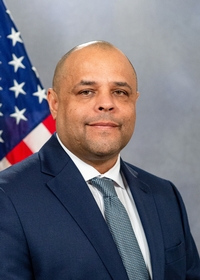
Rep. José Giral
Sponsored bills
Maddy summaryThis bill creates a state program in Pennsylvania to provide financial assistance for basic cable television service to older adults aged 65 and older. To qualify, applicants must be at least 65 years old and have a household income at or below 150% of the federal poverty guidelines. The Department of Community and Economic Development will administer the program, issuing annual rebates of up to $300 to help cover yearly cable bills, provided the applicant lives in an area where basic cable is the only available option. The bill also outlines rules for submitting applications, verifying eligibility, and imposes penalties for providing false information on the forms.
Maddy summaryThis Pennsylvania House resolution designates August 2024 as Endometriosis Awareness Month to highlight the condition's impact on women's health. The bill urges federal officials to increase research funding, improve medical reimbursement for endometriosis surgeries, and establish a national awareness month. It also calls for better education of the public and medical professionals regarding the symptoms and diagnosis of endometriosis.
Maddy summaryThis Pennsylvania House resolution urges the U.S. Congress to support the Major Richard Star Act, which would allow medically retired service members to receive both their retirement pay and VA disability benefits simultaneously. Currently, the law reduces retirement pay by the amount of disability compensation received, a restriction that affects an estimated 50,000 veterans who retired due to service-related injuries. The bill aims to eliminate this offset so that all medically retired personnel can access their full financial entitlements without penalty. The resolution is a symbolic call to action rather than a law itself, directing Pennsylvania lawmakers to lobby federal legislators for this policy change.
Maddy summaryThis House Resolution designates June 2024 as "Dairy Month" in Pennsylvania to recognize the state's dairy industry. The measure highlights the economic importance of dairy farming, noting that it supports over 47,000 jobs and generates billions in annual activity. While the resolution does not create new laws or regulations, it aims to raise awareness about the industry and encourage the purchase of locally produced dairy products.
Maddy summaryThis resolution designates June 15, 2024, as Elder Abuse Awareness Day in Pennsylvania to highlight the issue of harm or neglect against older adults. It does not create new laws or change existing policies but serves to draw public attention to the prevalence of elder abuse and the resources available for reporting it. The measure aims to encourage daily awareness and education about preventing abuse in the state's aging population.
Maddy summaryThis bill amends Pennsylvania's Tax Reform Code to create a specific tax deduction for medical cannabis businesses. It allows these businesses to deduct ordinary and necessary expenses from their taxable income if they did not claim those same expenses on their federal tax returns. The provision applies to companies holding active grower, processor, or dispensary permits issued by the state Department of Health. The new rule will take effect 60 days after enactment and applies to tax years starting after December 31, 2024.
Maddy summaryThis bill creates a new School Facilities Office within the Pennsylvania Department of Education to help school districts assess infrastructure needs and secure funding for improvements. It also establishes a Public School Facility Advisory Committee made up of representatives from government, industry, and education groups to guide facility planning and policy. Under the law, all public schools must submit detailed inventory data about their buildings by April 2025, and this information will be made available online for public viewing. Additionally, the legislation repeals previous rules regarding building condition assessments to allow for a new, standardized statewide evaluation process.
Maddy summaryThis bill expands the definition of "establishment" under Pennsylvania's human trafficking laws to include various venues such as hotels, motels, truck stops, and transportation hubs. It mandates that owners and managers of public lodging establishments provide human trafficking awareness training to their employees within 90 days of hiring or the bill's effective date, with specific content on identifying victims and reporting signs of exploitation. The legislation also requires these businesses to maintain records of employee training for two years and submit proposed training materials to the Department of Labor and Industry for approval. Additionally, the bill introduces enforcement mechanisms, including administrative and criminal penalties for violations, while allowing for affirmative defenses if an establishment can prove it took reasonable steps to prevent trafficking.
Maddy summaryThis bill creates the Pennsylvania Affordable Homeownership Subsidy Program to help middle-income families buy homes by providing financial grants. It targets households earning between 60% and 120% of the area median income and allows grants of up to $125,000 to nonprofit groups, government entities, or developers. The funding can be used for various purposes, including purchasing properties, offering homebuyer education, repairing homes, and managing assets to ensure long-term affordability. The Department of Community and Economic Development will oversee the program, set application rules, and submit annual reports to the legislature on how the funds are used.