

Maddy summaryHB 2410 updates Pennsylvania's Board of Vehicles Act by clarifying definitions for recreational vehicle events and establishing specific rules for how long these events can run. The bill removes previous restrictions that prohibited recreational vehicle shows and off-premise sales on Sundays while simultaneously creating new provisions to allow such events to occur on Sundays. It also strengthens oversight by adding grounds for disciplinary action against out-of-state dealers who fail to prove they are participating in these events and by updating warranty obligations. Additionally, the legislation repeals old sections regarding bonds and registration requirements for out-of-state dealers participating in recreational vehicle shows and rallies.
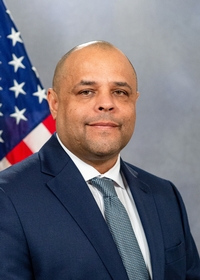
Rep. José Giral
Sponsored bills
Maddy summaryThis bill requires independent used car dealers in Pennsylvania to complete an approved education and training course before obtaining a new license or renewing an existing one. The training must cover state laws and regulations, include at least 20 hours of instruction for new applicants, and cost no more than $300 for initial courses or $75 for renewals. Dealers who have held a license for over 10 years or those already licensed as new vehicle dealers are exempt from these requirements. The state Board of Vehicles is tasked with developing and approving the curriculum within 180 days and may mandate additional training for dealers found in violation of the law.
Maddy summaryThis bill amends Pennsylvania's Vital Statistics Law to establish fee waivers for obtaining certified copies of birth and death records. It directly affects active duty military personnel, veterans, their spouses, dependents, funeral homes, and legal representatives of deceased service members. The key provision allows these specific groups to receive their first ten certified copies of a record for free each year, while also clarifying definitions for terms like "veteran" and outlining specific conditions for who qualifies for the waiver.
Maddy summaryThis bill modifies the Pennsylvania Food Bucks Program to require grantees to verify the residency of every SNAP recipient receiving benefits. It specifically prohibits providing benefit incentives to individuals who are not residents of Pennsylvania or who are not lawful residents of the United States. Additionally, the legislation mandates that program evaluators conduct biennial reviews and publish detailed reports on funding usage, geographic distribution, and participating retailers. The bill also grants the department authority to refer suspected immigration law violations to enforcement agencies. These changes directly affect the administration of the food incentive program and the eligibility criteria for participating SNAP recipients.
Maddy summaryThis resolution officially designates June 2024 as "National Safety Month" within Pennsylvania to highlight the importance of preventing unintentional injuries and deaths. It encourages residents, businesses, and government entities to participate in safety awareness campaigns and adopt safer behaviors during the summer season, a time when accident rates often rise. The measure does not create new laws or regulations but serves as a formal declaration urging cooperation among all sectors of society to promote public health and safety.
Maddy summaryThis bill designates June 25, 2024, as "World Vitiligo Day" within Pennsylvania to raise awareness about the autoimmune skin condition. It encourages Pennsylvanians to share accurate information about vitiligo, dispel common myths, and show support for those affected by the disease. Additionally, the resolution calls for increased funding for vitiligo research from both state and private sources. The measure also formally acknowledges vitiligo as a serious medical condition that deserves equal recognition with other autoimmune diseases.
Maddy summaryThis bill requires ride-share drivers in Pennsylvania to display specific identification markers on their vehicles while they are active on the platform or providing a ride. Drivers must show a company placard on the windshield and rear windows, along with a unique barcode and a credential card featuring their photo and license plate number on the rear side windows. These markers must be clearly visible during the day and illuminated at night, and drivers are responsible for returning them within 30 days of quitting. The Department of Transportation is tasked with creating a uniform template for these identification items, which companies must then issue to their drivers. Failure to comply with these new display and record-keeping rules could result in fines imposed by the state commission.
Maddy summaryThis Pennsylvania House Resolution designates the week of June 17 through 21, 2024, as "Apprenticeship Week" to highlight the importance of registered apprenticeship programs. The measure serves as a commemorative gesture recognizing the history and benefits of these training initiatives, which provide workers with on-the-job learning and mentorship while helping employers build a skilled workforce. By officially setting aside this specific time frame, the resolution aims to raise public awareness about apprenticeships as a pathway to high-paying jobs and career development.
Maddy summaryThis bill designates the week of June 24 through 28, 2024, as "Union Organizing Week" in Pennsylvania to honor workers who advocate for their right to organize. The resolution includes language acknowledging the contributions of union negotiators and diverse workers, including veterans, to the state's economy and communities. It also expresses the view that employers and unions should collaborate for mutual success and recognizes the dedication of those seeking fair treatment at the workplace.
Maddy summaryThis bill amends Pennsylvania laws to clarify the Pennsylvania Gaming Control Board's authority over slot machine counts at licensed casinos. It specifically allows a board employee to approve requests to reduce the number of slot machines, provided the reduction does not exceed 2% of the facility's total machines. The legislation also updates the minimum number of slot machines required to be operational, setting the floor at 1,500 for Category 1 and 2 facilities and 250 for Category 3 facilities. These changes directly affect casino operators and the state's gaming regulatory body by defining the limits for adjusting gaming equipment.