

Maddy summaryHB 890 amends Pennsylvania's Veterans' Trust Fund rules to restrict how funds can be spent. It prohibits using the fund for administrative staff salaries (defined as non-clinical personnel at veterans' organizations) and limits single-entity grants to $250,000 over three consecutive years. These changes directly affect the State Veterans' Commission and the Department managing the Trust Fund, ensuring funds are used for direct veteran services rather than administrative costs or large single grants. The bill takes effect immediately upon passage.
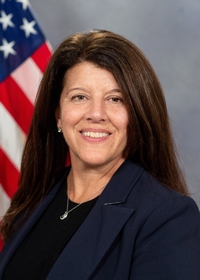
Rep. Lisa Borowski
Sponsored bills
Maddy summaryHB 899 requires Pennsylvania employers to provide workers with paid sick leave for their own health needs or to care for family members. Employees earn one hour of paid sick time for every 30 hours worked, with a minimum annual accrual of 40 hours. The law prohibits employers from retaliating against workers who use this leave and mandates clear posting of rights. It covers most private-sector employees (excluding federal workers) and applies to all employers with 15+ employees in Pennsylvania, effective upon enactment.
Maddy summaryHB 876 proposes a constitutional amendment to change how civil officers in Pennsylvania can be removed from office. It replaces the current requirement of "conviction of misbehavior in office" with a standard requiring a "finding or verdict of guilt" (including pleas of nolo contendere) for crimes related to an officer's official duties. This affects appointed civil officers (excluding judges of record courts) and elected officials like mayors or county officials, but not the Governor, Lieutenant Governor, legislators, or judges of record courts. The amendment would require removal by the Governor for "reasonable cause" after a hearing, with approval from two-thirds of the Senate. The bill also outlines the procedural steps for submitting the constitutional change to voters.
Maddy summaryThis bill (HB 866) expands free hunting and furtaking license access in Pennsylvania for eligible disabled veterans. It allows resident disabled veterans certified by the U.S. Department of Veterans Affairs as having a service-connected disability (such as loss of one or more limbs or 100% disability) to receive free licenses for 10 specific activities, including regular hunting, bear hunting, archery, and migratory bird hunting. The change modifies existing exemptions under Section 2706(b)(1) to include these additional license types without fee. This directly affects Pennsylvania residents who are disabled veterans meeting the VA certification criteria.
Maddy summaryHB 860 amends Pennsylvania's Public School Code to prohibit public schools from removing library books or instructional materials based on specific reasons, such as an author's race, gender identity, political views, or content about sexuality. It directly affects public school entities (including districts, charter schools, and libraries) by banning "soft censorship" - removing materials outside formal review processes - and requires schools to publicly report such removals. The bill mandates that materials can only be removed following a defined procedure, ensuring decisions are based on educational appropriateness, not personal views. It also requires schools to provide online complaint forms for students or parents who experience unauthorized removals, referencing data showing 457 book challenges in Pennsylvania from 2021-2022. The law aims to protect students' access to diverse learning resources while aligning with First Amendment principles.
Maddy summaryHB 840 establishes the Targeted Industry Cluster Certificate Scholarship Program to provide financial assistance for Pennsylvania residents pursuing specific short-term education programs. The program, administered by the Pennsylvania Higher Education Assistance Agency, offers grants for eligible students enrolled in approved courses that take two to four years to complete, including nursing, public health, and community health bachelor's degrees. The Department of Education and Department of Labor and Industry will collaborate to identify workforce-focused programs and approve eligible educational providers. This bill directly affects students seeking credentials in high-demand fields and requires the agency to set grant awards based on available funding.
Maddy summaryHB 844 creates Pennsylvania's Housing Construction Loan Program and a dedicated Housing Construction Loan Fund under the Pennsylvania Housing Finance Agency. The program provides loans to eligible builders (those operating in Pennsylvania for at least three years) for constructing new homes sold to low- and moderate-income households, and to those households for financing such homes. Key provisions limit loans to 80% of a county’s median home price, cap terms at 15 years, and require all sales to remain affordable to target households. Funds for the program come from state appropriations, grants, and loan repayments, managed through the State Treasury.
Maddy summaryHB 838 creates a program allowing qualified health care facilities - such as hospitals, medical specialist centers, and physical therapy centers - to issue temporary disability parking placards valid for up to six months. Individuals seeking a temporary placard must apply directly to an enrolled facility and sign a statement confirming they meet the disability criteria. The facility then requires a health care provider to certify the disability and submit the application electronically to the state department to update records. This change streamlines access to temporary parking permits without requiring individuals to go through the state’s standard application process.
Maddy summaryHB 831 establishes a 24-month moratorium on transferring hospital ownership to for-profit entities in Pennsylvania. It directly affects hospitals and health systems seeking to change ownership structures, pausing approvals for such transactions. The bill also requires the Joint State Government Commission to study for-profit hospital ownership patterns, including causes for their rise, cost/benefit comparisons with non-profits, and policy recommendations. The Commission must issue a report to state leaders within 18 months of the law's effective date. The moratorium and study requirements expire 24 months after the bill takes effect.
Maddy summaryHB 826 amends Pennsylvania's Human Relations Act to require public venues (like theaters, sports arenas, and events charging admission) to provide free admission for personal care attendants accompanying eligible individuals with disabilities. It defines "attendant care services" to include daily living support such as bathing, mobility assistance, and managing transportation, and specifies that "eligible individuals" are those needing such services due to a disability. The bill prohibits venues from charging personal care attendants for entry when their presence is necessary for the eligible individual to access the event. This directly affects people with disabilities who rely on attendants to participate in public activities and the venues hosting those events.