

Maddy summaryThis Pennsylvania House Resolution designates March 31, 2026, as "Black Midwives Day" to honor the contributions of Black midwives to maternal and infant health in the state. The resolution highlights the importance of midwifery in addressing maternal health disparities, particularly in Black communities where pregnancy-related mortality rates are significantly higher than national averages. It acknowledges the role of midwives in providing culturally sensitive care and reducing barriers to access in areas with limited maternity health resources. The measure serves as a symbolic recognition rather than establishing new laws or funding requirements.
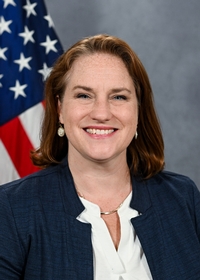
Rep. Heather Boyd
Sponsored bills
Maddy summaryThis bill designates March 26, 2026, as "Bangladesh Day" in Pennsylvania to honor the country's independence and recognize the contributions of Bangladeshi Pennsylvanians. The resolution includes background information on Bangladesh's history, including its formation from East Pakistan and the 1971 Liberation War. It specifically acknowledges the Bangladeshi American Community of Pennsylvania in Montgomery County and its efforts to celebrate cultural heritage and foster community cooperation. The measure is a commemorative resolution with no operational changes or direct policy impacts on government functions.
Maddy summaryThis bill amends Pennsylvania's Tax Reform Code to increase personal income tax rates for taxable years beginning after December 31, 2025. It raises the tax rate for residents and nonresidents from 3.7% to 9.7% on all income, while maintaining a 3.7% rate for specific income categories. The legislation also clarifies how trust income is taxed by aligning Pennsylvania rules with federal Internal Revenue Code provisions regarding grantor trusts.
Maddy summaryThis bill updates Pennsylvania's Public School Code to require that every school building attended by students be assigned at least one school nurse, reducing the maximum number of students per nurse from 1,500 to 750. It also adjusts state reimbursement rates for school health services, increasing the per-student funding amount for the 2026-2027 school year and beyond. Additionally, the bill mandates that the Department of Health use up to $3 million in grants to provide feminine hygiene products to students at no cost to school entities, with grant amounts proportional to student enrollment. These changes directly affect school districts, the Department of Health, and students across Pennsylvania's public school system.
Maddy summaryThis resolution designates March 2026 as "National Social Work Month" in Pennsylvania. It symbolically recognizes the contributions of social workers who support vulnerable populations, address mental health needs, and advocate for policies like minimum wage and poverty reduction. The resolution has no binding effect - it encourages Pennsylvanians to join the National Association of Social Workers in celebrating the profession during that month. It does not create new policies, allocate funding, or directly affect any specific group.
Maddy summaryHB 300 amends Pennsylvania's Human Relations Act to add explicit protections for religious exercise alongside existing anti-discrimination rules. It directly affects employers, housing providers, and businesses offering public accommodations by prohibiting discrimination based on religion in employment, housing, and public services. The bill updates the law to include religious freedom as a protected category under anti-discrimination provisions. It also clarifies the Pennsylvania Human Relations Commission's authority to enforce these protections. The amendment does not create new enforcement mechanisms but integrates religious exercise protections into the existing framework of the 1955 Act.
Maddy summaryHB 501 amends Pennsylvania's Alternative Energy Portfolio Standards Act to update definitions and clarify requirements for renewable energy compliance. It specifically adds "advanced reactor" (including small modular reactors) to eligible energy sources, refines criteria for low-impact hydropower, and updates definitions for biomass, biogas, and alternative energy credits. The bill affects electric utilities required to meet portfolio standards by specifying which energy sources count toward compliance and how credits are calculated. These changes aim to modernize the framework for renewable energy reporting and incentives without altering current percentage targets. The bill is currently in committee review (Environmental & Natural Resource Protection).
Maddy summaryThis bill amends Pennsylvania's vehicle laws to exempt individuals aged 65 or older from identification card renewal fees if they have surrendered their driver's license due to a diagnosed physical or mental condition. The exemption applies specifically to those who surrender their licenses based on a health care provider's diagnosis, and the department may request proof of this medical documentation. The change aims to reduce financial burdens on seniors who can no longer drive for health reasons. The legislation would become effective 60 days after passage.
Maddy summaryHB 2147 updates Pennsylvania's Liquor Code to allow distilleries established before January 1, 1885, to obtain a "distillery of historical significance" license. This license permits these historic operations to manufacture and sell liquor to the Pennsylvania Liquor Control Board, licensed entities, and the public, without the previous 20,000-gallon annual production limit. Distilleries can exchange their existing distillery licenses for this new license without paying a fee, while maintaining all rights under a standard distillery license. The bill removes the requirement for continuous operation since 1885 to qualify, making it easier for historic distilleries to retain or convert their licenses.
Maddy summaryHB 2175 requires businesses using AI chatbots to clearly disclose when consumers are interacting with artificial intelligence, especially for mental health support (e.g., chatbots claiming to treat anxiety or depression). It prohibits deceptive advertising, mandates protection of personal data shared with these tools, and gives Pennsylvania’s Attorney General’s Bureau of Consumer Protection authority to enforce these rules and impose penalties. The law directly affects companies offering AI chatbots that provide health-related advice to Pennsylvania residents. It does not cover scripted tools (like guided meditation) or AI that simply connects users with human professionals.