

Maddy summaryThis bill would create a state-funded paid family and medical leave program for eligible workers needing time off for health issues, childbirth, or family care. It establishes a dedicated state fund to cover leave costs, creates an advisory board to guide implementation, and assigns oversight to the Department of Labor. The program would directly affect employees in the state who qualify for these leave types, requiring employers to provide the benefits. The bill also specifies penalties for businesses failing to comply with the new requirements.
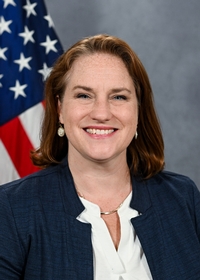
Rep. Heather Boyd
Sponsored bills
Maddy summaryHB 1834 requires commercial data centers in Pennsylvania to pay fees to the state. These fees fund a new Data Center LIHEAP Enhancement Fund, which boosts assistance for low-income households struggling with energy costs. The bill also mandates that data centers meet specific renewable energy targets and allows them to recover certain operational costs through regulated rates. The Pennsylvania Public Utility Commission (PUC) and Department of Human Services are tasked with implementing these requirements and managing the fund.
Maddy summaryThis bill amends Pennsylvania's Election Code to change the deadline for receiving absentee and mail-in ballots from election day to the seventh day following the election. It allows voters who declare under penalty of perjury that their ballot was timely submitted to have their ballots counted even if they lack a postmark or have an unreadable one. The changes apply to both traditional absentee voters and new mail-in voters, ensuring ballots received by the extended deadline are processed and counted. The legislation would take effect 60 days after passage.
Maddy summaryThis bill creates a tax credit for Pennsylvania educators who purchase instructional materials or supplies for classroom use. Professional employees in public, charter, cyber, and nonpublic schools can claim a credit equal to the amount they spent on qualifying expenses, up to a maximum of $500 per year. The Department of Revenue will establish rules to determine which expenses qualify and must publish guidelines online while submitting annual reports on program usage. The credit applies to tax years beginning on or after January 1, 2025, and cannot be carried forward, carried back, sold, or assigned.
Maddy summaryThis bill is a House Resolution that designates May 8, 2026, as Child Care Provider Appreciation Day in Pennsylvania to honor the work of child care providers. The resolution does not create new laws or change any policies; it is a symbolic gesture to recognize and thank caregivers, teachers, nannies, and daycare workers who support children and families. The bill is sponsored by multiple representatives and referred to the Committee on Children and Youth for consideration. It aligns with a national tradition of celebrating child care workers annually in May.
Maddy summaryHB 1260 would allow businesses owning warehouses or distribution centers to install solar energy systems by providing tax exemptions for "solar-ready" projects. It directly affects commercial property owners in the state by reducing their tax burden for qualifying solar installations. Key provisions include authorizing special tax breaks, requiring the Department of Environmental Protection to establish guidelines for these projects, and imposing fines for non-compliance with solar-ready construction standards. The bill aims to incentivize renewable energy adoption in large commercial facilities through concrete tax policy changes.
Maddy summaryThis joint resolution proposes a constitutional amendment in Pennsylvania regarding exemptions and special provisions, but the specific exemptions or provisions it would change are not detailed in the provided information. As a constitutional amendment, it would require approval by the state legislature and potentially a statewide vote, affecting Pennsylvania's constitutional framework. The bill is currently active (removed from the table on 2025-11-19) but remains in early procedural stages with no substantive content described. Since it is a procedural constitutional proposal without defined policy changes in the context, a detailed summary of its impact cannot be provided.
Maddy summaryThis bill would repeal Pennsylvania laws that require relatives to financially support indigent family members, including spouses, children, and parents. The change would remove the legal obligation for these relatives to provide financial assistance regardless of their own financial situation. By eliminating these provisions, the bill aims to reduce the financial burden on family members who might otherwise be held liable for supporting indigent relatives. The repeal would take effect 60 days after the bill is enacted.
Maddy summaryThis bill updates Pennsylvania's military educational assistance program by clarifying eligibility requirements and service obligations for National Guard and reserve component members. It establishes that eligible members must sign a promissory note agreeing to repay grant funds if they fail to complete their required service commitment, which ranges from six years for National Guard members to eight years for federal reserve members. The legislation also allows for successive grant certificates upon completing initial obligations and permits members who receive other-than-dishonorable discharges to retain a proportional share of earned benefits if they meet specific conditions. These changes apply to members of the Pennsylvania National Guard and reserve components of the U.S. Armed Forces seeking educational assistance through the state program.
Maddy summaryThis Pennsylvania bill, known as the Ghost Job Postings Prevention Act, requires employers with 50 or more employees to include specific details in public job postings and prohibits keeping filled positions open indefinitely. Key provisions mandate that job ads disclose whether the role is existing or anticipated, provide salary ranges and funding status, state how long the posting will remain active, and inform applicants about AI use in hiring decisions. Employers must also remove filled job postings within two weeks, notify job boards of closures, and send status updates to applicants within set timeframes after interviews. Violations could result in fines ranging from $1,000 to $5,000 per violation, with higher penalties up to $25,000 per applicant for data mining or selling applicant information.