

Maddy summaryThis bill directs the Department of Human Services to create a plan for maternal home visiting programs that are voluntary and subject to available funding. The legislation removes language mandating universal access and eliminates references to impact bonds, instead focusing on assessing the potential to expand these services. It also requires the department to submit an annual report to the General Assembly by December 31 of each year, which must include recommendations for future legislative action.
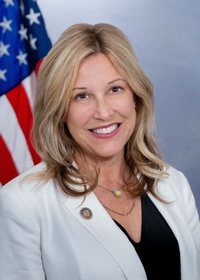
Rep. Melissa Shusterman
Sponsored bills
Maddy summaryThis bill updates Pennsylvania laws to clarify how medical records can be obtained and the fees associated with them. It directly affects patients, their attorneys, and healthcare providers by setting specific prices for copying and retrieving medical charts. Under the new rules, patients and their representatives can access their own records without needing a subpoena, while other parties must pay a set fee for search, retrieval, and copying services. The act also establishes different rates for paper copies versus electronic records and requires these fees to be adjusted annually based on inflation.
Maddy summaryThis Pennsylvania bill establishes a new program to manage the collection and recycling of portable batteries, directly affecting manufacturers and retailers who sell these products in the state. It requires producers to create Battery Stewardship Plans that outline how they will collect used batteries, fund recycling efforts, and educate the public on proper disposal methods. The legislation defines specific battery types that must be included in the program, such as small rechargeable and primary batteries, while excluding larger batteries used in electric vehicles or solar power systems. Additionally, the bill mandates that the Department of Environmental Protection oversee the program, enforce performance standards, and impose penalties on those who fail to comply with the new rules.
Maddy summaryThis bill amends the Administrative Code to update definitions and powers for Pennsylvania's Energy Development Authority. It clarifies what counts as a "project" and "cost" for energy initiatives, specifically including expenses for energy audits, environmental surveys, and infrastructure resilience. The legislation also changes how the Authority's board is structured, reducing the number of governor-appointed members from nine to five and adjusting the voting requirements for board decisions. These changes aim to streamline the Authority's governance while expanding its scope to support various energy-related activities.
Maddy summaryThis bill creates the Keystone Fresh Program to increase the amount of locally grown food served in Pennsylvania school meals. It establishes a grant system administered by the Departments of Education and Agriculture to reimburse school districts for purchasing local fruits, vegetables, grains, and other minimally processed foods. The program prioritizes funding for schools that source from veteran farmers, socially disadvantaged groups, new farmers, or those using sustainable agriculture techniques. A separate fund is also created to support the administration of these initiatives, aiming to improve child nutrition and provide economic benefits to local producers.
Maddy summaryThis bill amends Pennsylvania's Election Code to regulate political spending by corporations, specifically targeting those with significant foreign ownership or influence. It defines a "foreign-influenced corporation" as one where a single foreign investor owns at least 1% of equity, multiple foreign investors collectively own 5% or more, or a foreign entity participates in political decision-making. Under the new rules, these specific corporations are prohibited from making any contributions or expenditures to support or oppose candidates, ballot measures, or political parties. To ensure compliance, any corporation making a political contribution must certify within seven days that it does not meet the foreign-influenced criteria, with penalties including fines up to $10,000 for individuals who violate these restrictions. The law explicitly excludes domestic corporations from these restrictions and does not limit news media reporting or editorial content.
Maddy summaryThis bill amends Pennsylvania's Human Services Code to update how medical assistance is handled for individuals who are incarcerated. It requires the state to temporarily suspend health coverage when a recipient is sent to a correctional facility and to automatically restore it upon their release, provided they still meet standard eligibility rules. Starting in January 2026, the law allows counties to voluntarily join a new reentry program that offers substance use disorder treatment before release and a 30-day medication supply after release. Counties must formally apply and demonstrate the capacity to support these services before participating, while the state department retains the authority to approve or deny requests based on program readiness.
Maddy summaryThis bill establishes an independent Office of Child Advocate within Pennsylvania's Human Services Code to protect the interests of children. The Governor will appoint a Child Advocate who must have at least six years of relevant experience and a bachelor's degree, and the office will operate independently of the department regarding decision-making. The Advocate and their staff are required to complete specific trainings on topics like trauma-informed care and crisis intervention, and they are designated as mandated reporters for suspected child abuse. Additionally, the bill defines the scope of child health, safety, and well-being programs, which include preventing abuse, providing foster care, and offering early intervention services.
Maddy summaryHB 2492 amends Pennsylvania's Election Code to clarify how county boards of elections manage their operations and handle election results. The bill requires county commissioners to provide suitable offices for these boards and mandates that primary and general election expenses be paid by the county. It also establishes specific procedures for counting votes, including public notice of meeting times and places, the preparation of official forms, and the requirement that all assistants be sworn in before performing their duties. Finally, the legislation sets a timeline for completing vote counts, requiring boards to begin the process by 9 a.m. on the third day after an election and continue until finished.
Maddy summaryThis bill requires Pennsylvania colleges and universities to clearly explain all mandatory fees students must pay, such as enrollment or incidental charges. Institutions must list these fees, along with their purpose and how the money will be spent, on their public websites and student portals before the fees are charged. Additionally, schools must report the total amount collected and how those funds were used to the state Department of Education by November 15 each year. The law applies to both public state schools and private accredited institutions operating in Pennsylvania.