

Maddy summaryThis bill amends Pennsylvania's Human Services Code to improve child welfare services and ensure they are available to all children regardless of their background. It requires the state department to conduct a triennial inventory of delinquency programs across the state and clearly defines the law's purpose as protecting children, preserving families, and prioritizing in-home care over institutional placements. The legislation also outlines specific payment percentages to counties for various services and mandates that the department refuse or revoke licenses for facilities that fail to meet safe and humane standards.
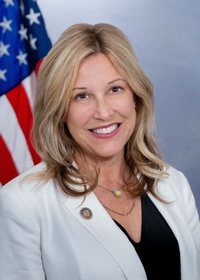
Rep. Melissa Shusterman
Sponsored bills
Maddy summaryThis bill creates a three-year pilot program in Pennsylvania to raise salaries for pre-kindergarten teachers to match those of elementary school teachers with similar skills. The Department of Education will select participating programs based on poverty levels, compare teacher qualifications, and use a specific formula to calculate the necessary salary increase. Funding for these raises will come from federal, state, private, or other non-state sources, with strict rules requiring that all money be used solely for teacher pay. The program will also collect data and submit a report to the General Assembly after one year to evaluate its success and suggest future improvements.
Maddy summaryThis bill establishes a three-year pilot program in Pennsylvania to provide salary supplements to Head Start teachers, aiming to align their pay with that of elementary school teachers who have comparable skills and experience. The program would target school districts with at least 20% poverty rates or independent Head Start programs located in census tracts with poverty levels at or below 80% of the statewide median. Under the plan, the Department of Education would calculate the salary difference for participating teachers and provide funding to close that gap, while strictly monitoring that all funds are used solely for salary increases. The bill also requires the department to submit an annual report to the General Assembly detailing the program's implementation, results, and recommendations for future changes.
Maddy summaryThis Pennsylvania bill creates a new Employee Misclassification Working Group to coordinate efforts among state agencies in identifying and addressing cases where workers are incorrectly classified as independent contractors rather than employees. The legislation mandates that the Department of Revenue share tax information with specific labor and unemployment offices to help investigate these misclassification issues and requires the use of federal identification numbers to streamline data matching. The working group itself will be led by a representative from the Department of Labor and Industry and will include members from the Department of Revenue and the Office of Attorney General, with optional participation from local prosecutors and labor enforcement officers. Meetings of the group are required to occur at least every three months to develop and oversee enforcement strategies.
Maddy summaryThis bill proposes a constitutional amendment to prevent local taxing authorities in Pennsylvania from raising their property tax millage rates to fund special real property tax provisions. The change directly affects local governments and property owners by restricting how these entities can adjust tax rates for specific property-related programs. By inserting a new clause into the existing text, the legislation ensures that any special tax provisions cannot be financed through an increase in the standard property tax rate. This measure aims to limit the ability of local officials to modify tax structures for these specific purposes without additional legislative approval.
Maddy summaryHB 155 amends the Pennsylvania Health Care Facilities Act to update licensing requirements and strengthen consumer protections for residents of health care facilities. The bill includes a specific change to strike the phrase "or other" from the text, which alters how certain regulatory language is applied within the law. By modifying the existing statute and abrogating a specific regulation, the legislation aims to refine the legal framework governing health care facility operations. This measure directly impacts health care providers and facility administrators who must comply with the revised licensing standards.
Maddy summaryThis bill amends Pennsylvania's Cosmetology Law to explicitly include natural hair braiders in its licensing requirements. It mandates that individuals performing natural hair braiding must obtain a cosmetology license and work only in licensed salons, while also prohibiting the rental of booths within those establishments. The legislation clarifies that these rules apply solely to those whose business is dedicated to braiding and does not affect emergency services, medical professionals, or licensed barbers. Additionally, the bill establishes specific eligibility criteria for taking the required examination and outlines the fees and renewal processes for these new licenses.
Maddy summaryThis bill requires healthcare providers, including physicians and midwives, to offer pregnant and postpartum patients a standardized screening tool for mood and anxiety disorders in their primary language. It mandates that providers share information about available support resources with patients and, with consent, with their accompanying individuals or designated contacts. The legislation also directs the Department of Health to create a public awareness campaign about perinatal mental health and to maintain an updated list of counseling and assistance services.
Maddy summaryThis bill establishes a two-year pilot program in Pennsylvania to provide remote health monitoring for pregnant individuals with Medicaid who live in areas lacking adequate maternity care. The program would allow eligible participants to use FDA-approved devices at home to track conditions like high blood pressure and diabetes, as well as to monitor fetal heart rates, with data securely sent to their doctors for review. To operate, the state Department of Health would select a managed care organization to administer the initiative and a technology vendor to supply the necessary equipment. The pilot is limited to specific counties identified as having limited access to obstetric services and includes a requirement that the Department submit a report on the program's results before it expires.
Maddy summaryThis bill amends the Osteopathic Medical Practice Act to change the term "registered" to "licensed" in specific sections of the law. The change directly affects the official title and terminology used to describe osteopathic physicians within the state's regulatory framework. By updating the language, the legislation ensures consistency in how medical professionals are identified in legal documents. The bill does not alter the actual requirements for practicing medicine, only the wording used in the statute.