

Maddy summaryThis bill updates Pennsylvania's Public School Code to require schools to notify parents when a student is diagnosed with type 1 diabetes. It mandates that schools provide education about the condition and ensures parents are informed of any medical treatments or care plans involving their child. The legislation also clarifies that these requirements apply to both public and nonpublic schools, including those that operate health units. By making these changes, the law aims to improve communication between schools and families regarding diabetes management.
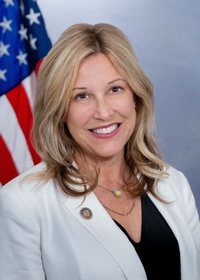
Rep. Melissa Shusterman
Sponsored bills
Maddy summaryThis bill expands the ability for various organizations in Pennsylvania, such as colleges, sports leagues, restaurants, and law enforcement agencies, to legally obtain and use epinephrine auto-injectors for people experiencing severe allergic reactions. It allows health care providers to prescribe these devices to these entities and designates specific staff members who have completed required training to store and administer them. The legislation also provides legal protection from liability for these organizations and trained individuals who use the devices in good faith, while clarifying that administering the medication does not constitute the practice of medicine. Additionally, the bill mandates that day-care facilities provide informational materials to parents about allergy symptoms and the new rules regarding auto-injectors.
Maddy summaryThis Pennsylvania bill establishes new pension benefits for retired public employees starting in 2025. It provides an additional monthly payment to eligible retirees from state education and government systems who retired before 2001, with the amount calculated as a percentage of their July 2025 annuity based on their original retirement date. The legislation also creates a special one-time adjustment for retired municipal police officers and firefighters, ensuring these groups receive increased benefits. Funding for these new payments will be spread over ten years beginning in 2025, and the benefits are not available to survivors of members who died before that date.
Maddy summaryThis bill updates Pennsylvania's consumer protection laws to strictly regulate automatic renewal clauses and negative option plans in consumer transactions. It requires sellers to clearly disclose renewal terms in bold, twelve-point text and mandates that consumers receive advance notice via their chosen communication method before any charges are applied. Additionally, the law prohibits charging a customer's financial account unless the seller obtains explicit, affirmative consent for the renewal, while also setting limits on the length of introductory trial periods. These changes directly affect businesses offering subscription services and consumers who sign up for recurring payments, aiming to increase transparency and prevent unauthorized charges.
Maddy summaryThis bill creates the Returning Heroes Supplemental Tax Credit Program in Pennsylvania to provide additional state tax credits to businesses that hire qualified veterans. To qualify, a taxpayer must receive a federal Work Opportunity Tax Credit for a veteran and submit an application with proof by September 15 of the relevant year. Eligible businesses can receive a supplemental credit of up to $2,000 per veteran, which can be carried forward for up to 15 years if not fully used in the current tax year. The program is limited to a total of $20,000,000 per fiscal year and is allocated on a first-come, first-served basis. Additionally, the bill requires the Department of Revenue to publish an annual report listing all businesses that received these credits and the amounts approved.
Maddy summaryThis bill requires Pennsylvania school districts to set the same starting salary for teachers who hold the same certification, grade span, and class and step for the 2025-2026 school year and all future years. By mandating uniform starting pay across districts for equivalent positions, the legislation aims to standardize compensation for new educators statewide. The law applies to all public school districts and takes effect 60 days after passage.
Maddy summaryThis bill creates a pilot program to provide extra pay to child-care workers in Pennsylvania who care for infants and toddlers under the age of four. The goal is to help these centers retain staff by making their salaries more competitive with those of pre-kindergarten teachers. The Department of Public Welfare will set the specific pay amounts, which can vary by county and depend on the worker's education level, while ensuring the extra money is used only to increase wages rather than replace existing funds. The program is scheduled to run for three school years, after which the department will report results to the General Assembly to decide if it should continue.
Maddy summaryThis bill creates a competitive grant program to help nonprofit early childhood education groups and public school districts start or expand child care centers in rural Pennsylvania counties with low population density. The funding can be used for buying land, building or renovating facilities, and paying staff salaries for two years to ensure fair wages for teachers and child development associates. To receive the money, applicants must partner with a local business that agrees to cover part of the child care fees for its employees after the grant period ends.
Maddy summaryThis bill creates a new tuition assistance program in Pennsylvania to help current early childhood educators earn associate degrees or certifications. To qualify, applicants must work at least 25 hours per week in an approved early childhood program, have a household income at or below 400% of the federal poverty level, and commit to working in the state for two years after finishing their studies. The program provides grants that cover the cost of attendance minus any other financial aid received, paid in two installments per semester. Funding for the program comes from an annual state appropriation, federal money, and other grants, with the Pennsylvania Higher Education Assistance Agency responsible for administering it and reporting on student outcomes.
Maddy summaryThis bill requires Pennsylvania schools to offer a voluntary, free online training course for teachers and staff focused on student identity and cultural awareness. The program aims to help educators teach students about their unique backgrounds, religious freedom, and how to navigate cultural differences while rejecting biases. Additionally, the legislation mandates that school curricula include instruction on the Holocaust, genocide, and human rights violations. The Department of Education must develop these materials, submit annual progress reports to state lawmakers, and review the content every two years to ensure best practices.