

Maddy summaryThis bill is a symbolic resolution recognizing April 11, 2025, as "Black Doula Day" in Pennsylvania. It acknowledges Black doulas' role in improving maternal and infant health outcomes during pregnancy, birth, and postpartum care, including reducing C-sections and postpartum blues. The resolution does not create new laws or policies but formally honors this observance, aligning with International Day for Maternal Health and Rights. It directly affects Pennsylvania residents by designating a day for community recognition of Black doulas' contributions to maternal health. As a procedural resolution, it has no binding effect on legislation or funding.
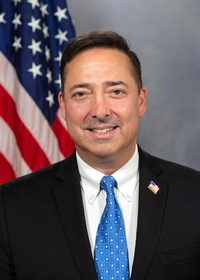
Rep. Chris Pielli
Sponsored bills
Maddy summaryHB 1179, the Genetic Materials Privacy and Compensation Act, requires genetic testing entities (including medical facilities, genealogy services, and law enforcement) to clearly disclose to individuals what genetic data they collect, how it may be used, and with which third parties it will be shared. The bill mandates "prominent disclosure" in plain language before data collection, prohibiting misleading claims about data privacy or usage. It specifically requires testing entities to obtain explicit consent before sharing genetic material with third parties. The law directly affects individuals using genetic tests and the companies providing those services, focusing on transparency rather than compensation mechanisms.
Maddy summaryHB 32 amends Pennsylvania's Taxpayer Relief Act to clarify income definitions for senior citizens' property tax and rent rebate programs. It specifically adds a temporary exception: seniors who were already eligible for rebates as of December 31, 2012, may retain eligibility if their household income limit is exceeded solely due to Social Security cost-of-living adjustments (COLAs). This exception applies only to income increases from Social Security COLAs, not other income sources, and expires on December 31, 2016. The change directly affects seniors whose rebate eligibility was previously jeopardized by automatic Social Security payment increases.
Maddy summaryHB 1187 amends Pennsylvania's Air Pollution Control Act to require major facilities (as defined in state code) to create and maintain municipal notification plans. These plans must alert nearby municipalities within 12 hours of air pollution incidents posing health risks, including communication methods, public safety measures, and annual updates. The bill also increases civil penalties for violations, raising daily fines to $37,500 after the fifth year of implementation based on factors like severity and environmental damage. This affects industrial facilities and their adjacent communities by mandating faster emergency communication and strengthening enforcement.
Maddy summaryThis bill authorizes Pennsylvania to join the National Popular Vote Interstate Compact, an agreement where participating states award their electoral votes to the candidate who wins the national popular vote. If the compact reaches 270 electoral votes (a majority), Pennsylvania would allocate its electoral votes to the national popular vote winner instead of the candidate who wins Pennsylvania's popular vote. The bill requires Pennsylvania to continue holding its usual statewide popular election for president, but the state's electors would be appointed based on the aggregated national vote totals across all compact states. This change would only take effect once the compact is operational with enough states to control a majority of electoral votes.
Maddy summaryHB 325 amends Pennsylvania's Taxpayer Relief Act to clarify how school districts must present tax relief information to property owners. It adds a definition of "conspicuous" requiring notices to use larger text, contrasting colors, or special formatting that a reasonable person would notice. The bill mandates that school districts include a specific, conspicuous notice with tax bills for homestead and farmstead property owners, explaining that their tax reduction comes from casino gaming revenue (State Gaming Fund) under state law, not from the school district's actions. This affects all Pennsylvania property owners eligible for homestead/farmstead exclusions and the school districts that issue their tax bills, effective for taxable years after December 31, 2025.
Maddy summaryHB 183 amends Pennsylvania's Workers' Compensation Act to increase the maximum compensation period for serious permanent disfigurement of the head, neck, or face from 275 weeks to 400 weeks. It specifically updates Section 306(c)(22) to clarify that disfigurement benefits are paid separately from disability benefits, allowing injured workers to receive both simultaneously. The change applies to injuries sustained on or after the bill's effective date (60 days from enactment), regardless of when the original injury occurred. This directly affects workers who sustain qualifying permanent disfigurement in workplace injuries.
Maddy summaryHB 1163 creates a legal presumption that certain frontline workers contracted infectious diseases (like COVID-19) on the job during a declared public health emergency. It directly affects employees in life-sustaining roles - such as healthcare workers, first responders, grocery staff, food service workers, and public utility employees - who are required to work during emergencies. The bill ensures these workers cannot be forced to use paid leave for illness, automatically qualifies them for unemployment compensation, and makes them eligible for workers' compensation covering all related medical costs. This applies during any Governor-declared emergency for infectious diseases posing significant public health risks.
Maddy summaryHB 1154 requires Pennsylvania's Department of Health to develop and implement a mobile application targeting Medicaid-eligible individuals for pregnancy, prenatal, postpartum, and infant care programs. The app must provide multilingual resources, connect users to state health services, meet clinical standards from major medical organizations, and operate on Android/iOS platforms. The department must select a vendor through competitive bidding within 90 days, paying $10 per user monthly with an annual cap of $500,000. The bill mandates the vendor to report de-identified usage data, including Medicaid eligibility engagement and app interaction metrics, to the department.
Maddy summaryHB 1155 establishes a legal framework for community solar programs in Pennsylvania, allowing multiple subscribers (including renters and low-income households) to share ownership of solar facilities and receive bill credits for the electricity generated. The bill requires electric distribution companies to implement these programs, mandates prevailing wage standards for solar installation workers, and sets protections to ensure subscribers receive guaranteed savings. It directly affects utility companies, community solar organizations, and subscribers - particularly those who cannot install rooftop solar due to housing constraints or income limits. Key provisions include preventing single subscribers from owning over 50% of a facility, requiring at least 50% of capacity to serve small subscriptions (25 kW or less), and ensuring ratepayer costs are managed responsibly.