

Maddy summaryHB 109 creates a new permit review process for specific industrial facilities in Pennsylvania's designated "environmental justice areas" - communities with high pollution burdens and vulnerable populations (low-income, communities of color). It requires the Department of Environmental Protection to consider cumulative environmental and public health impacts when reviewing permits for facilities like large wastewater plants (50,000+ gal/day), major air polluters, waste sites (25+ tons/month), mining operations, and certain landfills. The bill mandates that permits in these areas must address disproportionate environmental impacts, as defined by demographic, economic, health, and environmental data. This directly affects developers and operators of industrial facilities seeking new or expanded permits in designated communities.
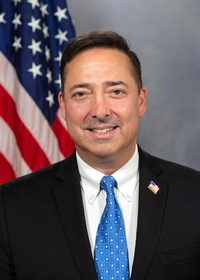
Rep. Chris Pielli
Sponsored bills
Maddy summaryThis bill amends Pennsylvania's vehicle code to strengthen window tinting regulations. It requires vehicles with tinted windows to pass a safety inspection using a tint meter, failing if they violate existing tint limits (67 Pa. Code Ch. 175). Additionally, it prohibits tinting businesses from failing to inform customers that modifications may violate these limits, classifying such omissions as deceptive under consumer protection law. The bill directly affects vehicle owners seeking tinted windows, tinting businesses, and inspection stations. It implements concrete policy changes by integrating tint compliance into safety inspections and enforcing consumer transparency.
Maddy summaryHB 1147 requires builders of new or rehabilitated residential buildings in Pennsylvania to fix significant defects (like water leaks or structural issues) at no cost to purchasers within two years of delivery. Builders must complete repairs within six months of being notified of a defect; if they fail to do so, purchasers can sue in court for 150% of the repair costs. The law applies to buildings delivered within two years of the bill's effective date and excludes cosmetic issues or defects covered by existing warranties. This directly affects homebuyers and builders by creating a clear, time-bound process for addressing construction flaws.
Maddy summaryHB 1149 amends Pennsylvania's Construction Code Act to require residential building inspectors to complete five hours of mandatory continuing education. This training covers identifying faulty construction practices (including stucco installation), builders' legal liability, and homeowner remedies under federal or state law. The bill directly affects residential building inspectors licensed in Pennsylvania, adding this new requirement to their existing certification obligations. The law takes effect 60 days after enactment.
Maddy summaryHB 1151 requires developers in Pennsylvania to mail a plain-language pamphlet called the "Adjacent Neighbors' Bill of Rights" to homeowners living next to construction or development sites when a building permit is applied for. The pamphlet details homeowners' rights regarding property access, engineering surveys (at developer expense), damage claims from excavation, noise ordinances, and legal resources. It also mandates the Department of Labor and Industry to create and post this resource online and distribute it to officials and community groups. The bill directly affects homeowners adjacent to construction projects and takes effect 60 days after enactment.
Maddy summaryThis bill amends Pennsylvania's Home Improvement Consumer Protection Act to clarify who qualifies as an "owner" for registration exemptions and add a new fraud provision. It defines "owner" to include authorized representatives without requiring residency, but requires maintaining ownership for one year after construction to qualify for exemption. The new fraud provision specifically prohibits avoiding contractor licensing by claiming owner status with intent to sell a property without ever residing there. This primarily affects homeowners with multiple properties (limiting "owner" status to primary and recreational residences) and home improvement contractors.
Maddy summaryHB 1146 allows second-class counties in Pennsylvania to generate local funding for public transportation and transportation infrastructure by imposing specific taxes, including on liquor sales, rental vehicles, real estate transfers, income, and vehicle registrations, each with maximum rates defined by existing state law. Revenue from these taxes must be deposited into a restricted county account dedicated exclusively to transportation projects. The bill also establishes administrative procedures for collecting and reporting these taxes, ensuring compliance with state tax codes and enabling counties to implement the funding mechanisms without creating new statewide programs.
Maddy summaryHB 1152 requires insurance companies to directly reimburse non-network emergency medical services (EMS) agencies for 911 emergency calls within 45 days at 350% of the Medicare ambulance rate for the same service in the same area. EMS agencies must register with the state annually to qualify for direct payments, and insurers cannot demand contracts to facilitate this reimbursement. The insurer's payment covers the full service cost (excluding the patient's copay, coinsurance, or deductible), so EMS agencies cannot bill patients for the remaining amount. This law applies only to non-network EMS providers offering 911 emergency medical services, unless preempted by federal law.
Maddy summaryHB 1115 sets limits on the reserve funds that cyber charter schools in Pennsylvania can hold at the end of each school year. Starting with the 2024-2025 school year, these schools must keep general unspent reserves below 8% of total budgeted expenditures, combined funds set aside for specific purposes below 4%, and total reserves below 12%. The bill defines key terms like "funds set aside for specific purposes" to clarify how the limits apply. It directly affects cyber charter schools, which are publicly funded online schools operating under Pennsylvania's charter system.
Maddy summaryHB 1114 prohibits possessing a firearm in any building, property, or parking area of a polling place during an election, with three specific offense types: simple possession, possession with intent to commit a crime, or causing a firearm to be used in a crime. Simple possession is a third-degree misdemeanor, while intent or causing use is a first-degree misdemeanor. Key exceptions include law enforcement officers performing duties, individuals with concealed carry permits (who own the firearm and have a valid license), and military personnel on duty. Polling places must post notices of the law, and failure to post prevents conviction for simple possession or intent offenses. The bill directly affects voters, poll workers, and anyone entering polling areas during elections.