

Maddy summaryHB 1501 would amend Pennsylvania's oil and gas laws to create a Radiation Testing Pilot Program. The bill would establish a voluntary program for testing radiation levels in areas near oil and gas operations, directly affecting communities and landowners in regions with active or former oil and gas activity. Key provisions include requiring participating operators to conduct specific radiation tests and report results to the state, with the program running for a set period to evaluate its effectiveness. The bill is currently referred to the Environmental & Natural Resource Protection committee. (Note: Specific details on testing protocols, duration, or participant requirements are not provided in the given context.)
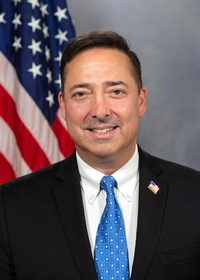
Rep. Chris Pielli
Sponsored bills
Maddy summaryThis bill updates Pennsylvania's pilot program for non-narcotic medication-assisted treatment (MAT) in prisons and parole settings. It removes outdated rules about the program's establishment, clarifies requirements for county participation, and specifies how grant funds can be used for treatment services. The Pennsylvania Commission on Crime and Delinquency gains new duties to oversee the program, and the bill includes administrative updates to the state statutes governing it. The changes directly affect counties administering the pilot program and individuals in prison or parole under the MAT initiative.
Maddy summaryThis bill increases monthly pension payments for two groups of Pennsylvania veterans: 1) Blind veterans (defined as those with 3/60 or 10/200 vision or worse from service-connected injuries) now receive $200/month (up from $150). 2) Amputee/paralyzed veterans (with two limbs at ≥40% disability rating per VA standards) now receive $200/month (up from $150). Eligibility requires Pennsylvania residency at enlistment or current residence, honorable military service, and VA-certified disability. The change takes effect 60 days after enactment.
Maddy summaryHB 79 requires hospitals to establish clear financial assistance programs for patients who cannot afford care, including standardized forms and easily accessible information about eligibility and coverage. It mandates that hospitals publicly share details about their financial aid policies and report their program rules to the Department of Health. These requirements directly affect hospitals operating in the state and patients seeking financial help with medical bills. The bill aims to standardize and increase transparency in hospital financial aid offerings.
Maddy summaryHB 926 requires healthcare facilities to establish violence prevention committees to address workplace violence. These committees must develop safety plans, and facilities must report violent incidents to the Department of Labor and Industry. The Department gains authority to enforce compliance, impose fines, and issue administrative penalties for violations. This bill directly affects hospitals, clinics, and all healthcare workplaces covered under state labor regulations.
Maddy summaryHB 1263 establishes Pennsylvania's Keystone Saves Program, creating a state-run savings initiative for low-to-moderate income residents. The bill sets up a dedicated program fund and administrative fund managed by the Treasury Department, which will handle investments while adhering to fiduciary responsibilities. An advisory board will oversee program implementation and ensure it meets the needs of participants. This program directly affects eligible Pennsylvanians by providing a structured savings option, with the Treasury Department responsible for managing funds and investments.
Maddy summaryHB 393 amends Pennsylvania's Second Class Township Code to increase annual tax limits for fire and ambulance services. It raises the maximum fire tax rate from 3 mills to 10 mills and ambulance tax from 0.5 mills to 5 mills, allowing townships to fund equipment, training, and emergency services. Townships can use up to half the revenue for staff salaries (with board approval) and must seek voter approval if rates exceed these new limits. This directly affects second-class townships needing to finance local fire and ambulance operations under the code.
Maddy summaryHB 140 amends Pennsylvania's Unfair Trade Practices and Consumer Protection Law to add specific definitions related to algorithmic rent-setting software. The bill defines "unfair methods of competition" to include using software that analyzes rental data (like historical prices or occupancy rates) to recommend rent amounts, lease terms, or occupancy levels for residential or commercial properties. Landlords using such software would be directly affected, as its use could now be considered an unfair practice under the law. The definition explicitly excludes aggregated rental reports published monthly and tools used for affordable housing program compliance.
Maddy summaryHB 937 amends Pennsylvania's county statutes to establish specific fee amounts that coroners may charge for death investigation reports. It directly affects county coroners and individuals or entities requiring these official reports, such as families or legal representatives. The bill sets new, fixed fee schedules for coroner reports under Title 16 of the Pennsylvania Consolidated Statutes, replacing prior unspecified or variable fee structures. This change provides clarity on billing for a routine administrative service within county government operations.
Maddy summaryHB 504, the Community Energy Act, establishes a framework for third-party-owned community energy projects (like solar gardens) in Pennsylvania. It requires electric distribution companies to connect these facilities, provides bill credits to subscribers (homeowners, renters, and businesses) for energy generated, and ensures guaranteed savings by linking subscription payments to bill reductions. Key provisions include setting size limits (max 5,000 kW for most facilities), mandating that at least 50% of subscriptions come from small users or farms, and requiring fair wages for construction workers. The bill directly affects electric companies (with new connection duties), community energy organizations (as owners/operators), and subscribers (who gain access to shared renewable energy).