

Maddy summaryHB 1548 authorizes Pennsylvania's State Workers' Insurance Board to sell health insurance policies directly to the general public, not just state workers. The program must include minimum coverage for inpatient/outpatient hospital care, emergency services, preventive care, and basic medical services like doctor visits, physical therapy, and lab tests. The Board may borrow up to 40% of the State Workers' Insurance Fund’s annual balance to cover claims and administrative costs, with premiums partially funding loan repayments. This program will begin on January 1, 2026, offering a new public option for health insurance in Pennsylvania.
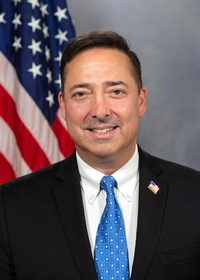
Rep. Chris Pielli
Sponsored bills
Maddy summaryHB 1140 requires health insurers and Medicaid/CHIP managed care plans in Pennsylvania to cover all FDA-approved contraceptives - including prescription drugs, devices, emergency contraception (like levonorgestrel), and oral contraceptives - without any out-of-pocket costs for enrollees. It specifically prohibits prior authorization or step therapy for emergency and oral contraceptives, and mandates coverage for sterilization procedures and related services like counseling. The bill directly affects health insurers, managed care plans, and their enrollees by expanding contraceptive coverage under state insurance regulations. It exempts male condoms from coverage requirements but ensures no cost-sharing for covered contraceptive methods.
Maddy summaryHB 180 replaces Pennsylvania’s existing school lunch and breakfast reimbursement system with a new Universal School Meal Program, ensuring all public school students in the state can receive free meals regardless of family income or unpaid meal debt. The bill requires school districts to provide meals to any student who requests one (unless parents specifically withhold consent in writing) and prohibits schools from stigmatizing students with meal debt through wristbands, public identification, or denying activities like sports or graduation. It bans collecting fees, interest, or using collections agencies for unpaid meal costs, and mandates schools help families apply for assistance instead of pursuing debt. This directly affects over 1.5 million Pennsylvania public school students and their school districts, shifting from a means-tested system to universal access.
Maddy summaryHR 143 is a non-binding resolution designating March 18, 2025, as "Public Defender Day" in Pennsylvania. It symbolically honors public defenders' work but does not create new laws, impose costs, or directly affect any individuals or entities. The resolution was referred to the Judiciary Committee, amended, and ultimately laid on the table (stalled) on May 30, 2025, meaning it did not advance further. This is a ceremonial measure with no substantive policy impact.
Maddy summaryThis bill's title indicates it would amend Pennsylvania's criminal code to establish liability for deploying artificial intelligence systems, but the provided context does not include the bill's specific provisions, definitions, or affected parties (e.g., developers, businesses, or users). Without the full text or detailed description of the liability framework (e.g., negligence standards, specific AI applications covered), key mechanisms cannot be described. The referral to the Judiciary committee on May 30, 2025, shows its current status but does not clarify the policy changes. A complete summary requires additional details beyond the title and referral date.
Maddy summaryHB 1524 amends the Public Transportation Assistance Fund provisions within Pennsylvania's Tax Reform Code of 1971. The bill revises how funds are managed or allocated for public transportation programs, directly affecting state transportation agencies and public transit providers receiving these funds. It modifies specific sections of the existing tax code governing this dedicated fund. The bill was recently referred to the Transportation committee for further consideration. (3 sentences)
Maddy summaryHB 1523 would impose an excise fee on rides provided by transportation network companies (TNCs) like Uber or Lyft in Pennsylvania. The bill amends specific sections of state law related to municipalities, public utilities, and transportation to require this fee to be collected on each ride. The fee would directly affect TNC operators, who would be responsible for paying and collecting it from riders. This policy change creates a new revenue stream for transportation-related funds under the amended statutes.
Maddy summaryThis resolution (HR 241) urges Congress to adopt three specific bills: H.R. 1876 (keeping field offices open), H.R. 1877 (protecting Social Security data), and S. 770 (expanding Social Security). It does not create new laws or affect individuals directly; instead, it is a non-binding request addressed to Congress. The resolution was referred to the Aging & Older Adult Services committee on May 29, 2025, for consideration.
Maddy summaryHB 1519 amends Pennsylvania's 1921 Insurance Company Law to require casualty insurance policies to cover mental illness treatments. This directly affects insurance companies writing casualty policies and policyholders seeking mental health services. The key provision mandates that insurers include mental health coverage in standard casualty policies, aligning it with other health coverage requirements. The bill focuses on expanding access to mental health care by ensuring it is covered under these specific insurance policies.
Maddy summaryHB 1518 amends Pennsylvania's driver licensing laws under Title 75 of the Consolidated Statutes. It focuses on updating procedures for applying for driver's licenses or learner's permits, as well as modifying the content, expiration, and renewal processes for licenses. The bill directly affects Pennsylvania drivers who apply for or renew their licenses. The provided context does not include specific provisions or mechanisms of the bill, only its title and referral to the Transportation committee.