

Maddy summaryHB 880 amends Pennsylvania's Clean Indoor Air Act, which prohibits smoking in most indoor public places. The bill updates existing definitions, signage requirements, and enforcement procedures for venues covered by the law (like restaurants and bars), while maintaining the core smoking prohibition. It makes technical adjustments to the law's structure and language but does not change the fundamental restrictions on smoking in public indoor spaces.
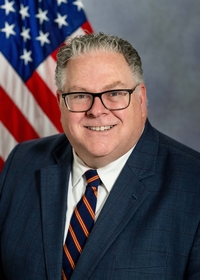
Rep. Tim Briggs
Sponsored bills
Maddy summaryHB 1880 amends Pennsylvania's criminal code to clarify the offense of impersonating a public servant and to create a specific exception for federal immigration officials. The bill states that federal immigration officials do not commit a crime under Pennsylvania law when concealing their identity while performing official immigration enforcement duties. This provision prevents state laws on impersonation and disorderly conduct from being applied to federal officials during such activities. The bill also adds further detail to the impersonation statute to make it clearer for law enforcement.
Maddy summaryHB 783 amends Pennsylvania's consumer protection law to specifically prohibit deceptive environmental marketing claims and misleading "net zero" assertions by businesses. It defines key terms like "paltering" (truthful statements creating false impressions) and "reputational advertising" (highlighting environmental actions without connection to sales), and bans claims that lack clear scope identification, rely excessively on offsets, or lack substantiation. The bill allows consumers to sue for deceptive environmental claims without proving personal financial loss, with potential damages up to three times actual harm plus attorney fees. This directly affects businesses marketing products or services with environmental claims, requiring greater transparency in their advertising, labeling, and promotional materials.
Maddy summaryHB 1852 changes the 1971 Tax Reform Code to redirect revenue from the hotel occupancy tax into a dedicated Tourism Promotion Fund. This affects hotels and tourism businesses that pay the occupancy tax, as their payments will now support marketing efforts. The key provision creates a specific fund to finance advertising, promotions, and initiatives aimed at attracting visitors to the state. The bill directs these funds toward boosting tourism marketing and economic development in the state.
Maddy summaryHB 1829 requires Pennsylvania public schools to disclose information about sports opportunities available to students and to conduct an annual evaluation of these opportunities. The bill amends the Public School Code of 1949 to mandate these requirements for all public school districts in the state. Key provisions include the annual disclosure of details about sports programs (such as team offerings and participation opportunities) and the annual review process to assess accessibility and availability. This policy change would require schools to regularly report on and evaluate their athletic programs.
Maddy summaryHB 1812 amends Pennsylvania's ethics laws to regulate public officials' financial interests in digital assets. It prohibits state officials and their immediate family from holding digital assets (including cryptocurrency, NFTs, and stablecoins) during their term of office or for one year after leaving office, requiring them to divest within 90 days if they hold such assets. Officials must also disclose any digital asset holdings exceeding $1,000 in their annual financial statements. Violating these rules carries a civil penalty of up to $50,000. The bill directly affects Pennsylvania state legislators, executive branch officials, and other public officers covered under Title 65.
Maddy summaryHB 1804 would require the Commonwealth to withhold state payments to the federal government, strengthen claims against federal property, and prohibit sharing personal data with federal agencies. It creates a legal pathway for the Commonwealth to sue the federal government over withheld payments or data misuse. The bill directly affects how the state interacts with federal agencies on financial transactions and data privacy. Key provisions include blocking state funds to the federal government, allowing legal action for property claims, and banning the sharing of personally identifiable information.
Maddy summaryHB 1803 establishes an Advisory Council focused on PANDAS (Pediatric Autoimmune Neuropsychiatric Disorders Associated with Streptococcal Infections) and PANS (Pediatric Acute-onset Neuropsychiatric Syndrome), conditions affecting children's health. The bill defines the council's responsibilities, including providing guidance to state health officials on these conditions. This council will be created within the state government, with members appointed to address medical, research, and support needs. The bill does not amend existing laws but creates a new advisory structure to improve care for children impacted by PANDAS and PANS.
Maddy summaryHB 1697 amends Pennsylvania's Human Services Code to create a state-level False Claims Act, directly affecting healthcare providers, contractors, and organizations receiving state funds (like Medicaid or welfare programs). It makes individuals or entities liable for three times the damages plus penalties if they knowingly submit false claims, make false records, or conceal obligations to the state. The bill establishes "qui tam" lawsuits allowing whistleblowers to sue on behalf of the state and creates a Fraud Prevention and Recovery Account to hold recovered funds. These provisions align Pennsylvania's law with the federal False Claims Act to combat fraud in public spending.
Maddy summaryHB 938 amends the Public School Code of 1949 to update governance rules for the Board of Governors overseeing the State System of Higher Education. It directly affects the board members, public universities, and the administrative structure of the higher education system. The bill modifies provisions related to the board's composition, responsibilities, or operational procedures under the existing code, though specific changes are not detailed in the provided context. The bill passed the legislature on July 14, 2025, and was referred to the Education committee for further action.